 News




Article
Beyond Electric Vehicles: Why India Needs an Integrated Approach to Clean and Sustainable Mobility
Beyond Electric Vehicles: Why India Needs an Integrated Approach to Clean and Sustainable Mobility
![]() By
Samuel Raj 28-November-2026


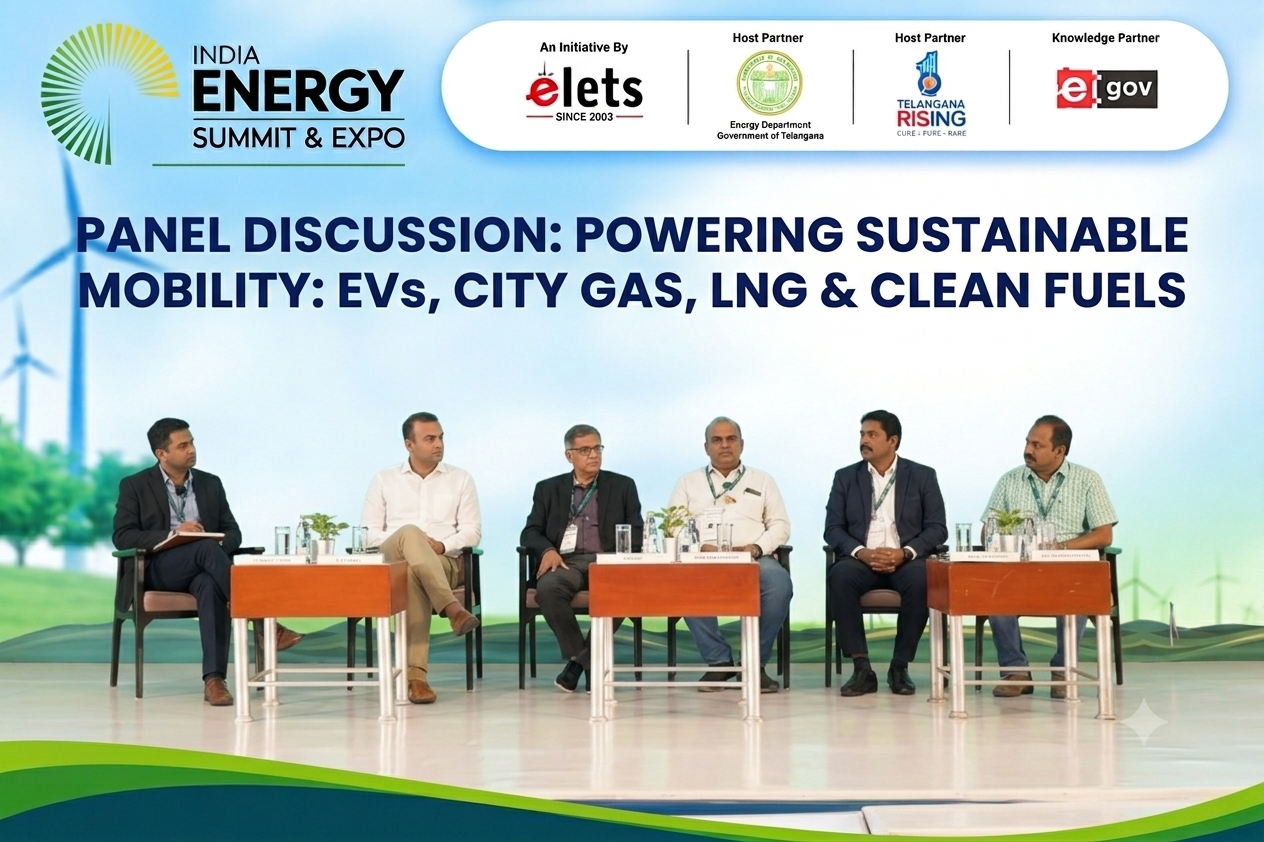
India’s transport sector is at a critical turning point. Rising fuel consumption, urban air pollution, dependence on imported energy and the growing effects of climate change are creating an urgent need to rethink how people and goods move across the country. Electric vehicles (EVs) are gaining momentum, but the transition to sustainable mobility cannot depend on electrification alone. It requires a broader strategy encompassing public transport, charging infrastructure, compressed biogas (CBG), cleaner gaseous fuels, battery swapping, freight electrification and policies that make clean mobility accessible to every section of society.
The central question is no longer whether India should adopt cleaner transportation but how quickly it can build an ecosystem that makes the shift affordable, reliable and practical. The discussions among policymakers, public-sector energy companies, researchers, transport operators and workers in Telangana highlighted an important principle: the future of sustainable mobility will depend as much on infrastructure, affordability and public transport as on the vehicles themselves.

As India pursues its long-term development ambitions, the transport transition must simultaneously strengthen energy security, improve air quality, reduce emissions and protect the livelihoods of millions who depend on mobility for their income.
Energy Security and Pollution Make Clean Mobility Imperative

India’s transport sector remains heavily dependent on petroleum products. Figures cited during the discussion indicated that the sector consumed approximately 45 million tonnes of petrol and 95 million tonnes of diesel in FY2025–26. Such substantial consumption underscores the challenge of reducing the country’s exposure to imported fuels while meeting the mobility needs of a growing economy.
The implications extend beyond energy security. Vehicle emissions contribute to urban air pollution, affecting public health and quality of life, while transport-related greenhouse gas emissions add to the broader climate challenge. For cities already struggling with poor air quality, cleaner mobility can become an important component of environmental improvement.
However, the transition must recognise that different transport segments have different requirements. Private cars, two-wheelers, buses, taxis, delivery vehicles and heavy-duty freight trucks cannot necessarily follow the same technological pathway or transition at the same pace.
Electric mobility offers significant opportunities, particularly where vehicles travel predictable distances and can access reliable charging. Compressed natural gas (CNG) and compressed biogas can provide alternatives in suitable applications, while public transport can reduce the number of individual vehicles needed to move the same number of people.
The policy objective should therefore be to identify the most effective combination of technologies for each use case rather than assume that a single fuel or powertrain will solve every challenge.
Hyderabad’s EV Push: Charging Must Begin at Home
One of the most important barriers to electric vehicle adoption is the availability of convenient charging infrastructure. Greater Hyderabad Municipal Corporation (GHMC) has been working with Telangana’s renewable energy development agency to expand charging facilities across public spaces, including major parking locations.
During the discussion, the GHMC representative referred to approximately 80 public locations where space had been provided for EV charging infrastructure. However, the broader strategy extends beyond public charging stations. The municipal corporation is also focusing on making residential buildings, apartment complexes, villas and commercial properties EV-ready.
This approach recognises a practical reality: for many private EV owners, the most convenient and economical place to charge a vehicle is at home. If residents can install charging equipment in their parking spaces without excessive procedural or infrastructure barriers, owning an EV becomes more attractive.
The same principle applies to commercial buildings and residential communities. Incorporating charging facilities into building planning and parking arrangements can prevent infrastructure gaps from emerging as EV adoption accelerates.
GHMC’s representative said the corporation was increasingly insisting on EV charging provisions in parking facilities as part of the building approval and occupancy process. The approach points towards a shift from treating charging as an optional addition to making it a planned component of urban infrastructure.
The representative also cited EV sales figures suggesting that Telangana’s monthly electric-car sales share had reached approximately 12%, rising to 15% in August 2025, while electric two-wheelers had crossed 13%. These figures were presented during the discussion and reflect the momentum described by the panel.
Yet charging infrastructure must be more than available on paper. An audience member raised concerns about poorly maintained public charging stations, equipment theft, missing connectors and non-functional facilities. These problems reveal a crucial weakness in infrastructure planning: installing equipment is only the first step; maintaining it is equally important.
GHMC acknowledged these challenges and described plans to explore smart parking models involving private vendors who could install and maintain charging facilities at public locations.
Such public-private arrangements could improve accountability, provided contracts clearly establish responsibilities for maintenance, equipment security, uptime and customer service. The success of EV infrastructure will ultimately be measured not by the number of stations installed but by how reliably drivers can use them.
Oil Marketing Companies Are Becoming Energy-Service Providers
The changing role of oil marketing companies offers another indication of how the mobility ecosystem is evolving. Indian Oil Corporation Limited (IOCL), traditionally associated with petrol and diesel retailing, is expanding its presence in EV charging, battery swapping and city gas distribution.
According to its representative, IOCL had approximately 14,000 EV charging stations across India and planned to add another 5,000. In Telangana, the company operated roughly 1,700 retail outlets, of which more than 500 reportedly had EV charging facilities.
The company was also expanding battery-swapping infrastructure, particularly in the Greater Hyderabad area. Its representative referred to approximately 18 existing swapping stations and plans to add another 37.
Battery swapping can be particularly useful for commercial vehicles that need to minimise downtime. Delivery riders, gig workers and fleet operators cannot always afford to wait for batteries to recharge, especially when their earnings depend on the number of trips completed. Swapping a depleted battery for a charged one can help vehicles return to service more quickly.
However, battery swapping faces a major structural challenge: the lack of standardisation across battery designs and vehicle models. Different manufacturers may use different battery formats, limiting interoperability and making it harder to build a common swapping network.
This underlines the need for greater coordination among vehicle manufacturers, battery suppliers, charging operators and policymakers. Standardisation, where technically and commercially appropriate, could improve convenience, support infrastructure utilisation and encourage investment.
IOCL’s wider strategy also includes expanding CNG infrastructure and transforming conventional fuel stations into broader energy-service locations. The direction is significant because India’s existing retail fuel network could become an important platform for the transition, supporting multiple technologies rather than remaining dependent on petrol and diesel alone.
Compressed Biogas Can Strengthen Domestic Energy Supply
Electric vehicles are central to the clean mobility conversation, but alternative fuels produced domestically could also contribute to reducing import dependence. Compressed biogas is one such option.
CBG can be produced from organic waste and other suitable biomass feedstocks, processed into a fuel that can substitute for natural gas in appropriate applications. Its potential extends beyond transportation to industrial use and, depending on the application and relevant standards, other energy needs.
A representative of CSIR–Indian Institute of Chemical Technology highlighted the government’s ambition to expand CBG production and blend it into the natural gas supply chain. The discussion referred to plans for establishing thousands of CBG plants and expanding production capacity, supported by financial incentives and purchase arrangements involving oil marketing companies.
The representative also described government support that could reduce the upfront financial burden for eligible projects, including central and state-level incentives. Assured procurement was identified as another important factor in encouraging investment.
These mechanisms address two of the main barriers facing emerging clean-fuel industries: the high initial capital requirement and uncertainty about whether the product will find a buyer.
Nevertheless, the success of CBG will depend on more than subsidies. Projects need reliable access to feedstock, efficient production systems, suitable transport and distribution infrastructure, and viable long-term contracts. Feedstock collection and processing must also be organised carefully to ensure that plants can operate consistently.
CBG’s potential contribution to energy security is nevertheless significant. By converting suitable organic waste into usable fuel, India could develop additional domestic energy resources while supporting waste management and rural economic activity.
The opportunity should be pursued through careful project assessment and realistic production targets, ensuring that investment incentives translate into functioning plants and sustained fuel supply.
Electric Buses Must Become the Backbone of Urban Mobility
Perhaps the most consequential lesson from the discussion was that sustainable mobility cannot be achieved by replacing every conventional private vehicle with an electric one. India must also reduce the number of individual vehicles required to move people.
Public transport is central to this objective. A well-functioning bus network can carry large numbers of passengers while using road space more efficiently than a comparable number of private cars or two-wheelers.
The representative associated with state road transport undertakings described how public bus services gained renewed recognition during the COVID-19 pandemic, when state transport systems helped move essential supplies and migrant workers. The expansion of electric buses has since created another opportunity to strengthen the sector.
India was described during the discussion as having more than 20,000 electric buses on the road, with additional vehicles in the pipeline. The representative also highlighted the potential for the national bus fleet to expand substantially in the coming years.
A key mechanism behind this expansion has been the gross cost contract model, under which private operators procure and maintain buses while state transport undertakings pay for services on a per-kilometre basis. This arrangement can reduce the upfront capital burden on public agencies and transfer some technology and maintenance risks to private operators.
However, the model also creates challenges. State transport undertakings must consider the future roles of their existing employees, including drivers, mechanics and conductors, as service delivery arrangements change. Upskilling and workforce planning are therefore essential to ensure that modernisation does not leave experienced workers behind.
Electric buses also need suitable depots, reliable charging systems and, for longer-distance operations, charging infrastructure along highways. Intercity electrification remains an important opportunity, as do electric trucks serving freight routes.
Investment in high-capacity charging infrastructure could support both electric buses and heavy-duty trucks, creating benefits across passenger and freight transport. Yet the rollout must be coordinated with vehicle deployment, grid capacity and route requirements.
Ultimately, the objective should be to move more people and goods with less energy and fewer emissions, not merely to increase the number of electric vehicles on the road.
A Just Transition Must Protect Gig Workers and Drivers
The shift towards cleaner mobility will only be sustainable if the people who operate the transport system can afford to participate in it.
Gig workers, delivery riders, auto-rickshaw drivers and taxi operators face a distinct set of challenges. Many depend on their vehicles for daily earnings and cannot easily absorb the upfront cost of a new EV, battery replacement or charging equipment. Even when a cleaner vehicle offers lower running costs, financing barriers can prevent workers from making the switch.
The representative of the Telangana Gig and Platform Workers Union called for affordable loans, accessible charging and fuelling infrastructure, and support for retrofitting older vehicles where technically feasible. The union also emphasised the need for fair wages, transparent contracts and consultation between workers, platform companies and governments.
This perspective is essential. A transition that reduces emissions but leaves workers struggling with debt, uncertain earnings or inadequate infrastructure will face legitimate economic and social barriers.
The discussion also referred to a Telangana government initiative to support the retrofitting of approximately 17,000–18,000 auto-rickshaws, including vehicles using LPG or CNG, although the precise scope and implementation details would need to be confirmed.
Retrofitting could offer a pathway for some workers to transition without immediately purchasing entirely new vehicles. However, it must be supported by clear technical standards, safety requirements, financing arrangements and accessible maintenance services.
Governments and platform companies should also explore targeted purchase incentives, low-cost credit and fleet-based transition programmes for workers who use vehicles intensively. Worker representation must form part of policy design rather than being treated as an afterthought.
A clean transport system should improve both environmental outcomes and the conditions of those whose livelihoods depend on mobility.
Beyond Electrification: A Balanced Strategy for 2047
The discussion also raised an important caution against viewing the energy transition as a simple contest between fossil fuels and electrification. India’s energy needs will expand as the economy grows, and different sectors will require different solutions.
Electric mobility can reduce petroleum consumption, particularly when supported by cleaner electricity. CBG and other suitable alternative fuels can contribute to domestic energy supply. Public transport can reduce congestion and improve the efficiency of passenger movement, while cleaner freight technologies can address a major source of diesel demand.
These approaches should not be seen as mutually exclusive. Their relative importance will depend on vehicle type, travel distance, charging access, fuel availability, infrastructure costs and the pace of technological development.
India therefore needs an integrated mobility strategy that connects urban planning, energy policy, industrial development and social protection. Building more charging stations will be insufficient without reliable maintenance. Expanding electric buses will have limited impact without good routes and service frequency. Supporting CBG production will not deliver results unless plants can secure feedstock and buyers. And encouraging workers to adopt cleaner vehicles will fail if financing remains inaccessible.
The policy focus must shift from isolated announcements to implementation, performance and accountability.
Conclusion: Make Clean Mobility Practical, Affordable and Reliable
India’s transport transition is not simply a technological change. It is an opportunity to reshape how cities function, how people access jobs and services, how industries move goods and how the country manages its energy needs.
Telangana’s initiatives in residential charging, IOCL’s expansion into alternative-fuel infrastructure, the potential of compressed biogas, the growth of electric buses and the demands of gig workers illustrate the many dimensions of this transition.
The next phase requires stronger coordination between central and state governments, urban local bodies, energy companies, transport operators, researchers, manufacturers and workers. It also requires policies that reward reliable service, ensure infrastructure maintenance, encourage domestic innovation and make cleaner technologies financially accessible.
The measure of success should not be the number of electric vehicles sold alone but whether India can move people and goods with lower emissions, reduced fuel-import exposure, improved air quality and fairer economic opportunities.
As India works towards its 2047 development ambitions, sustainable mobility must become a practical everyday reality. That will require more than electrifying vehicles. It will require building an integrated transport ecosystem in which clean energy, reliable public transport, alternative fuels and inclusive policies work together to deliver a cleaner and more resilient future.
——————————–
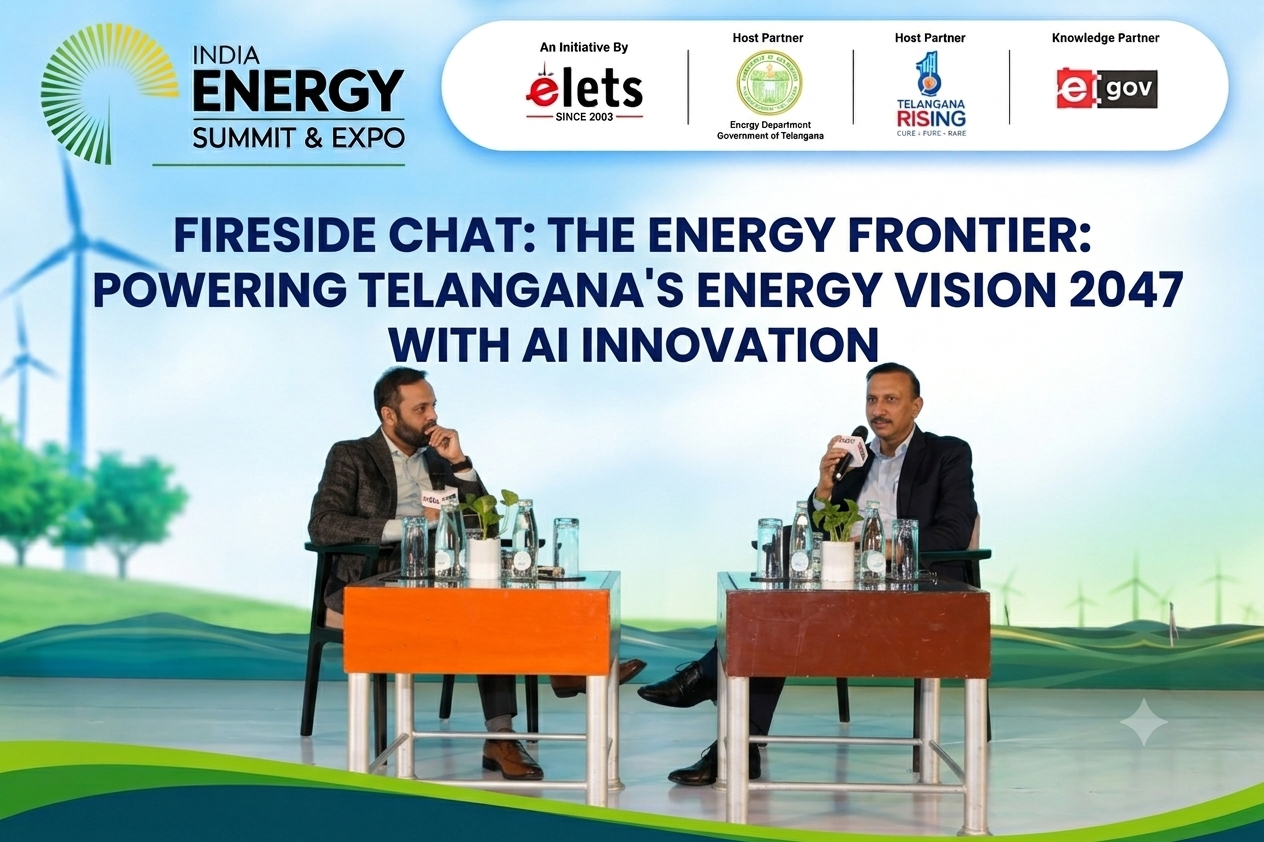
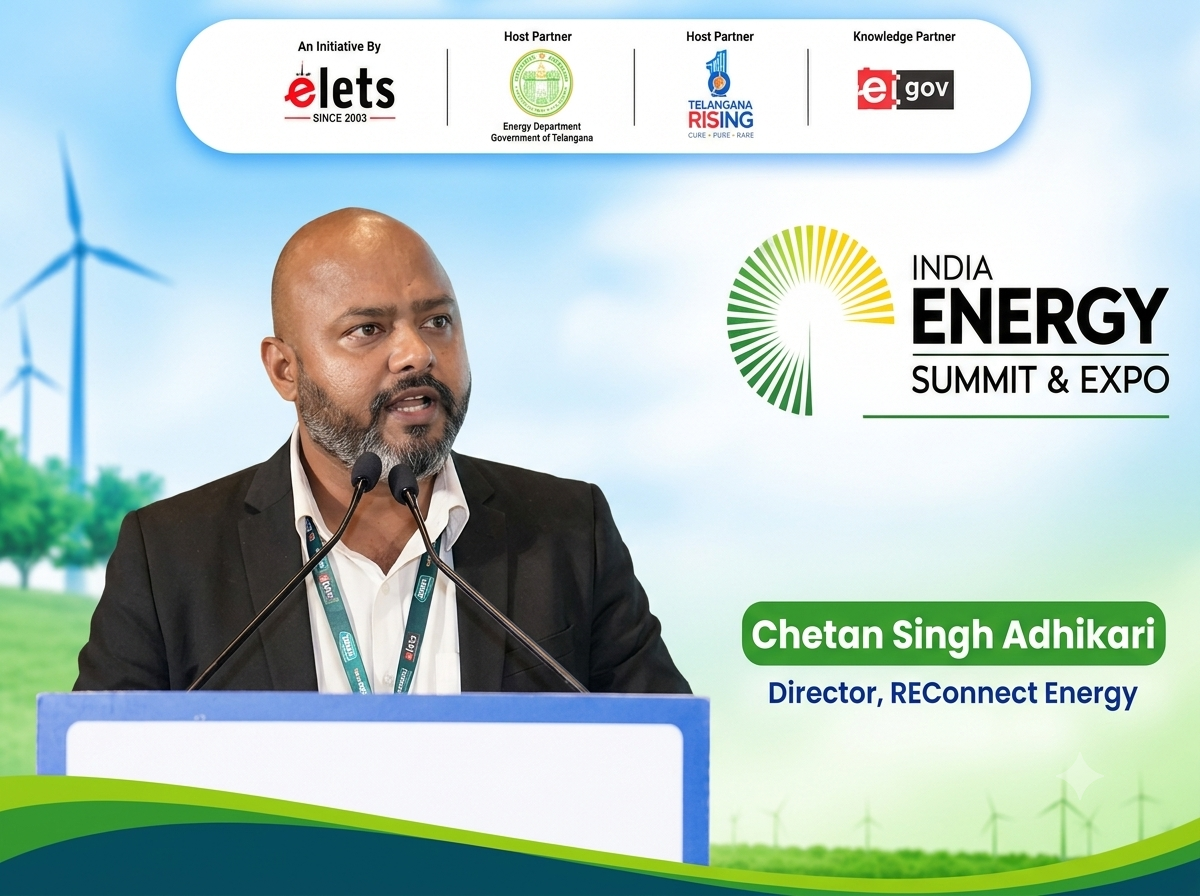
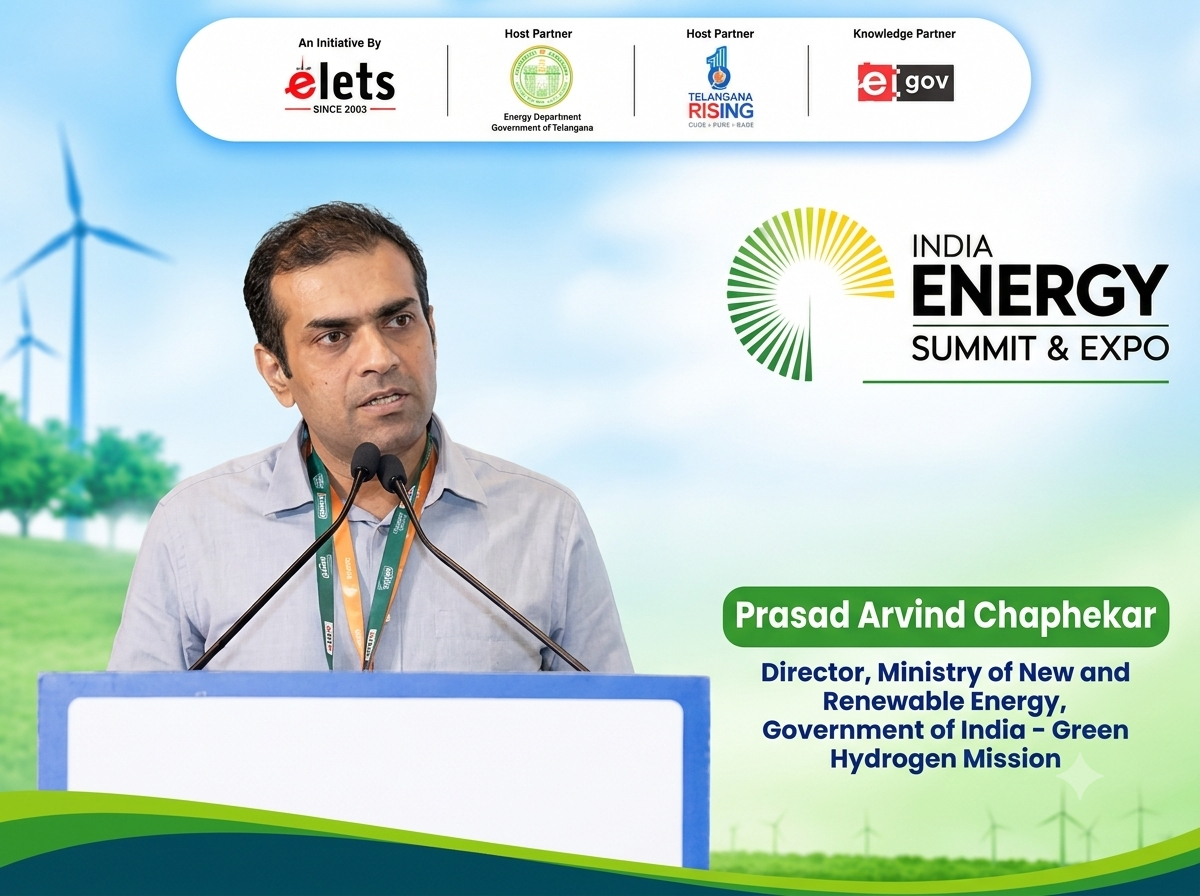
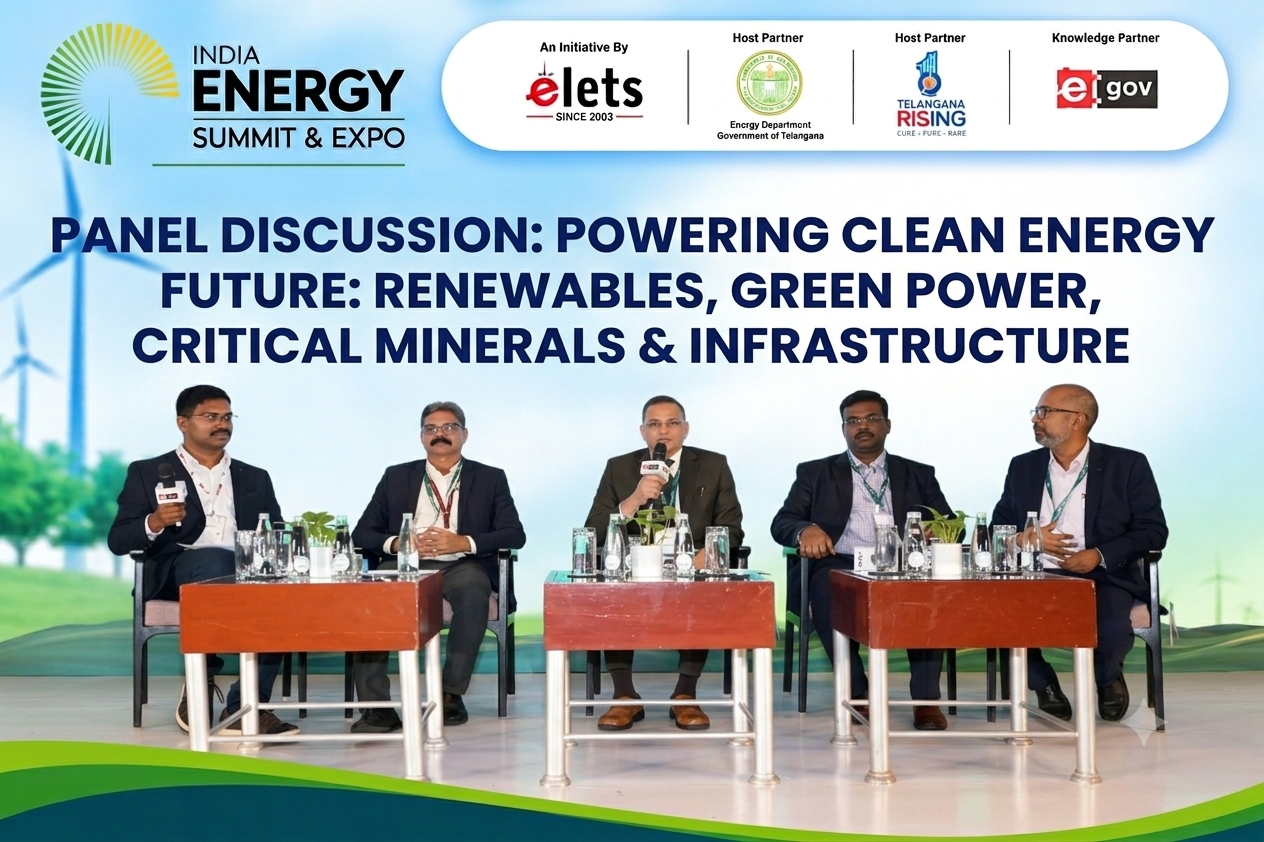
Insights shared by Dr K. Ilambarithi, Sarfaraz Ahmad, R. V. Karnan, Y. Nagi Reddy, Piyush Mittal, Prof. Amartya Awasthi, Dr A. Gangagni Rao, Dr Surya Kiran, and Shaik Salauddin at the India Energy Summit and Expo 2026, held on 18-19 August 2026, Hyderabad

Be a part of Elets Collaborative Initiatives. Join Us for Upcoming Events and explore business opportunities. Like us on Facebook , connect with us on LinkedIn and follow us on Twitter, Instagram.
"Exciting news! Elets technomedia is now on WhatsApp Channels Subscribe today by clicking the link and stay updated with the latest insights!" Click here!