 News




The global energy system is undergoing a period of disruption as geopolitical conflicts, climate change, shifting energy demand and the expansion of renewable power reshape traditional supply chains. The COVID-19 pandemic, extreme weather events, the war in Ukraine and tensions in the Gulf have exposed the vulnerabilities of an energy system heavily dependent on fossil fuels.
These developments have renewed calls for a new global energy framework focused on energy security, affordability, reliable supplies, greater self-sufficiency and environmental sustainability. Although the shape of such an order remains uncertain, countries are increasingly looking to diversify their energy sources and reduce exposure to external shocks.

The existing energy system faces several structural challenges. Global energy demand has increased significantly over the past five decades, driven by population growth, industrialisation and rising energy consumption. Demand in China has increased nearly tenfold during this period, while Asia has emerged as a major centre of energy consumption.
At the same time, access to energy remains uneven. Around 720 million people worldwide still lack electricity, while nearly two billion rely on polluting fuels for cooking. In contrast, the expansion of artificial intelligence and digital infrastructure has led to the development of large data centres with substantial electricity requirements.

Climate change is also altering energy consumption patterns. Rising temperatures have increased the demand for cooling, placing additional pressure on electricity systems, particularly in developing countries. These disparities have significant economic and development implications for countries in the Global South.
Fossil fuel dependence remains a major challenge
Despite the growth of renewable energy, fossil fuels continue to dominate the global energy mix.
According to the figures cited in the article, fossil fuels accounted for approximately 86.2% of global primary energy supply in 2025. Oil contributed 33.5%, coal 27.7% and natural gas 25.1%. Low-carbon sources accounted for the remaining 13.8%, including renewables at 5.9%, nuclear power at 5.2% and hydropower at 2.7%.
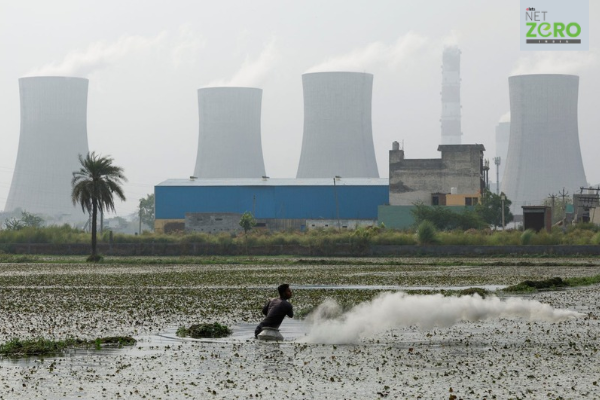
The continued dependence on fossil fuels has contributed to supply disruptions, air pollution, climate change and geopolitical competition over energy resources. Concentration of oil and gas reserves in a limited number of regions has also made importing countries vulnerable to changes in global prices and political instability.
The link between fossil fuel consumption and global warming remains a central concern. Scientific assessments have established that human activities, particularly the burning of coal, oil and natural gas, are the principal drivers of recent climate change.
Limiting global warming to 1.5°C above pre-industrial levels is considered important for reducing the risk of severe and potentially irreversible climate impacts. However, current global emissions trends point towards a temperature rise of around 2.5°C by the end of the century.
The failure to reach agreement on fossil fuel phase-out and clean technology financing at COP31 has highlighted the differences between countries over the pace and cost of the energy transition.
Conflicts expose vulnerabilities in global energy supplies
The wars in Ukraine and the Gulf have added to the pressure on global energy markets, disrupting supplies from regions that play a major role in oil and gas production and transportation.
The conflict involving the United States, Israel and Iran has particularly affected the Strait of Hormuz, a critical shipping route through which nearly one-fifth of global oil and gas trade passes by sea.
The disruption has affected energy supplies and prices across regions. According to the figures cited, the conflicts have resulted in cumulative losses of 2.8 billion barrels of crude oil and 60 billion cubic metres of natural gas.
The impact extends well beyond energy-producing countries. Around three-quarters of the world’s population live in countries that import oil and gas, while more than four billion people live in countries that depend on the Strait of Hormuz for over 30% of their oil supplies.
Before the Iran conflict, much of the oil and gas transported through the strait was destined for Asian markets. The remaining supplies largely supported energy needs in other regions, including Africa.
The disruption has therefore exposed the vulnerability of both Asia and Africa, particularly in sectors such as transportation and agriculture, which depend heavily on reliable and affordable energy.
The continuing conflicts have also complicated efforts to stabilise energy markets, with uncertainty over supply routes contributing to price volatility.
The International Energy Agency (IEA), in its latest World Energy Outlook, described 2026 as a year of unprecedented disruption and characterised the Strait of Hormuz crisis as the largest threat to energy security in history.
The crisis has reinforced the need for countries to reconsider their dependence on concentrated fossil fuel supply chains and strengthen domestic energy capabilities.
India and the changing energy landscape
For India, the emerging global energy order presents both challenges and opportunities. As a major energy consumer with substantial dependence on imported crude oil and natural gas, the country remains exposed to geopolitical disruptions and international price movements.
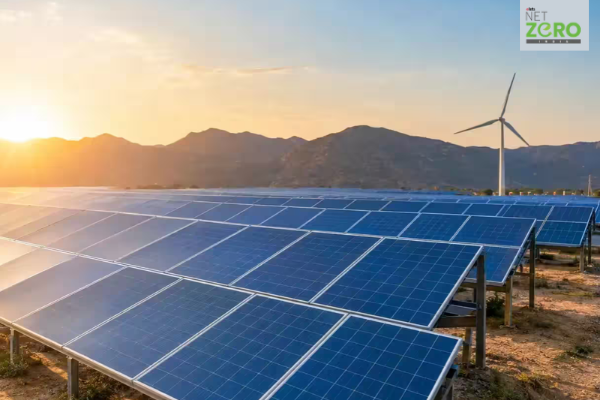
Diversifying energy supplies, expanding renewable power, strengthening electricity infrastructure and developing energy storage will be important to improving India’s energy security.
The transition will also require investment in clean technologies, domestic manufacturing and more resilient supply chains. At the same time, India must address the challenge of providing affordable energy to a growing economy while reducing emissions.
The changing global energy landscape is likely to place greater emphasis on countries that can combine reliable energy supplies with domestic production, technological capabilities and diversified sources of power.
For India, its position in the emerging energy order will depend on how effectively it balances energy security, economic growth and the transition towards a lower-carbon system.

Be a part of Elets Collaborative Initiatives. Join Us for Upcoming Events and explore business opportunities. Like us on Facebook , connect with us on LinkedIn and follow us on Twitter, Instagram.
"Exciting news! Elets technomedia is now on WhatsApp Channels Subscribe today by clicking the link and stay updated with the latest insights!" Click here!