 News





Article
India’s Power Transition: Why Grid Stability, Energy Storage and Thermal Flexibility Must Go Hand in Hand
India’s Power Transition: Why Grid Stability, Energy Storage and Thermal Flexibility Must Go Hand in Hand
![]() By
Samuel Raj 28-November-2026


India’s power sector is entering a decisive phase of its energy transition. For years, the central priority has been to expand renewable energy capacity and reduce dependence on conventional sources. However, as solar and wind installations grow, a more complex challenge is emerging: how can India integrate increasing volumes of renewable electricity while ensuring reliable, affordable and uninterrupted power supply?
The discussion is no longer simply about choosing between coal and renewables. It is about building a power system in which thermal generation, solar and wind energy, battery energy storage, pumped-storage hydropower and emerging technologies work together to meet demand at every hour of the day. The experiences of Telangana, Rajasthan, Odisha and Chhattisgarh, alongside the strategies of NTPC and Singareni Collieries, underline an important reality: India’s energy transition will not follow a single template. It must respond to regional resources, industrial requirements, demand patterns and the technical limitations of existing infrastructure.

The challenge ahead is to ensure that the transition does not compromise the very energy security it seeks to strengthen.
Thermal Power Remains Central to India’s Energy Security

Despite the rapid expansion of renewable energy, coal-based generation continues to play a significant role in India’s electricity system. Its importance is particularly visible in states with substantial coal resources, established thermal infrastructure and growing industrial demand.
Telangana illustrates this dependence. According to Harish, Chairman and Managing Director of Telangana’s Generation Utility, the state’s per capita electricity consumption is approximately 2,500–2,600 units, compared with a national figure of around 1,400 units cited during the discussion. Peak demand during summer has reached approximately 18,000–19,000 MW, while demand during the kharif season can remain around 16,000–17,000 MW.
These figures highlight the scale of the challenge facing power planners. Electricity demand is not determined by renewable capacity targets alone; it is shaped by agriculture, industrial activity, economic growth and seasonal consumption. A system that must reliably meet such demand cannot depend exclusively on generation sources whose output fluctuates with weather conditions.
Telangana has approximately 8,000 MW of installed thermal capacity, including an upcoming unit referenced during the discussion. The state’s approach is therefore centred on optimising its existing thermal fleet, improving operational efficiency and flexibility, and expanding renewable generation alongside storage infrastructure.
The underlying principle is straightforward: thermal power should increasingly complement renewable generation rather than operate independently of it.
This approach also reflects the wider national challenge. As India’s electricity requirements rise, thermal assets will continue to provide important support when solar and wind generation cannot meet demand. The transition, therefore, must account for both the expansion of cleaner energy and the continued reliability of conventional generation during the adjustment.
Rajasthan’s Renewable Growth Exposes the Cost of Grid Flexibility
If Telangana demonstrates the challenge of balancing an established thermal fleet with expanding renewables, Rajasthan offers a different perspective. Its substantial solar resources have enabled rapid renewable capacity addition, but the changing generation mix has created operational difficulties for thermal power stations.
During periods of strong solar generation, thermal plants may need to reduce their output significantly. According to the Rajasthan representative, some units are required to operate at technical minimum levels of around 55%, with certain supercritical plants operating at approximately 48%.
Such operating conditions are not without consequences. Thermal plants originally designed for relatively stable generation must increasingly accommodate frequent changes in output. This creates challenges involving equipment stress, operational stability, maintenance and the reliability of individual generating units.
The difficulty is especially pronounced when electricity demand rises during periods when solar generation is declining or unavailable. Rajasthan’s representative cited a peak demand of approximately 19,600 MW during the rabi season and a demand exceeding 18,500 MW during the kharif period. Against this backdrop, the state’s thermal fleet remains an important contributor to supply.
The lesson is that renewable energy expansion must be accompanied by investments in flexibility. Adding solar capacity is only one part of the equation; the power system must also be capable of responding to the changing availability of that electricity.
Battery storage, better forecasting, predictive maintenance and improved operational planning can help address these challenges. However, technology alone will not resolve the problem. Grid operators, generating companies and regulators must also establish the operational and financial conditions needed to make flexible generation viable.
The Hidden Financial Burden of Flexible Thermal Generation
One of the most consequential issues raised during the discussion was the growing mismatch between how thermal power plants were designed and how they are now expected to operate.
Many existing units were designed 15–20 years ago, when frequent ramping up and down was not the central requirement. Today, rising solar generation increasingly requires thermal plants to reduce output during the day and increase it as renewable generation declines.
According to the representative of Chhattisgarh State Power Generation Company, this changing operating pattern places additional stress on pressure components, ducting and other equipment. More frequent operational adjustments can increase maintenance requirements, replacement costs and downtime.
Yet these costs are not necessarily reflected adequately in existing tariff arrangements.
This creates a structural problem. Thermal generators are expected to provide a service that is increasingly important to grid stability, but the financial framework may not fully recognise the additional costs associated with delivering that flexibility.
The issue deserves urgent attention from electricity regulators. If conventional plants are required to ramp more frequently, operate at lower loads and maintain readiness to respond to changing grid conditions, the resulting costs must be evaluated transparently. Appropriate compensation mechanisms may be necessary to ensure that generators can maintain their assets without undermining financial viability.
This is not an argument for insulating thermal power from competition or delaying decarbonisation. Rather, it is a recognition that a reliable transition requires the services supporting the grid to be valued appropriately.
Regulation must evolve alongside technology. Otherwise, the system risks demanding greater flexibility from thermal generators while leaving them to absorb the costs of providing it.
Storage Is the Missing Link Between Renewable Capacity and Reliable Power
Energy storage emerged as one of the strongest areas of consensus among the panellists. As renewable penetration increases, storage will become essential to shifting surplus electricity from periods of high generation to periods when demand exceeds available renewable supply.
However, storage should not be understood as a single technology or a uniform solution for every state.
Battery energy storage systems can respond rapidly to fluctuations and support short-duration balancing. Pumped-storage hydropower can provide longer-duration storage, subject to site suitability, water availability, clearances and project economics. Emerging technologies may offer additional options as their performance and commercial viability develop.
Telangana’s representative stressed the need to accelerate storage deployment, particularly pumped-storage projects. While storage auctions and policy incentives have progressed, implementation has been slower than desired. Delays in environmental and forest clearances, alongside other project-development hurdles, can postpone the benefits of storage infrastructure.
A more coordinated approval process could help address these bottlenecks. Single-window clearances, clearer contracting requirements and targeted incentives could support project execution while retaining necessary environmental safeguards.
There is also a strategic argument for strengthening domestic storage capabilities. Pumped-storage projects can draw on domestic engineering, construction and supply chains, while battery deployment can support the development of new energy-sector capabilities. A balanced approach would allow different storage technologies to serve different operational needs rather than treating them as competing alternatives.
NTPC’s plans, as outlined by its representative, reflect this broader direction. The company is pursuing battery storage at multiple stations, including projects in the southern region, and examining longer-duration options such as redox-flow batteries and a demonstrated carbon dioxide-based battery system.
The larger objective should be to develop storage as an integral component of power-system planning, rather than as an isolated addition to renewable projects.
NTPC’s Diversification: From Generation to Integrated Energy Solutions
The evolving strategy of NTPC illustrates how major power producers are adapting to the demands of the transition. Alongside its responsibility to supply reliable electricity, the company is expanding its work on energy storage and green hydrogen while continuing to maintain its thermal assets.
Its proposed green hydrogen and derivatives hub at Pudimadaka represents an effort to connect renewable electricity with industrial demand. The project, as described during the discussion, envisages using renewable power to produce hydrogen through electrolysis and developing downstream products such as methanol, ammonia and sustainable aviation fuel.
Such projects could help extend renewable energy’s role beyond electricity generation. Green hydrogen and its derivatives may serve sectors where direct electrification is difficult, provided that production costs, infrastructure and reliable buyers can be secured.
The emphasis on market demand is particularly important. Large-scale clean-energy projects cannot become commercially sustainable through production capacity alone. They need credible offtake arrangements, financing and infrastructure that connects production with consumers.
NTPC’s storage initiatives also demonstrate why diversification should not mean abandoning conventional generation before alternatives can deliver the required reliability and scale. Instead, the company’s challenge is to develop new capabilities while ensuring that its existing fleet remains available and operationally sound.
The transition will depend on whether these investments can work together as part of a coherent energy system.
Singareni’s Transition Must Balance Economic Continuity and New Opportunities
For Singareni Collieries Company, the energy transition carries an additional dimension: the future of a business whose historical strength lies in coal mining.
Its representative argued that coal would remain central to India’s energy security for the coming decades, while also emphasising the need for diversification. Singareni is looking beyond coal extraction towards thermal energy and critical minerals, seeking to balance commercial performance with its responsibilities as a public-sector enterprise.
This is a particularly important perspective for coal-dependent regions. The transition is not merely a question of replacing one source of electricity with another. It also concerns employment, regional economies, industrial supply chains and the long-term viability of institutions built around conventional energy.
The possibility of repurposing suitable former open-cast mining sites for pumped-storage projects points towards one way of connecting the legacy energy economy with emerging infrastructure needs. Such proposals would require careful assessment of site conditions, engineering feasibility, environmental impacts and project economics, but they demonstrate the potential for existing industrial landscapes to support new energy applications.
A credible transition must create opportunities for coal-dependent enterprises and communities to adapt. Diversification into new energy businesses and critical minerals can be part of that response, provided that investments are supported by realistic assessments of demand, costs and capabilities.
Odisha and Chhattisgarh Highlight the Industrial Imperative
Odisha’s experience demonstrates why energy planning must consider industrial demand alongside renewable targets. The state has significant coal resources and energy-intensive industries, including steel and aluminium production. According to Grid Corporation of Odisha’s representative, captive thermal generation is substantial because these industries require reliable electricity.
The state’s contracted power capacity was described as approximately 10.5 GW against a peak demand of around 7.5 GW, with the generation mix cited as roughly 55% thermal and 45% renewable. The representative also said Odisha had awarded approximately 10.3 GW of renewable capacity against an earlier target of 11 GW by 2030, with the possibility of exceeding its original ambition.
These figures indicate that a historically power-surplus state is moving towards a more deliberate renewable expansion strategy. Nevertheless, industrial electricity requirements mean reliability will remain central to its planning.
Odisha’s generating companies are also considering storage and improvements to thermal operations. Its representative highlighted the need for more research into the technical effects of frequent ramping, lower plant utilisation and changes in operating conditions. This is an area where collaboration between utilities, equipment specialists and research institutions could help develop practical solutions.
Chhattisgarh faces a related challenge. Its representative argued that the increasing need for flexible thermal operation is raising maintenance costs and placing stress on equipment, even as thermal plants remain important for meeting demand and supporting the grid.
Both states reinforce a central conclusion: energy transition policies must be grounded in the operational realities of the electricity system. National ambitions need to translate into state-level plans that account for industrial loads, available resources, generation assets and the infrastructure required to move power reliably.
AI and Digitalisation Can Improve Efficiency, but Cannot Replace Planning
Artificial intelligence and digitalisation also featured in the discussion as potential tools for improving plant performance. Predictive maintenance, data-led operational analysis and better monitoring could help generating companies identify equipment problems earlier, reduce unplanned outages and improve efficiency.
Rajasthan’s representative emphasised the importance of reliable data and predictive analysis, arguing that power plants would increasingly need to move beyond conventional maintenance schedules towards more condition-based approaches.
However, digital tools must be supported by sound engineering, quality data and investment in operational capabilities. AI cannot eliminate the physical limits of ageing equipment, nor can it replace the need for storage, grid infrastructure or appropriate market and regulatory arrangements.
The same principle applies to the conversion of older generating machines into synchronous condensers, an option raised during the closing discussion. Where technically and economically feasible, such repurposing could allow retired or ageing equipment to provide grid-support services even when it no longer generates electricity in its original role. The feasibility of individual projects would need to be established through detailed assessment.
Technology is most valuable when it addresses a clearly identified system requirement.
Looking Towards 2035: A Transition Built Around Reliability
The panellists’ visions for 2035 differed in scale and emphasis, reflecting the distinct circumstances of their organisations. Yet several common priorities emerged: expanding renewable generation, deploying storage, improving thermal flexibility, adopting digital tools and ensuring that reliable electricity remains affordable.
Telangana wants thermal generation to complement renewables while accelerating storage deployment. Rajasthan is looking towards more efficient thermal operations, predictive maintenance and battery storage. NTPC is pursuing large-scale storage and green hydrogen alongside its core generation business. Odisha aims to expand renewables and storage while continuing to support industrial demand. Singareni is exploring diversification, while Chhattisgarh is calling for greater recognition of the costs associated with flexible thermal operation.
These approaches point towards a more integrated model of energy planning. The objective should not be to maximise one technology in isolation, but to build a portfolio capable of meeting changing demand under different operating conditions.
Achieving that objective will require more than installing new capacity. India must accelerate storage projects, strengthen transmission and evacuation infrastructure, improve demand-side planning, encourage research into thermal flexibility and develop regulatory frameworks that reward reliability without weakening the drive towards cleaner energy.
Equally important, the transition must remain sensitive to regional realities. States with abundant solar resources face different operational pressures from those with large industrial loads or established coal-based generation. Their pathways may differ, but the national objective remains shared.
India’s power transition will ultimately be judged not only by how much renewable capacity it adds but also by whether electricity remains dependable, affordable and available as the economy grows.
The defining task for 2035 is therefore clear: move beyond the debate between coal and renewables and build an integrated power system in which generation, storage, digitalisation and regulation reinforce one another. A successful transition will not be one that simply replaces existing capacity. It will be one that makes the entire electricity system more flexible, resilient and capable of supporting India’s development without compromising energy security.
——————————–
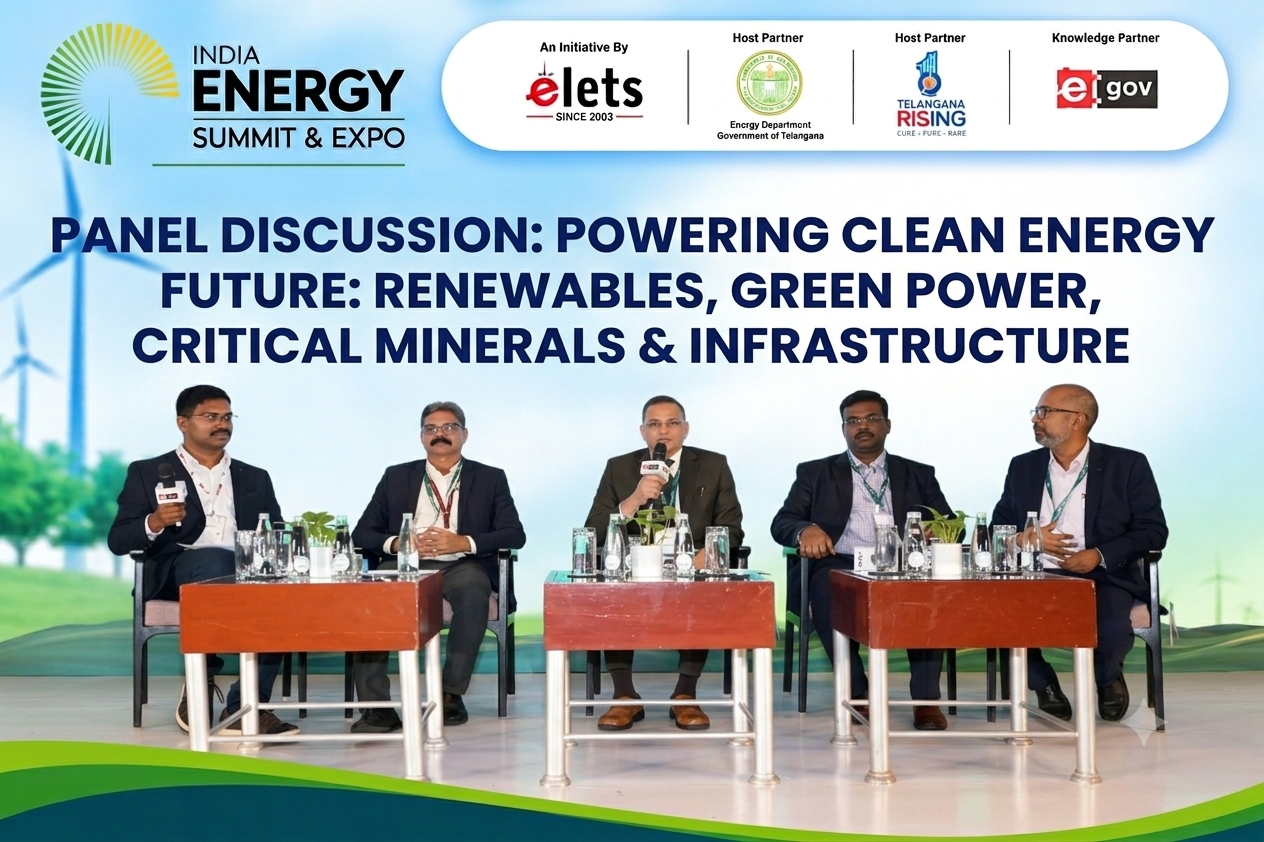
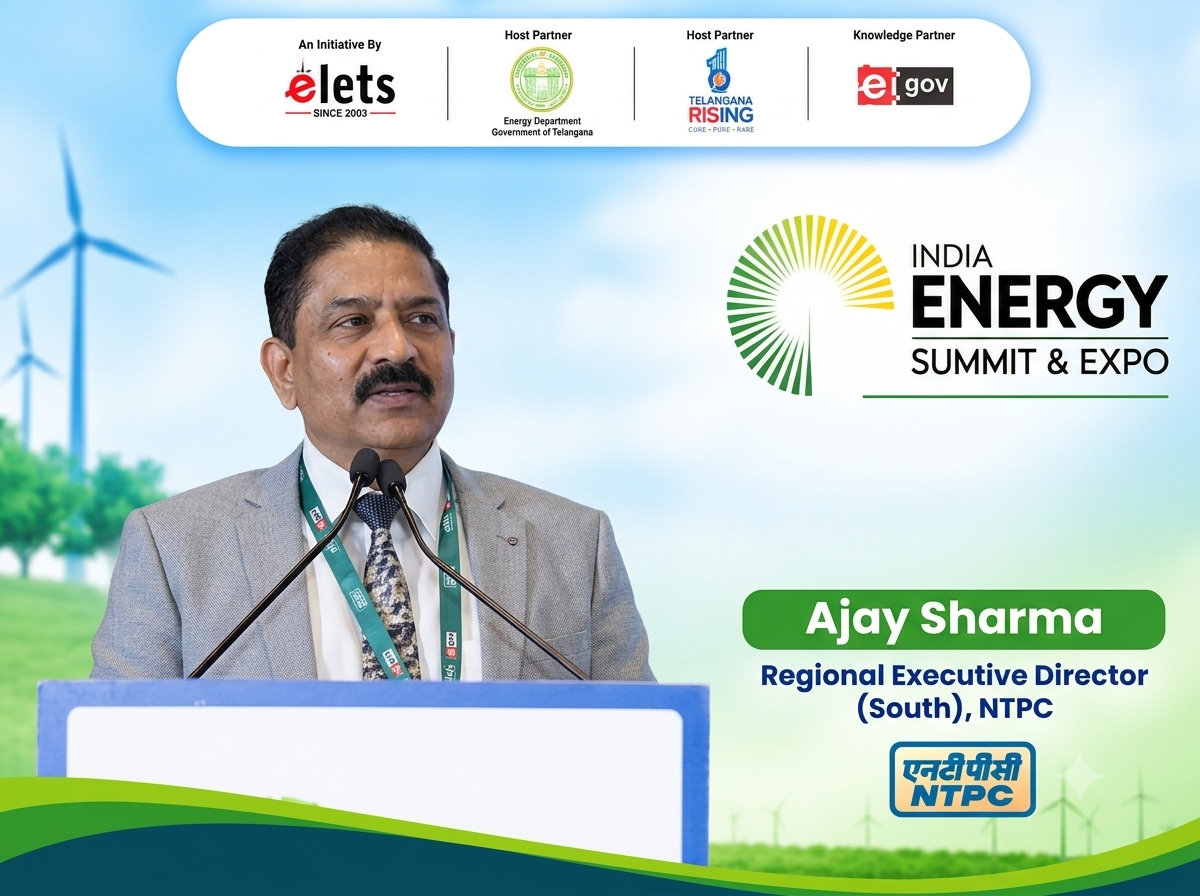
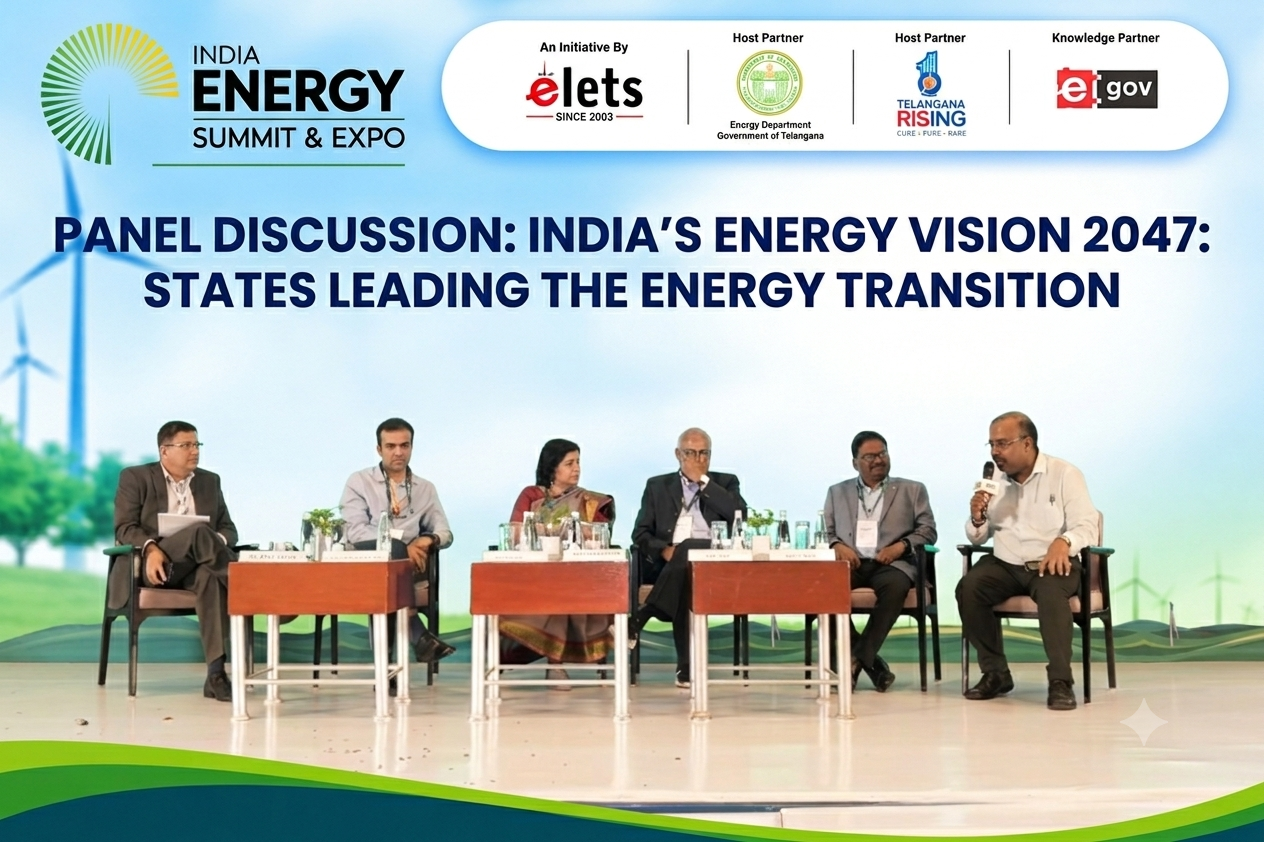
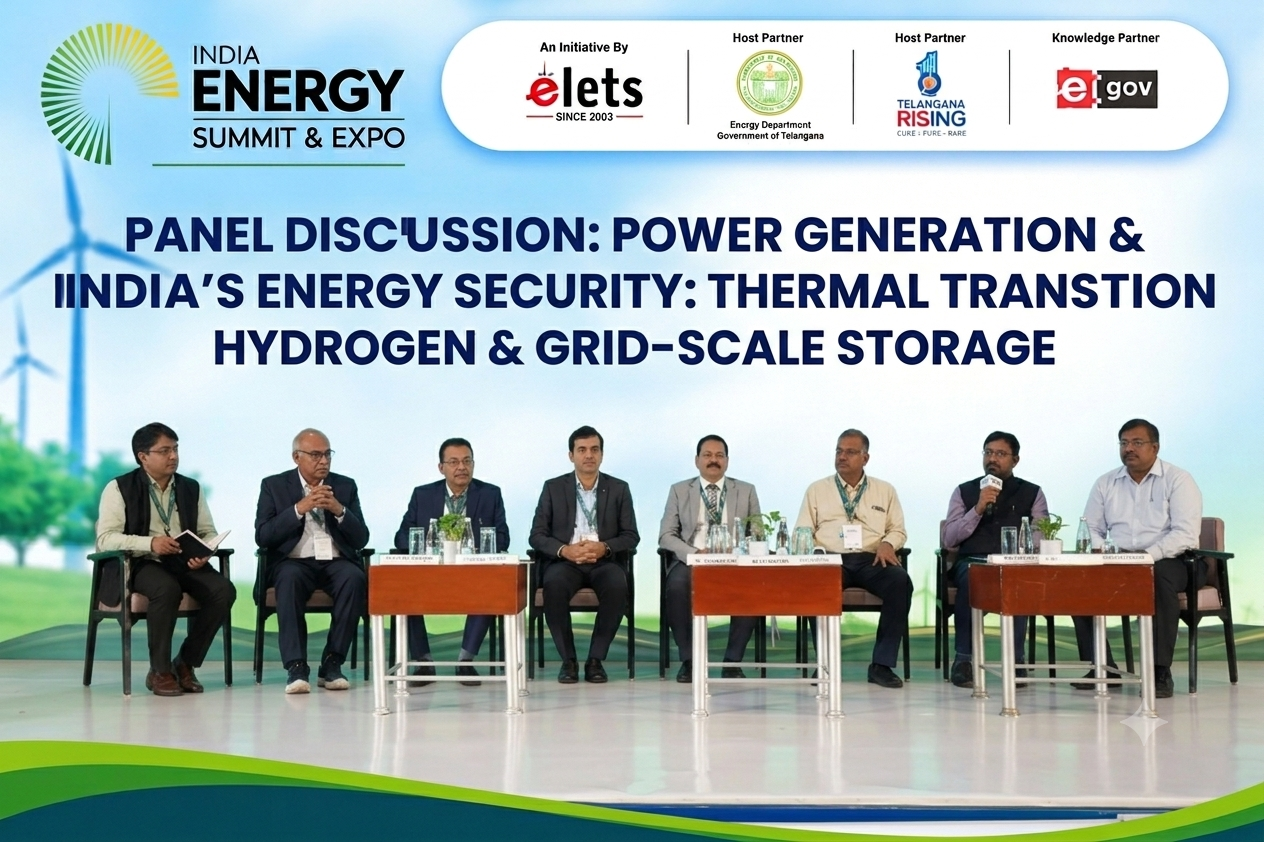
Insights shared by Dr Jyothi Buddha Prakash, Dr S Harish, Devendra Shringi, Ajay Sharma, Dr Satyapriya Rath, and Kedar Ranjan Pandu at the India Energy Summit and Expo 2026, held on 18-19 August 2026, Hyderabad

Be a part of Elets Collaborative Initiatives. Join Us for Upcoming Events and explore business opportunities. Like us on Facebook , connect with us on LinkedIn and follow us on Twitter, Instagram.
"Exciting news! Elets technomedia is now on WhatsApp Channels Subscribe today by clicking the link and stay updated with the latest insights!" Click here!