 News





Article
India’s Energy Transition: Why Coal, Renewables and Grid Stability Must Move Together
India’s Energy Transition: Why Coal, Renewables and Grid Stability Must Move Together
![]() By
Samuel Raj 27-November-2026


India’s energy transition is often discussed through the lens of renewable energy expansion, decarbonisation and the gradual shift away from fossil fuels. Yet, beneath these ambitions lies a more complex reality: a rapidly growing economy cannot compromise on reliable electricity supply while transforming the sources from which that electricity is generated. For India, the challenge is not simply to replace coal with clean energy but to build a power system capable of balancing affordability, reliability, energy security and environmental responsibility.
This challenge was at the centre of a discussion on India’s power sector, where NTPC’s approach to coal generation, renewable energy expansion, nuclear power, energy storage and emerging technologies offered insight into the direction of the country’s energy strategy. The central message was clear: coal continues to provide an important foundation for electricity supply, but the future will increasingly depend on how effectively India integrates cleaner sources of energy without undermining grid stability.

As electricity demand rises, the transition must be planned around the needs of the entire power system rather than the expansion of any single energy source.
Coal Remains Central to India’s Energy Security
Coal occupies a distinctive position in India’s electricity landscape. While renewable energy capacity is expanding, coal-based generation continues to provide a substantial share of the country’s electricity, helping meet demand across industries, businesses and households.

India’s dependence on coal is closely connected to its development trajectory. Rising incomes, urbanisation, industrial growth, infrastructure expansion and increasing electricity consumption all place additional pressure on the power sector. As demand grows, the country must ensure that sufficient generation remains available not only during periods of abundant sunshine or favourable wind conditions, but also during evening peaks and other periods when renewable output may be limited.
The discussion highlighted the importance of maintaining existing coal-based plants in healthy operating condition while expanding renewable capacity. This is particularly relevant because electricity demand does not always align with renewable generation. Solar power is available during daylight hours, but demand can remain high after sunset. Until sufficient storage and other dependable sources are available at scale, conventional generation will continue to play a role in meeting these requirements.
However, recognising coal’s current importance should not be interpreted as an argument against the energy transition. Instead, it underscores the need for a carefully managed transition in which the reliability of the existing system is preserved while cleaner alternatives become increasingly capable of meeting demand.
The policy challenge is therefore twofold: maintain the operational reliability of existing assets and progressively diversify the energy mix. An abrupt shift without adequate replacement capacity, storage and grid flexibility could create supply pressures. Equally, excessive dependence on conventional generation would make it more difficult to achieve long-term decarbonisation objectives.
Grid Stability Must Guide the Energy Mix
One of the most significant insights from the discussion was that the energy transition must be guided by the requirements of grid stability. Electricity generation and consumption must remain balanced, and the power system needs sufficient flexibility to respond to changes in demand and supply.
Coal-based plants have traditionally contributed to meeting dependable electricity demand. As renewable generation increases, however, the system must accommodate greater variability and manage periods when solar or wind output changes. This requires investment not only in new generation but also in storage, transmission infrastructure, forecasting and grid management.
The discussion presented a future energy mix in which renewable sources account for a substantially larger share while coal continues to provide a significant contribution. The broader implication is that India’s transition will involve managing a changing combination of energy sources rather than relying on a single technology to meet every requirement.
Energy storage will be especially important in this process. Battery systems can help shift electricity from periods of high renewable generation to periods of greater demand, while other storage technologies may provide longer-duration support. Yet the scale and cost of storage remain important considerations, particularly as the country’s electricity requirements continue to grow.
India must therefore develop a coordinated strategy in which generation capacity, storage deployment and grid infrastructure advance together. Adding renewable capacity without sufficient flexibility could leave the system struggling to use that electricity effectively when it is generated or to meet demand when it is unavailable.
The objective should be a power system that is not only cleaner but also more resilient and responsive.
NTPC’s Expanding Role in the Transition
As one of India’s major power-sector enterprises, NTPC illustrates how an established conventional energy company can expand its role in the changing electricity landscape.
During the discussion, NTPC’s portfolio was described as being approximately 90 GW, with plans to reach around 149 GW by 2032. Its renewable energy ambitions were also outlined, including a target of 60 GW of renewable capacity by 2032, compared with approximately 12 GW referred to during the presentation.
These plans point towards a significant expansion of renewable energy alongside the company’s established generation operations. They also reflect the scale of the task facing large power producers: they must support growing electricity demand while adapting their investment strategies to a changing energy mix.
The presentation also highlighted NTPC’s interest in expanding its renewable presence in Telangana, particularly through the potential for floating solar projects. Such projects could make use of suitable water bodies and provide an alternative where land availability presents a challenge.
The broader significance lies in the potential for existing power-sector institutions to contribute to the transition using their experience in project development, infrastructure management and large-scale electricity generation. Renewable expansion does not necessarily require conventional power-sector expertise to be discarded; instead, that expertise can be redirected towards developing and operating a more diverse portfolio.
Nevertheless, the transition will require disciplined investment decisions. Capacity targets must be supported by appropriate infrastructure, viable project economics and reliable integration with the wider electricity network.
Nuclear Power and the Search for Dependable Clean Energy
Renewable energy expansion alone may not address every requirement of a growing electricity system. India also needs dependable sources capable of supporting electricity demand when solar and wind generation are insufficient.
Nuclear power featured prominently in the discussion as a potential contributor to this requirement. The argument was that nuclear generation could help provide a stable source of electricity as the country gradually reduces its dependence on coal over the longer term.
The NTPC presentation referred to plans involving a 2,800 MW nuclear project at Mahi Banswara, comprising four units of 700 MW each, with commissioning discussed in the context of the early 2030s. Such projects illustrate the potential role of nuclear energy in diversifying the electricity mix.
However, nuclear development involves long planning and construction timelines, substantial capital requirements, regulatory processes and demanding technical standards. Its contribution must therefore be assessed within a wider strategy that also includes renewable energy, storage, transmission investment and other available sources of dependable electricity.
The important point is that India’s long-term energy security will require a diverse portfolio. Nuclear power may complement renewable generation, while storage and grid modernisation can help manage fluctuations. Each technology must be evaluated according to its role, cost, development timeline and contribution to the reliability of the overall system.
Green Hydrogen and the Emergence of New Energy Industries
The transition is also creating opportunities beyond electricity generation. Green hydrogen and its derivatives could help support industrial decarbonisation and the development of new energy value chains.
The discussion highlighted NTPC’s green hydrogen hub initiative at Pudimadaka, which is intended to use electricity and electrolyser technology to produce green hydrogen. The presentation described plans to convert hydrogen into products such as methanol and ammonia, with potential applications extending to fertiliser production and sustainable aviation fuel over the longer term.
These developments are significant because they connect renewable electricity with sectors that cannot necessarily be decarbonised through direct electrification alone. Green hydrogen could support industrial processes and create opportunities in manufacturing, infrastructure and energy exports.
Yet commercial viability remains central. Green hydrogen projects require dependable access to clean electricity, suitable infrastructure, competitive production costs and buyers willing to enter into long-term purchasing arrangements. The development of electrolyser manufacturing, industrial demand and supporting supply chains will influence how quickly the sector can expand.
India’s approach should therefore combine technological development with market creation. Announcing large projects is an important first step, but their long-term contribution will depend on whether they can operate reliably and compete economically.
Storage and Innovation Must Move Beyond Familiar Technologies
Energy storage is becoming a critical element of the power sector’s future, but the discussion also pointed to the need to explore technologies beyond conventional lithium-ion batteries.
NTPC referred to its interest in vanadium-based flow battery technology, including a proposed 100 MWh installation at Kawas. Although such alternatives may face cost challenges, exploring them could help diversify the available storage options and address different duration requirements.
No single storage technology will necessarily meet every need. Short-duration batteries, longer-duration storage and pumped-storage hydropower can serve different purposes depending on the requirements of the grid, project costs and local conditions.
For India, the priority should be to encourage innovation while evaluating technologies on practical performance, cost and reliability. Pilot projects can provide valuable operational experience, helping utilities understand how new systems perform under real-world conditions before considering wider deployment.
A diversified storage ecosystem could also strengthen domestic manufacturing and research capabilities. This would help reduce dependence on a narrow range of technologies and create opportunities for Indian companies to participate in an emerging global industry.
Sustainability Must Extend to Existing Power Infrastructure
The transition should not be measured solely by the number of renewable projects commissioned. Improvements in water use, waste management, material recovery and operational efficiency can also make a meaningful contribution to environmental performance.
The NTPC presentation highlighted initiatives involving dry-bottom ash handling, air-cooled condensers, carbon utilisation and efforts to make power-sector townships more sustainable. Dry-bottom ash handling can reduce water consumption and improve the management of ash, while air-cooled condensers can reduce the water requirements of power plants under suitable operating conditions.
The presentation cited potential water savings of around 60% from air-cooled condenser systems in new 800 MW units. It also discussed the development of bricks using ash and captured carbon dioxide at Ramagundam.
Such initiatives demonstrate that sustainability can be pursued through improvements to existing infrastructure as well as through investment in new energy sources. They do not eliminate the emissions associated with coal generation, but they can help address specific resource-efficiency and waste-management challenges.
This distinction matters. Operational improvements should complement, rather than substitute for, the broader shift towards lower-carbon energy.
Building a Balanced and Future-Ready Power Sector
India’s energy transition cannot be reduced to a contest between coal and renewables. The country must meet rising electricity demand, support economic growth, improve environmental performance and maintain reliable supply—all at the same time.
Coal continues to play a major role in the present system, but its future must be considered alongside the expansion of renewable energy, nuclear power, storage and emerging clean-energy industries. For NTPC and other power-sector institutions, the challenge is to manage existing assets responsibly while building the capabilities needed for a more diversified energy future.
The way forward requires integrated planning, investment in grid flexibility, technology development and a stronger domestic manufacturing ecosystem. It also calls for realistic project timelines and a clear understanding of the costs associated with different energy pathways.
Ultimately, the success of India’s transition will depend on whether the power system can deliver electricity when it is needed, at a price consumers and industries can sustain, while progressively reducing its environmental footprint.
The next phase of energy policy must therefore move beyond capacity addition as the sole measure of progress. A future-ready power sector will be defined by the quality of its planning, the diversity of its energy sources, the efficiency of its infrastructure and its ability to balance reliability with decarbonisation.
India does not need to choose between energy security and a cleaner future. It needs a transition strategy that recognises the importance of both—and builds the generation, storage, infrastructure and innovation required to deliver them together.
——————————–
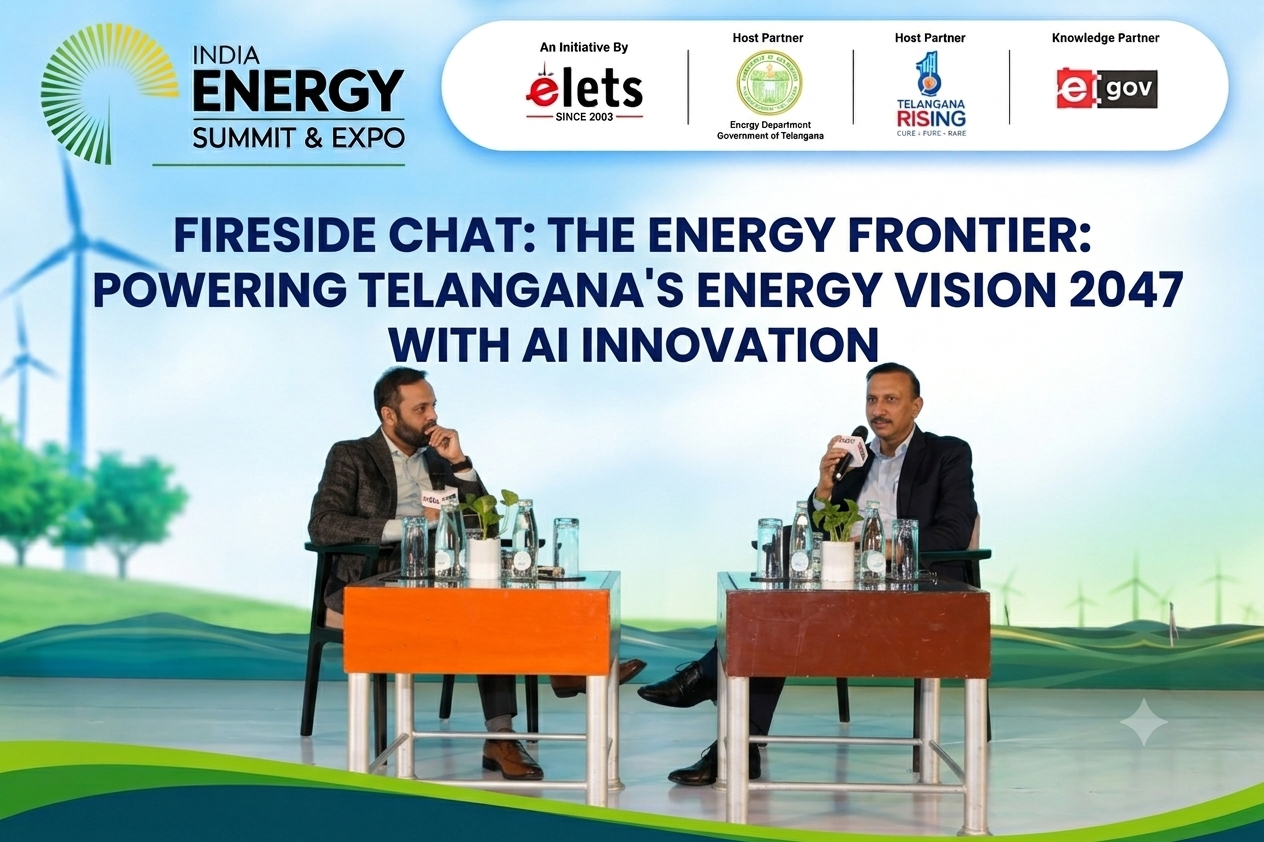
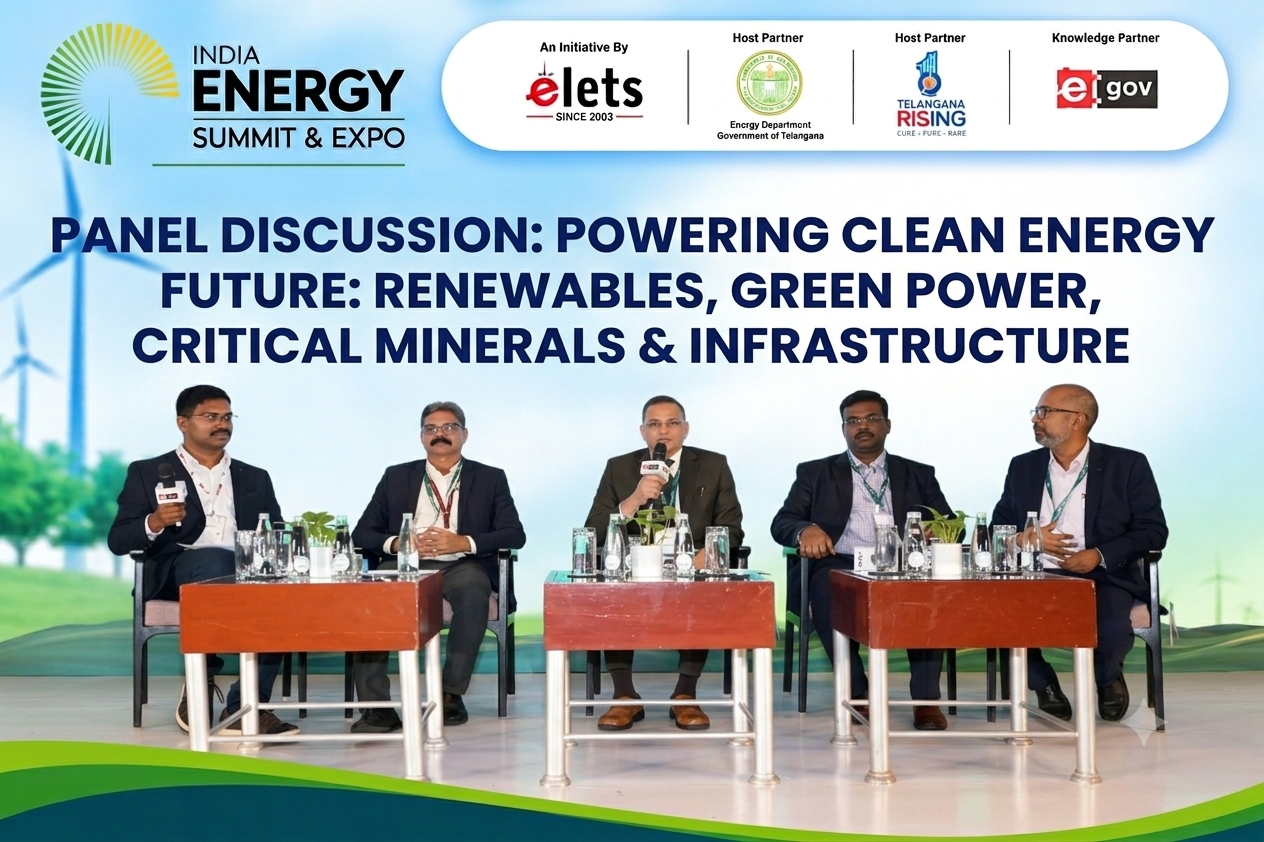
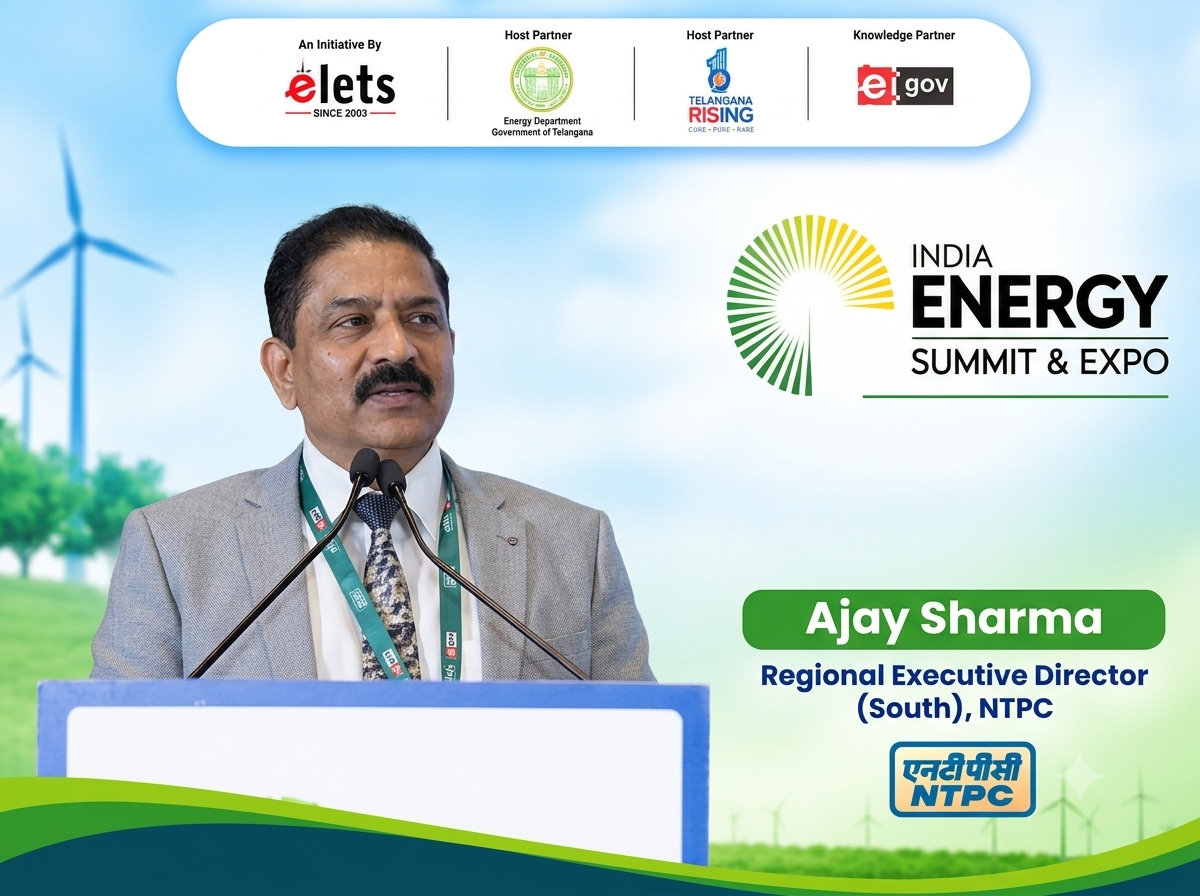
Insights shared by Ajay Sharma, Regional Executive Director (South), NTPC, at the India Energy Summit and Expo 2026, held on 18-19 August 2026, Hyderabad

Be a part of Elets Collaborative Initiatives. Join Us for Upcoming Events and explore business opportunities. Like us on Facebook , connect with us on LinkedIn and follow us on Twitter, Instagram.
"Exciting news! Elets technomedia is now on WhatsApp Channels Subscribe today by clicking the link and stay updated with the latest insights!" Click here!