 News




News
Trump Official Announces Temporary Halt on Russia Sanctions to Evaluate Effects on India and Global Energy Costs
Trump Official Announces Temporary Halt on Russia Sanctions to Evaluate Effects on India and Global Energy Costs
![]() By
Samuel Raj 19-October-2026


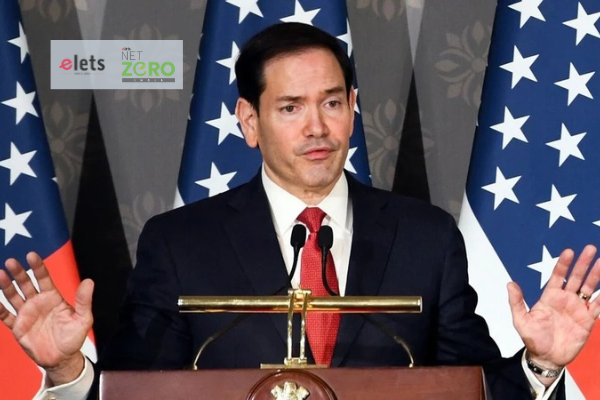
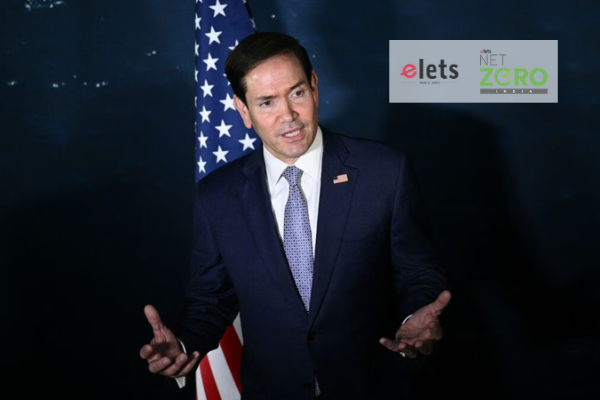
The Trump administration has decided to implement a 60-day suspension to thoroughly assess the potential consequences of imposing extensive new sanctions on Russia and its trading allies, including India, for the global economy, stated US Secretary of State Marco Rubio on Saturday. In detailing the administration’s recent choice to lift sanctions on Russia under the Lindsey Graham Act, Rubio highlighted the significant disturbances to global energy prices already triggered by the ongoing conflicts in Ukraine and Iran and the military actions by Houthi forces against Saudi Arabia.
“Upon the passage of the bill, it was clear that the inclusion of waivers was intended to allow for a necessary period of analysis, especially considering the myriad global issues we face today. The strain on energy supplies is not solely due to Iran or the Strait of Hormuz; it is also significantly influenced by the Houthi attacks on Saudi Arabia and the ongoing conflict between Ukraine and Russia, which has severely impacted energy infrastructure. This situation is undeniably affecting global prices. Therefore, it is crucial to consider all these factors and evaluate them in relation to one another,” Rubio remarked to reporters prior to his trip to Uzbekistan and India.
The US Secretary of State emphasised that the provisions of the Graham Act, which empower the President to impose tariffs of up to 100% on the leading five buyers of Russian energy, could inadvertently affect American allies such as India.
Countries such as India have proactively diversified their energy sources; however, they still rely significantly on Russian energy due to the complexities involved in making rapid transitions. India remains a vital ally and partner of the United States. Therefore, it is essential to take the necessary time to analyse the situation and determine the most effective approach, Rubio noted.

In a significant move just a month after the Lindsey Graham Act was enacted, President Trump exercised a waiver provision on Friday to postpone the imposition of tariffs that could reach as high as 100%. These tariffs would have been applied to India and four other nations for their purchases of Russian oil and gas. Additionally, the order lifted several sanctions targeting Russia and its economic allies, citing national interest considerations and leaving the situation open-ended for future assessments.
In addition to imposing tariffs on the leading five imports of Russian oil and gas, the legislation empowered the President to raise tariffs on Russian exports to the United States by as much as 500% and by up to 100% on the top five exporting nations, inadvertently aiding Russia in circumventing oil sanctions. Furthermore, the legislation introduced stringent new sanctions aimed at Russian financial institutions and their global partners, seeking to compel Moscow to cease its aggression in Ukraine.
These waivers were part of a strategic initiative to lower domestic energy costs in the US, particularly in light of the upcoming midterm elections on November 3. Recently, the Trump administration revealed a contentious agreement for diesel supply with Russia, which could result in Moscow delivering 5 million tonnes of diesel to the US and the global market in the near future. President Trump made a direct connection between this deal with Russia and his commitment to achieving reduced energy prices for American consumers.

Be a part of Elets Collaborative Initiatives. Join Us for Upcoming Events and explore business opportunities. Like us on Facebook , connect with us on LinkedIn and follow us on Twitter, Instagram.
"Exciting news! Elets technomedia is now on WhatsApp Channels Subscribe today by clicking the link and stay updated with the latest insights!" Click here!