 News
News





News
Despite the rise of renewables, coal continues to be the cornerstone of India’s energy landscape
Despite the rise of renewables, coal continues to be the cornerstone of India’s energy landscape
![]() By
Samuel Raj 15-October-2026
By
Samuel Raj 15-October-2026


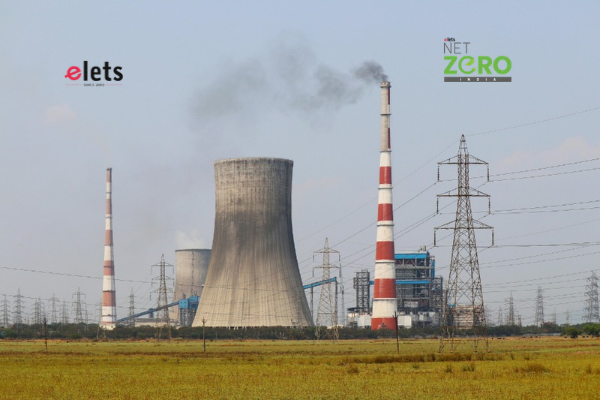
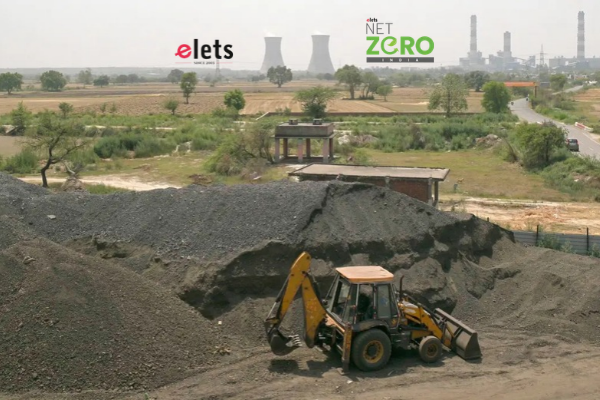
In the second quarter of the 2026/27 financial year, India experienced an impressive 11% increase in electricity generation. However, the nation remains significantly dependent on coal-powered energy, even as renewable sources continue to expand, according to the Centre for Research on Energy and Clean Air (CREA).
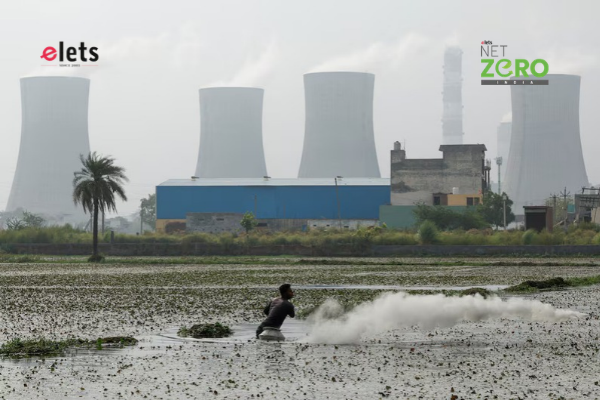
Coal and lignite comprised approximately 66% of the total electricity generation, marking a 12.5% rise compared to the same period last year. On a positive note, non-fossil electricity generation, which includes renewables, hydropower, and nuclear energy, achieved a remarkable milestone, with solar energy production soaring by 39% year-on-year and wind energy increasing by 29%.

‘During the second quarter of the fiscal year 2026–27, electricity generation saw a notable rise of 11% compared to the previous year, with a significant uptick in renewable energy production,’ stated CREA. ‘Despite this growth, coal generation remained robust, sustaining high levels of coal consumption even as stockpiles at power plants dwindled throughout the quarter. As of 1 October, 85 plants reported coal stocks falling below 25% of their required levels, indicating increasing strain on the coal supply chain.’
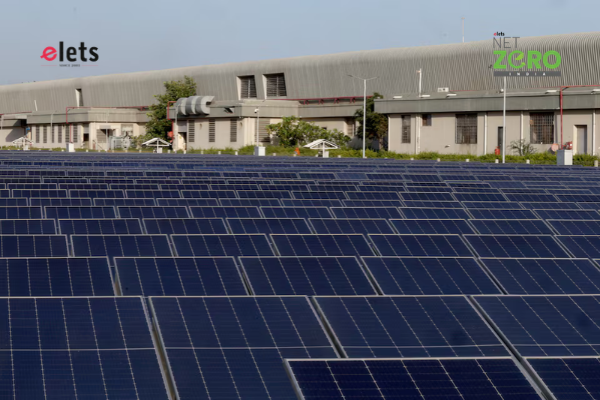
On 30 September, solar energy generation achieved an unprecedented milestone, generating 705 MU, exceeding the prior record set in Q1. Nevertheless, grid limitations and operational challenges continued to restrict the utilisation of renewable energy sources.

Peak electricity demand soared to 270 GW on 16 July, marking an 18% increase from the 230 GW recorded in the same quarter of 2025–26. Regionally, Uttar Pradesh and Maharashtra experienced the highest demand peaks, each reaching 27 GW, followed closely by Gujarat at 23 GW and Tamil Nadu at 20 GW.
Recent Developments in Capacity Expansion
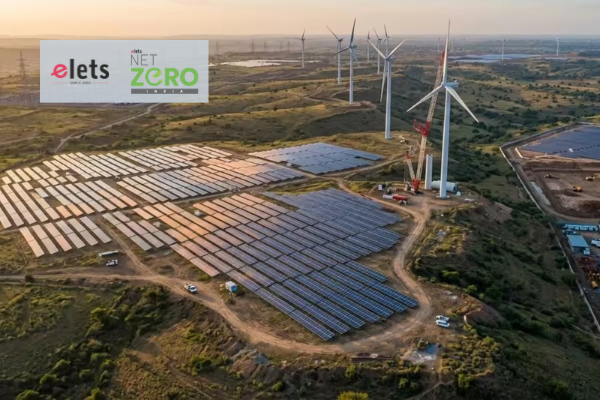
Renewables led new capacity additions during the quarter, with 7 GW added compared with 0.8. During the quarter, renewable energy sources took the lead in new capacity additions, contributing an impressive 7 GW, while thermal capacity saw a modest increase of just 0.8 GW. Additionally, approximately 648 MW of thermal capacity was decommissioned.
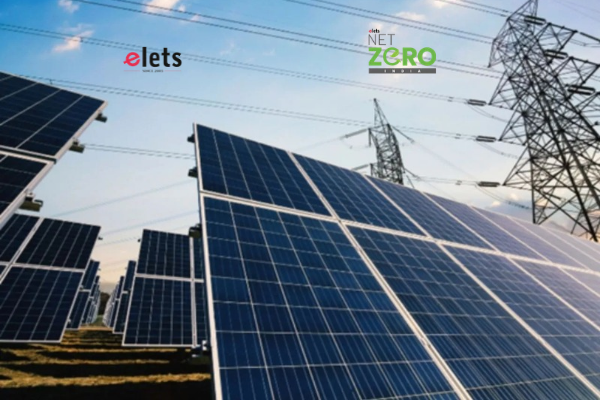
As of August 2026, India’s total installed electricity capacity reached a substantial 555 GW. Notably, non-fossil energy sources made up around 55% of this capacity, with solar energy contributing 168 GW and wind energy adding 59 GW. Furthermore, there are plans for an additional 44 GW of coal-fired capacity, although nearly 40 GW of this ongoing construction remains under 50% completion.
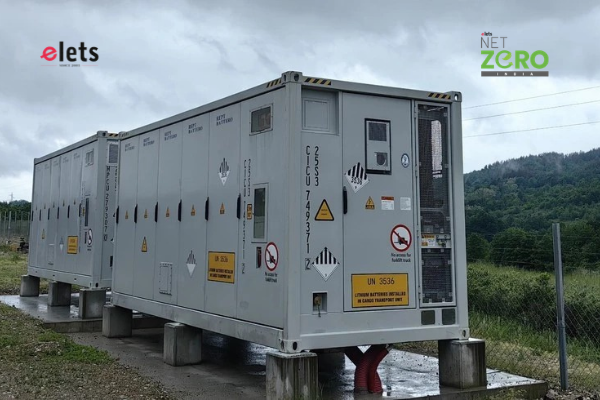
In order to foster the advancement of renewable energy, the realm of energy storage is witnessing significant growth. Currently, approximately 9.1 GWh of battery storage is in operation, with an additional 3 GWh anticipated by December 2026. During peak nighttime demand, storage has been able to deliver up to 5.5 GW, fulfilling about 1% to 2% of the nation’s electricity needs, according to the data.
The information provided by CREA was obtained from GRID-INDIA, the Ministry of Coal, the Central Electricity Authority (CEA), and the National Power Portal (NPP). Read more: https://energyandcleanair.org/quarterly-energy-snapshot-for-india-q2-2026-27/

Be a part of Elets Collaborative Initiatives. Join Us for Upcoming Events and explore business opportunities. Like us on Facebook , connect with us on LinkedIn and follow us on Twitter, Instagram.
"Exciting news! Elets technomedia is now on WhatsApp Channels Subscribe today by clicking the link and stay updated with the latest insights!" Click here!