 News
News





News
Experts emphasise the importance of synchronising renewable energy growth with transmission capabilities
Experts emphasise the importance of synchronising renewable energy growth with transmission capabilities
![]() By
Samuel Raj 16-October-2026
By
Samuel Raj 16-October-2026


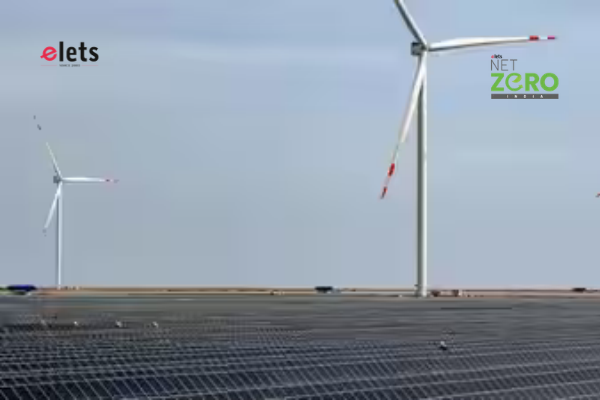
India must synchronise its power generation strategies with the timeline necessary for constructing transmission infrastructure to ensure a reliable and cost-effective response to future electricity demands, as highlighted by energy sector specialists during the RE: DIALOGUES 2026 event in the capital.
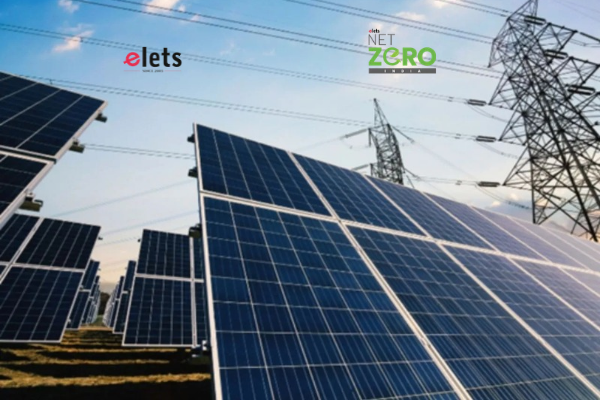
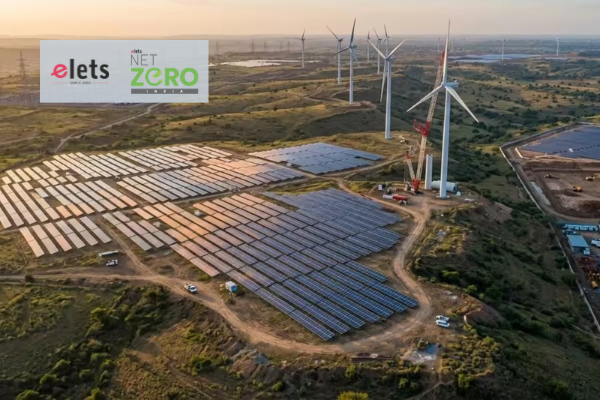
They pointed out significant hurdles for power sector planning, including right-of-way limitations, transformer availability, and the geographical gap between renewable energy production sites and consumption areas and transmission readiness has emerged as a major concern. According to ICRA data for May 2026, about 18.1 GW, or 33% of the 54.8 GW of recently commissioned renewable energy capacity, was relying on temporary grid access because permanent transmission infrastructure was incomplete. Delays in transmission lines and substations can leave completed solar and wind projects unable to evacuate their full generation capacity.

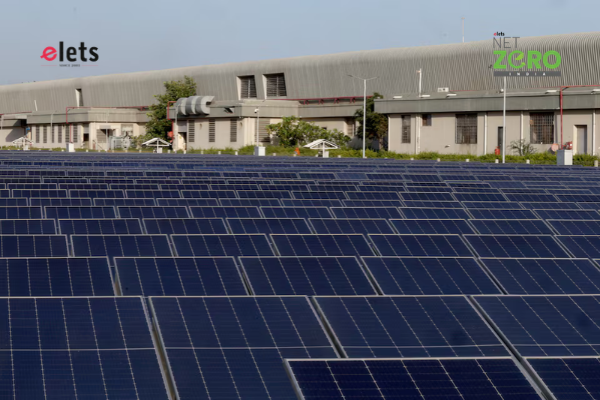
Power curtailment has become a pressing issue. The government reported that during the period of April to June 2026, a staggering 8,133 gigawatt hours of solar energy were curtailed due to transmission limitations and the necessity to uphold grid security. This situation underscores the critical need to align the rollout of generation projects with the development of transmission lines and substations, ensuring that electricity can effectively reach consumption hubs.
The forum, hosted by the Policy Perspectives Foundation and Orange Circle Energy, further emphasised the urgency of enhancing electricity distribution infrastructure, maintaining regulatory consistency, and channelling investments into infrastructure development to accommodate the growing demand for energy.

Bhupinder Bhalla, the former secretary of the ministry of new and renewable energy, emphasized that India’s shift towards sustainable energy must harmonize with broader developmental goals, such as boosting local manufacturing, advancing technology, attracting investments, and creating jobs. He urged for a collaborative approach between the central government and state authorities to tackle infrastructure and regulatory obstacles.
Nikesh Sinha, the innovative leader of Orange Circle Energy, underscored the critical need for India to broaden its outlook beyond just generating electricity. He emphasised the significance of assessing future energy needs, pinpointing new demand centres, and guaranteeing a dependable energy supply.
“Transmission infrastructure takes time to build, and generation and consumption centres are not always in the same locations. Anticipating these requirements and aligning transmission planning with generation, while also considering decentralised solutions, will be critical to meeting India’s future electricity needs,” Sinha said.
The specialists emphasised the importance of redirecting current public funds to focus on key areas like renewable energy and enhancing disaster preparedness. Safi Ahsan Rizvi, a former advisor to the National Disaster Management Authority and affiliated with the Policy Perspectives Foundation, noted that a more strategic distribution of available resources could pave the way for increased investment.

Be a part of Elets Collaborative Initiatives. Join Us for Upcoming Events and explore business opportunities. Like us on Facebook , connect with us on LinkedIn and follow us on Twitter, Instagram.
"Exciting news! Elets technomedia is now on WhatsApp Channels Subscribe today by clicking the link and stay updated with the latest insights!" Click here!