 News
News





India’s energy landscape is at a pivotal juncture. As demand surges and transitions unfold, the geopolitical climate is intensifying the emphasis on energy security, diversified sourcing, and robust supply chains. While traditional energy sources will continue to play a crucial role, innovative energy solutions and digital technologies are paving the way for decarbonisation, reliability, and value generation.
To grasp this opportunity, consider a 3×3 matrix that links three key consumption sectors—transportation, electricity, and manufacturing—with three value perspectives: core energy, new energy, and new tech. This demand-driven approach transcends conventional supply-side frameworks, revealing simultaneous shifts in infrastructure, consumer behaviour, capital investment, and operational models. Each intersection offers unique prospects to safeguard existing value, enhance resilience, invest in emerging solutions, or revolutionise operations.

Through this lens, India’s energy landscape illustrates the convergence of infrastructure, capital, and innovation, shaping the future of energy in the country.
The transportation sector is undergoing a remarkable transformation, shifting from merely consuming fuel to actively engaging in expansive energy and digital ecosystems. While liquid fuels will continue to serve as the backbone of mobility, especially in heavy transport, alternative pathways are emerging through gas, electric vehicles, hydrogen, and biofuels. Energy companies have a unique opportunity that goes beyond just offering different fuels; they can reimagine fuel stations as multifunctional hubs that integrate traditional fuels, charging stations, CNG, convenience retail, fleet services, and digital payment solutions. This shift in electric vehicle energy infrastructure in India is a reflection of the larger energy transition within transportation. Moreover, artificial intelligence is poised to enhance various aspects such as routing, predictive maintenance, demand forecasting, and customer engagement, highlighting the increasing significance of AI in the energy sector and the broader digital evolution of energy systems.

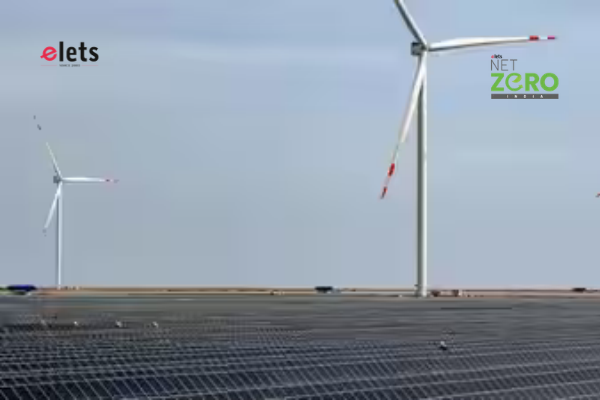
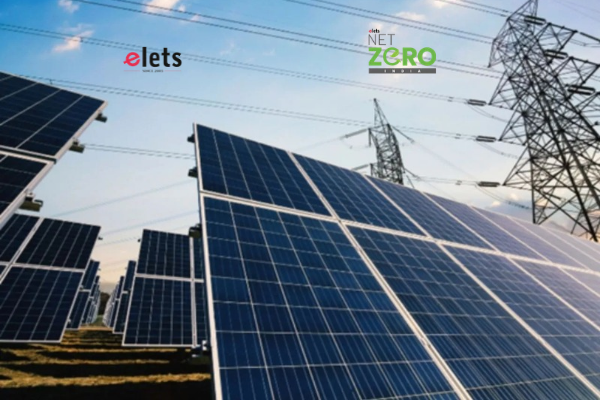
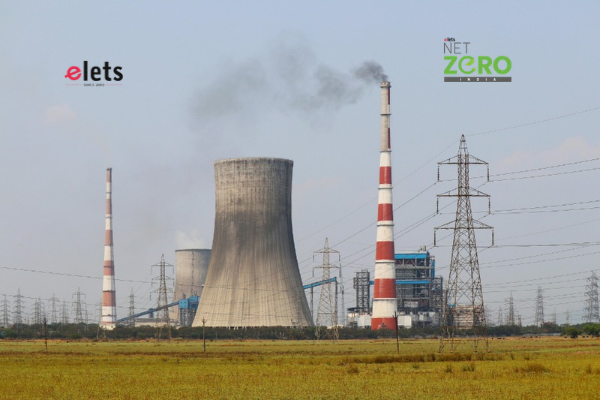
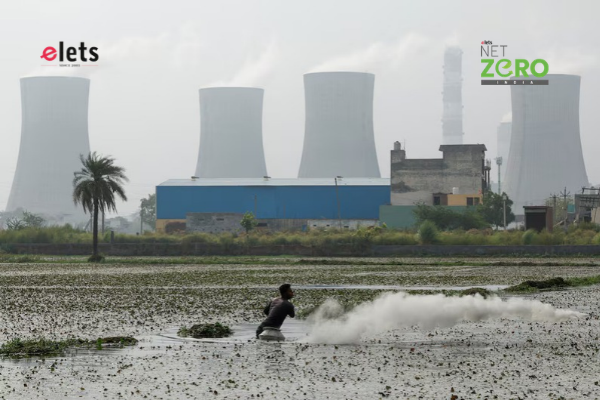
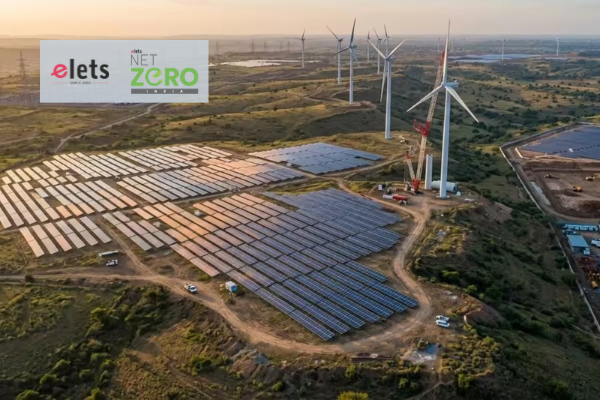
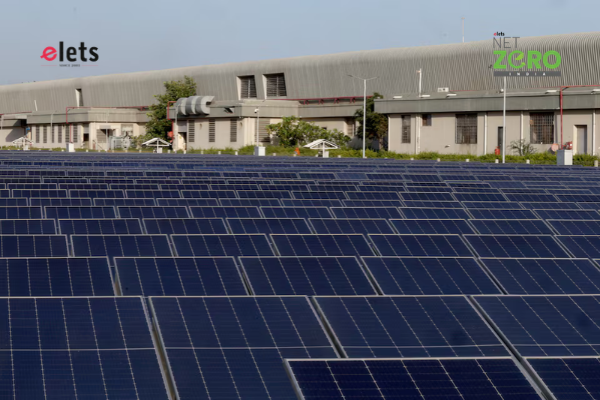
Electricity is becoming the central nervous system of the energy economy. It increasingly connects transport electrification, industrial decarbonisation and digital infrastructure. Coal and thermal power are expected to continue providing firm, dispatchable capacity as renewable generation grows. The priority is therefore coexistence: improving thermal flexibility and efficiency while scaling renewable energy capacity across India, including solar, wind, storage, hydro and nuclear capacity. The next phase of renewable growth will depend less on capacity additions alone and more on integration. Transmission, battery energy storage systems, pumped hydro, forecasting and flexible dispatch are likely to be critical to balancing intermittency and meeting rising electricity demand in India. Smart meters, digital grids and AI-led asset Enhanced oversight can boost transparency, minimise losses, and bolster dependability. The growth of intelligent grids and energy storage technologies will be pivotal in the ongoing evolution of India’s energy landscape. Additionally, cybersecurity and remote oversight are expected to emerge as crucial layers of resilience as the power infrastructure becomes increasingly interconnected.
Manufacturing encounters distinct challenges. Energy-intensive industries require reliable, cost-effective power and high-temperature heat immediately, while simultaneously preparing for a transition to lower-carbon production methods. Key components such as captive power, thermal energy, and petrochemicals are expected to be vital in fostering industrial growth. At the same time, efforts in green hydrogen, renewable sourcing, bioenergy, storage-integrated power, and carbon capture are set to aid in the decarbonisation of industry in India, driving the broader clean energy shift, particularly in hard-to-decarbonise sectors.
Strong access to fuels, feedstocks, and logistics, enhanced by a resilient energy supply chain, is anticipated to be closely linked to the competitiveness of the industrial landscape.
Innovative technologies are essential for manufacturers to navigate these challenges effectively. Advanced tools like AI, digital twins, sensors, and automation play a crucial role in enhancing energy efficiency, optimising yield, throughput, and maintenance across intricate assets. These technologies also facilitate supply-chain mapping, inventory management, and scenario planning during energy disruptions. As international industrial firms bolster their digital engineering capabilities in India, the nation can solidify its position as a hub for manufacturing and industrial innovation while also accelerating the integration of new energy technologies throughout the country.
In all three sectors, the pivotal question is not whether traditional energy or renewable energy will dominate. Both must expand, with technology serving as the connective tissue that integrates them. Companies should start by re-evaluating their strategies and exploring various options, then pilot innovative solutions through collaborations, and ultimately scale up integrated platforms, adaptable grids, and low-carbon industrial clusters. As India’s energy landscape transforms, achieving success will hinge on striking a balance between growth, resilience, and sustainability. This dual-path strategy is poised to influence the long-term energy vision for India and shape the trajectory of the country’s energy transition in the coming years.

Be a part of Elets Collaborative Initiatives. Join Us for Upcoming Events and explore business opportunities. Like us on Facebook , connect with us on LinkedIn and follow us on Twitter, Instagram.
"Exciting news! Elets technomedia is now on WhatsApp Channels Subscribe today by clicking the link and stay updated with the latest insights!" Click here!