 News





Article
India’s Clean Energy Transition: Why Generation Alone Will Not Secure Our Energy Future
India’s Clean Energy Transition: Why Generation Alone Will Not Secure Our Energy Future
![]() By
Samuel Raj 27-November-2026


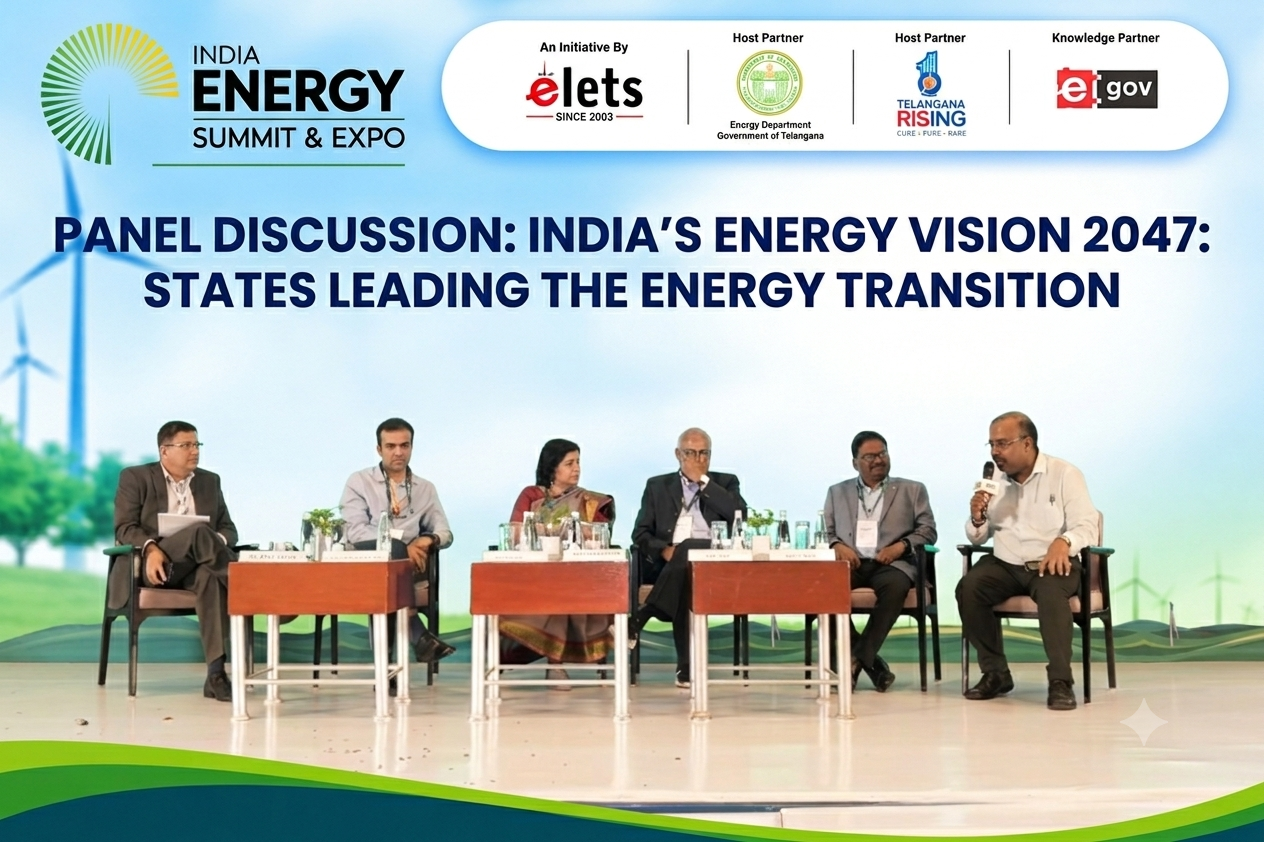
India’s energy transition is entering a decisive phase. Over the past few years, the country has improved in how we generate, but effectively we can store it, distribute it, afford it and make it available when people and industries need it most.
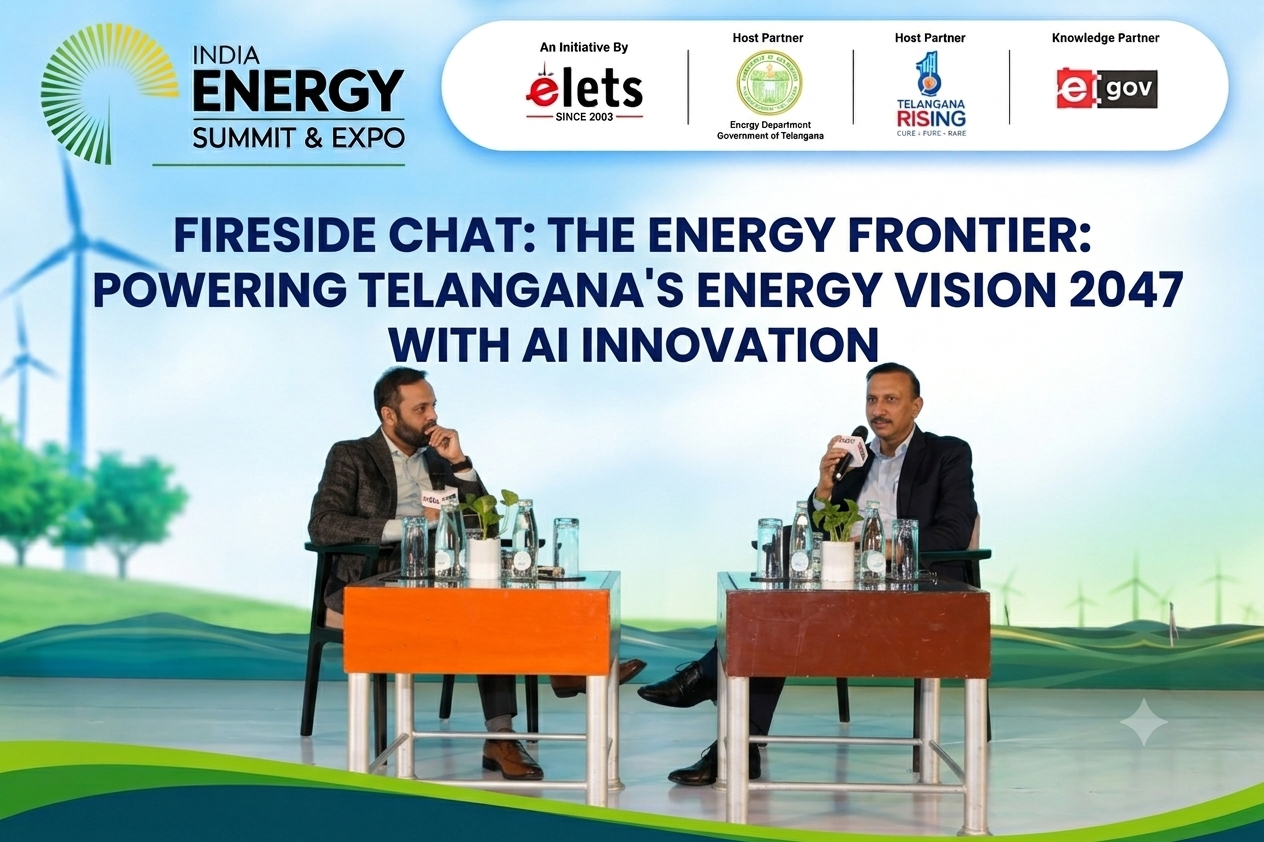
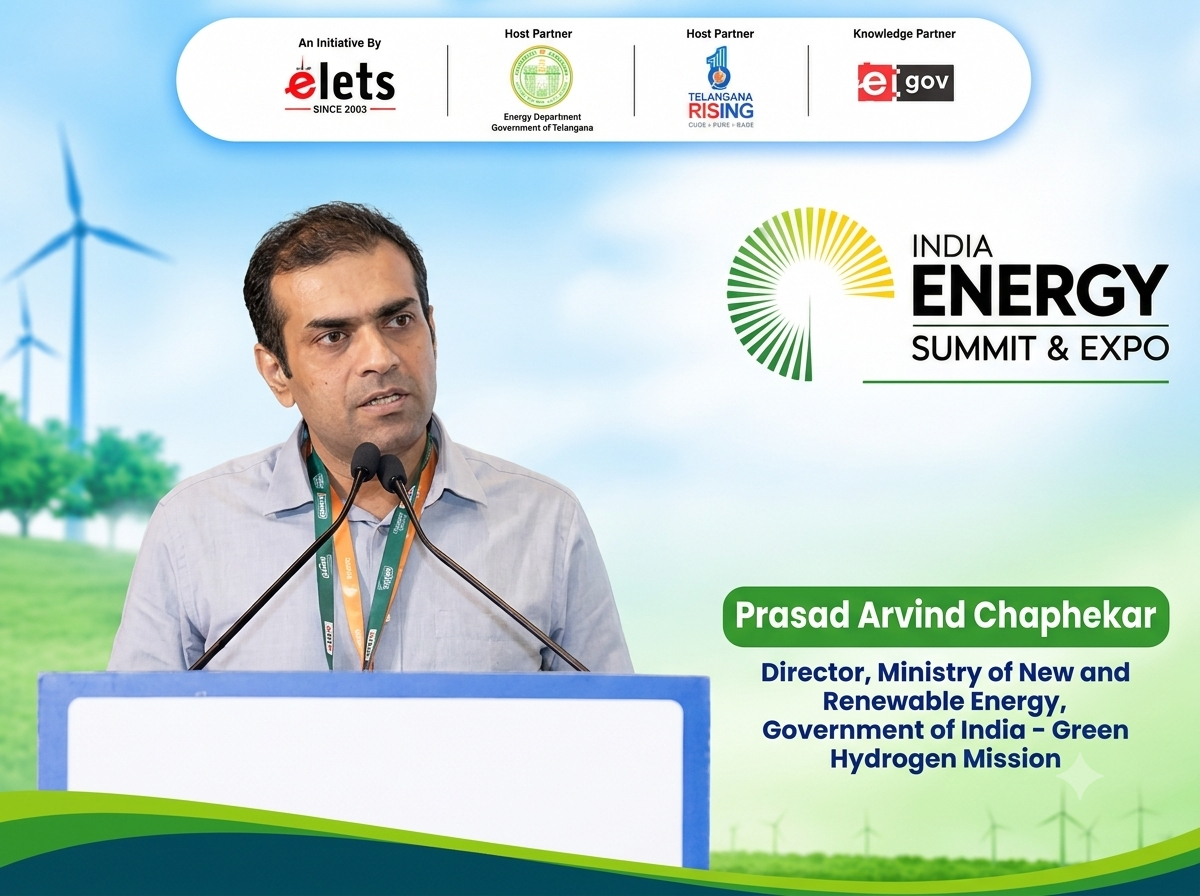
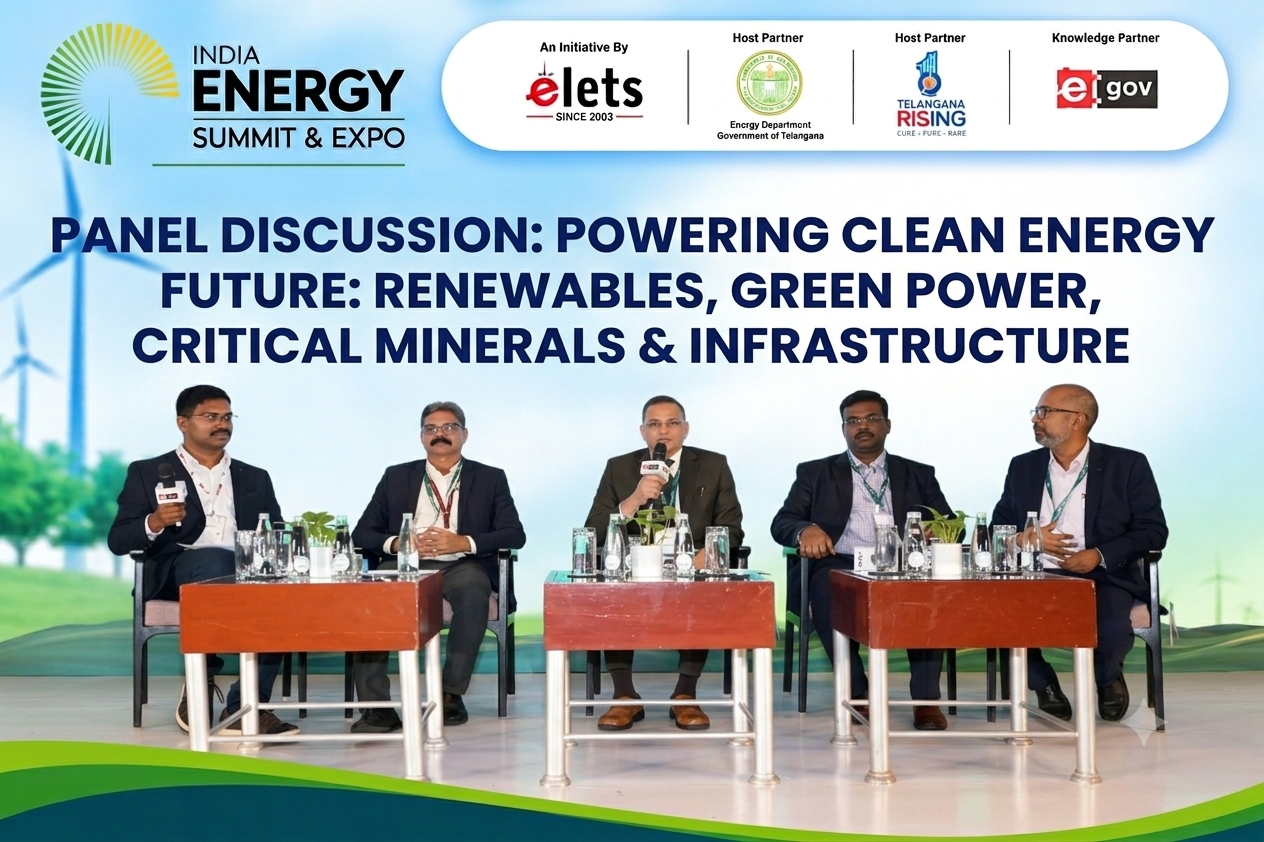
This was one of the central messages that emerged from a recent discussion involving representatives from the Ministry of New and Renewable Energy (MNRE), state power utilities, Energy Efficiency Services Limited (EESL) and the energy research community. The discussion highlighted a fundamental challenge: India must continue reducing its dependence on conventional energy sources while ensuring that the transition does not compromise reliability, affordability or economic growth.

In my view, this is the question that should guide India’s energy strategy over the coming decades. Renewable capacity is essential, but capacity addition alone cannot guarantee energy security. We need a system that combines generation with storage, modern grid infrastructure, efficient consumption, supportive policies and stronger coordination between the Centre, states and industry.
Beyond Renewable Capacity: The Challenge of Reliable Power

India’s renewable energy ambitions are substantial, but the nature of electricity demand makes the transition more complex than simply replacing one source of generation with another. Solar power is generated during daylight hours, while electricity demand often remains high in the evening, when solar generation declines. This creates a mismatch between the availability of renewable energy and the timing of consumption.
The representatives from Chhattisgarh and Odisha highlighted this concern from the perspective of states that have traditionally relied significantly on thermal power. Their experiences demonstrate that the transition must account for regional geography, existing generation infrastructure, electricity demand and the availability of alternative resources.
Chhattisgarh, for instance, faces constraints in identifying land for conventional solar installations because of its forests, mining areas and agricultural requirements. Instead of treating these geographical conditions as insurmountable obstacles, the state is exploring floating solar projects. During the discussion, its representative referred to the identification of approximately 2,000 MW of floating solar potential across 34 reservoirs, alongside plans for pumped-storage projects.
I believe this approach offers an important lesson: India cannot follow a single template for renewable energy development. States must identify solutions suited to their own natural resources, land availability and electricity requirements.
Odisha, meanwhile, is looking to expand its renewable energy capacity while gradually reducing the share of thermal generation. Its representative discussed a target of approximately 10,000 MW of renewable capacity by 2030 and outlined the state’s longer-term planning requirements towards 2047.
These examples reinforce my view that the energy transition must be both ambitious and practical. Every state needs a credible pathway that balances clean-energy targets with the responsibility of keeping electricity available throughout the day.
Energy Storage Must Become a Strategic Priority
If renewable generation is one side of the transition, energy storage is the other. Without adequate storage, a growing share of solar and wind power can make it more difficult to match supply with demand during periods when renewable generation is low.
During the discussion, state representatives emphasised that evening peak demand remains a major concern. Pumped-storage hydropower and battery energy storage systems were identified as important solutions, although both face challenges relating to cost, project development and implementation timelines.
Pumped-storage projects can provide substantial storage capacity, but they often require several years to move from initial planning to commissioning. Battery storage can be deployed differently and is becoming more commercially accessible, yet investment decisions must account for technology costs, performance and the duration for which electricity needs to be supplied.
In my opinion, India should avoid approaching storage as a technology-specific problem. Instead, we should focus on the outcomes the power system requires: how much energy can be stored, how long it can be delivered, how quickly it can respond and at what cost.
One of the recommendations raised during the discussion was to encourage technology-neutral storage tenders. Such an approach could allow different storage technologies to compete according to performance requirements rather than being restricted to a particular technology.
I consider this especially important as renewable penetration increases. Storage requirements may extend beyond short-duration applications, making it necessary to explore a wider range of technologies and solutions.
States must also examine storage at different levels of the electricity network. Large-scale projects can support the wider grid, while storage at substations, feeders and consumer premises may help manage local demand and improve the integration of distributed solar power.
Ultimately, storage should not be treated as an additional component to be considered after renewable projects are planned. It must become an integral part of electricity system planning.
Green Hydrogen: Turning Ambition into Industrial Demand
Green hydrogen represents another important dimension of India’s clean-energy ambitions, particularly for industries that are difficult to decarbonise. The MNRE representative outlined progress under the National Green Hydrogen Mission, launched in January 2023 with an outlay of approximately ₹19,744 crore.
The discussion covered support for green hydrogen and its derivatives, incentives for electrolyser manufacturing, pilot projects in sectors such as steel and shipping, and efforts to create domestic demand for green ammonia. The representative also referred to binding ammonia export contracts involving Indian companies, indicating that commercial interest in the sector is developing.
However, the discussion also made an important distinction between announcing projects and bringing them into operation. Green hydrogen projects require credible buyers, financing and long-term commercial agreements. Where demand is uncertain, developers may struggle to secure the financing needed to begin construction.
I believe this is a crucial lesson for emerging clean-energy industries. Financial incentives and policy announcements can stimulate interest, but they cannot independently create a viable market. Investors need confidence that projects will have customers, that policies will be implemented on time and that commercial arrangements will remain dependable.
States therefore have an important role to play. Clear green hydrogen policies, transparent bidding processes and timely implementation can strengthen investor confidence. Odisha, Gujarat and Tamil Nadu were mentioned in the discussion as examples of states pursuing policies that could attract investment.
In my view, the next phase of green hydrogen development must focus on connecting production capacity with actual industrial consumption. India will need coordination between central programmes, state policies, infrastructure development and private investment if the sector is to move from announcements to large-scale commercial operations.
Energy Efficiency: The Power We Do Not Need to Generate
While much of the energy debate focuses on increasing generation, I believe equal attention must be given to reducing avoidable consumption. Every unit of electricity saved can reduce pressure on generation assets, transmission networks and distribution infrastructure.
EESL’s experience, as shared during the discussion, illustrates the practical value of this approach. Street-light retrofitting programmes were cited as delivering energy savings of around 55–65% in participating municipalities. The discussion also covered more efficient LED lighting, individual light-monitoring systems, electric cooking initiatives and energy-efficiency interventions in industry.
These examples demonstrate that the energy transition is not exclusively about building new power plants or installing renewable energy projects. It is also about improving the way existing assets are used.
Industrial energy consumption deserves particular attention. Energy audits, water audits and energy-intensity mapping can help identify inefficient processes and opportunities for improvement. Yet technical solutions alone are not enough. Businesses must understand the benefits, access the relevant support and have incentives to invest in efficiency.
I see awareness and capacity-building as essential parts of this effort. Policies often look effective on paper, but implementation can falter when consumers, industries or local institutions lack the information and capabilities required to act.
For this reason, energy efficiency should be integrated into industrial policy, municipal planning, public infrastructure and consumer awareness programmes. Reducing demand intelligently can complement renewable generation and help make the entire electricity system more affordable.
Modernising the Grid for a Different Energy System
A power system designed around conventional generation must adapt as renewable energy, distributed solar, electric vehicles and data centres reshape electricity demand and supply.
The discussion highlighted the importance of modern transmission and distribution networks, digital monitoring, advanced grid-management software and improved forecasting. It also drew attention to the growing difficulty of predicting localised demand peaks associated with electric-vehicle charging, cooling requirements and energy-intensive data centres.
In my assessment, these developments make grid modernisation a strategic necessity rather than a purely technical upgrade. A system with more variable renewable generation needs the flexibility to respond quickly to changes in supply and demand.
That flexibility will depend on better information, stronger infrastructure and closer coordination between generation companies, distribution utilities, regulators and market participants.
I also believe demand forecasting must become more responsive to local conditions. National projections provide an important framework, but states have different consumer profiles, industrial requirements, geographical constraints and tariff structures. Their power-system plans must reflect these differences.
A successful transition will therefore require both national direction and state-specific implementation. Uniform ambition is valuable, but practical solutions must account for regional realities.
Financing, Manufacturing and Skills Cannot Be Overlooked
Technology and infrastructure are only part of the challenge. The discussion also raised concerns about financing, domestic manufacturing capabilities and the availability of skilled professionals.
Energy storage, advanced grid technologies and emerging clean-energy solutions require substantial investment. Blended finance, innovative funding mechanisms and appropriate market arrangements could help mobilise capital, but these instruments must be supported by credible project planning and clear implementation frameworks.
Domestic manufacturing is equally important. The panel highlighted gaps in battery manufacturing and assembly, as well as the need to strengthen capabilities in newer technologies. Building renewable generation capacity without developing the supporting industrial ecosystem could leave important parts of the transition dependent on external supply chains.
In my view, India must treat the energy transition as an industrial and employment opportunity alongside its environmental objectives. Manufacturing, engineering, research, maintenance and project development can all contribute to economic growth, provided that the country invests in the necessary skills and capabilities.
This also requires stronger collaboration between government, research institutions, manufacturers and utilities. Emerging technologies will need testing, commercial validation and skilled people who can deploy and maintain them effectively.
A State-Led Transition Supported by National Policy
One of the strongest messages from the discussion was that national ambition must be matched by effective implementation at the state level. Central policies, incentives and procurement programmes can create opportunities, but states ultimately have to translate these frameworks into functioning projects and reliable electricity supply.
I believe the most effective model is one in which the Centre provides a supportive policy environment while states retain the flexibility to respond to their specific needs. A resource-rich state may prioritise one combination of renewable energy and storage, while another may require a different mix based on land availability, demand patterns and industrial activity.
Timely clearances, transparent procurement, realistic demand assessments and dependable contracts are essential to this process. Delays can weaken investor confidence, increase costs and postpone the benefits that projects are expected to deliver.
Equally, coordination must extend beyond government departments. Utilities, private developers, manufacturers, consumers and research organisations all have a role in building a reliable and affordable clean-energy system.
The Way Forward: From Capacity Addition to Energy Security
As I reflect on the discussion, I believe India’s energy transition must now be judged by more than the amount of renewable capacity it adds. The real measure of success will be whether clean electricity can be delivered reliably, affordably and efficiently whenever it is needed.
That will require a balanced approach combining renewable generation, energy storage, green hydrogen, efficient consumption, modern grid infrastructure, stronger manufacturing and practical state-level policies. Conventional generation may continue to play a role during the transition, particularly while storage and other firm sources of low-carbon electricity develop at scale. The challenge is to manage this evolution without compromising reliability or losing sight of long-term decarbonisation goals.
For me, the most important takeaway is that India does not face a choice between expanding energy supply and using energy more intelligently. It must do both. We need to build cleaner sources of power while improving the systems that store, distribute and consume electricity.
The transition will not be achieved through a single technology, one policy or one level of government. It will depend on how effectively these elements work together.
If India can align its renewable ambitions with realistic planning, technological flexibility, energy efficiency and timely implementation, the clean-energy transition can become more than an environmental commitment. It can become the foundation of a more resilient power sector, a stronger domestic industrial ecosystem and a more secure energy future.
——————————–
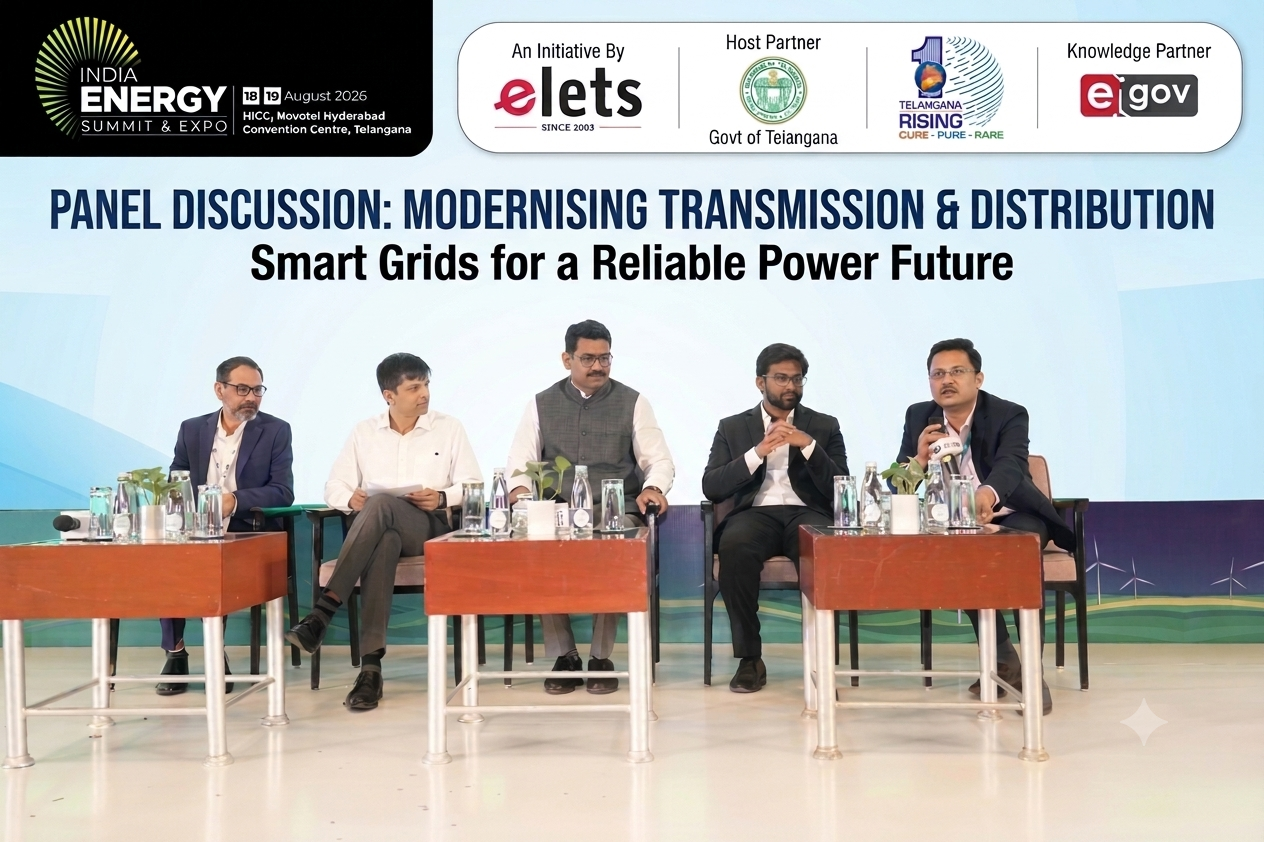
Insights shared by Prasad Arvind Chaphekar, Sanjiv Kumar Katiyar, Girish Tanty, Savitri Singh and Alekhya Datta at the India Energy Summit and Expo 2026, held on 18-19 August 2026, Hyderabad

Be a part of Elets Collaborative Initiatives. Join Us for Upcoming Events and explore business opportunities. Like us on Facebook , connect with us on LinkedIn and follow us on Twitter, Instagram.
"Exciting news! Elets technomedia is now on WhatsApp Channels Subscribe today by clicking the link and stay updated with the latest insights!" Click here!