 News




News
India and Canada explore energy partnership as both sides push to seal trade deal
India and Canada explore energy partnership as both sides push to seal trade deal
![]() By
Samuel Raj 22-October-2026


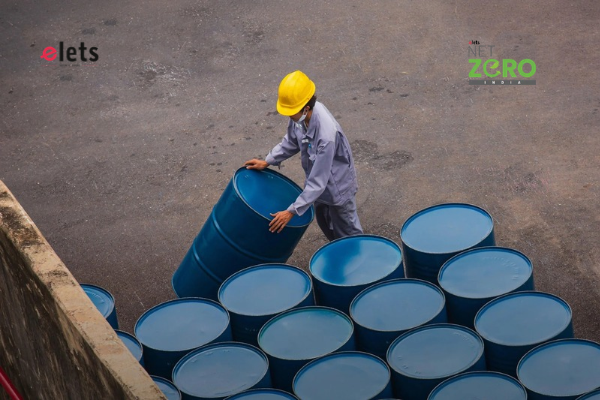
India and Canada may explore deeper energy cooperation while expeditiously concluding negotiations for a comprehensive free trade deal, people aware of the matter said, adding that the countries plan to establish a two-way energy supply chain in which India would import Canadian oil and gas and send refined petroleum products the other way.
A delegation of Canadian negotiators is set to arrive in New Delhi early next month for the sixth round of free trade discussions, as per sources who wished to remain unnamed. Both nations are striving to finalise the Comprehensive Economic Partnership Agreement (CEPA) ahead of Prime Minister Narendra Modi’s anticipated visit to Canada in mid-December, they noted.

The leaders of India and Canada have committed to collaborating in vital sectors, including trade, energy, technology, security, and fostering connections between their peoples, they mentioned.
The Indian High Commission in Ottawa recently confirmed Modi’s trip to Canada on December 11-12.
Developing a strong energy supply chain stands out as a promising avenue for collaboration, according to the sources cited.
Canada’s oil sands rank as the fourth largest oil reserves globally, making the country the fourth-largest crude oil producer, following the US, Russia, and Saudi Arabia. Additionally, Canada holds the position of the fifth largest natural gas producer.
The energy sector, particularly oil, gas, and refined petroleum products, is a key area of focus
India and Canada are well-positioned to create a strong energy supply chain. Canada stands out as a leading producer of oil and gas, while India ranks as the third-largest consumer of crude oil globally, following the US and China. Additionally, India is the second-largest consumer of liquefied petroleum gas (LPG) and the fourth-largest consumer of liquefied natural gas (LNG).
“India and Canada are in talks to establish reliable supply chains in key sectors such as crude oil, LPG, LNG, potash, nuclear fuel (uranium) and refined petroleum products. India is a major refining hub, and it can ensure a supply of fuels and petroleum products to Canada,” one of the people cited above said.
Canada, which is one of the top energy producers in the world, requires refined products in huge quantities because of geographical issues (leading to logistical hurdles) and technical reasons (such as refinery configuration). Most refineries in Canada are not configured to process heavy and bituminous crude extracted from oil sands in Alberta. But some of the Indian refineries can process any type of crude, the people said.
High-level visits help rebuild and deepen bilateral ties
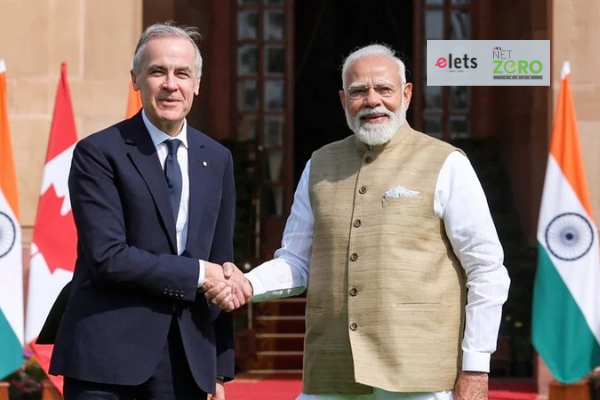
India and Canada are actively enhancing their relationship following the meetings between Prime Ministers Narendra Modi and Mark Carney at the G7 Summit in Canada last June and the G20 Summit in South Africa five months later. This engagement was furthered by Carney’s visit to India in February-March of this year. In May, Commerce and Industry Minister Piyush Goyal spearheaded a trade mission to Canada, representing over 100 Indian companies. This was succeeded by visits from Canadian Foreign Minister Anita Anand and Trade Minister Maninder Sidhu to India in mid-October. Notably, Sidhu was accompanied by a robust delegation of 300 Canadian business representatives, marking the largest Canadian trade delegation to India in three decades.
Negotiations for the India-Canada CEPA are advancing rapidly, with most critical issues concerning the free trade agreement already addressed. Both parties are striving to finalise the trade deal by December, with the ambitious goal of boosting bilateral trade to CAD 50.4 billion by 2030. In 2025, the trade in goods and services between India and Canada reached CAD 21.9 billion, with merchandise trade accounting for CAD 9.8 billion.
Canada is actively engaged in exporting a variety of goods to India, including vegetables, mineral fuels, oils, and wood pulp, with a total value of $3.9 billion (approximately US $2.85 billion). In return, Canada imports merchandise from India valued at $7.08 billion, which encompasses precious stones, metals, machinery, and pharmaceuticals.
The journey towards a Comprehensive Economic Partnership Agreement (CEPA) between India and Canada commenced in New Delhi on March 2, following the signing of the terms of reference by Goyal and Sidhu in the presence of Prime Ministers Modi and Carney. Since then, the negotiations have progressed rapidly, with the inaugural round of virtual discussions taking place in March 2026. This was succeeded by the second round in New Delhi from May 4 to 8 and the third round in Ottawa from July 6 to 10. The fourth and fifth rounds were held in New Delhi (September 14-18) and Ottawa (October 5-9), respectively.

Be a part of Elets Collaborative Initiatives. Join Us for Upcoming Events and explore business opportunities. Like us on Facebook , connect with us on LinkedIn and follow us on Twitter, Instagram.
"Exciting news! Elets technomedia is now on WhatsApp Channels Subscribe today by clicking the link and stay updated with the latest insights!" Click here!