 News




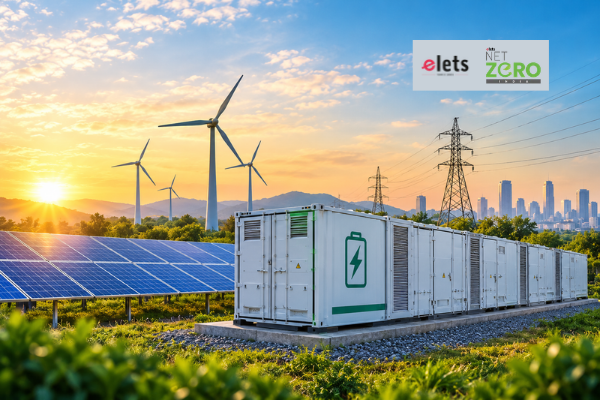
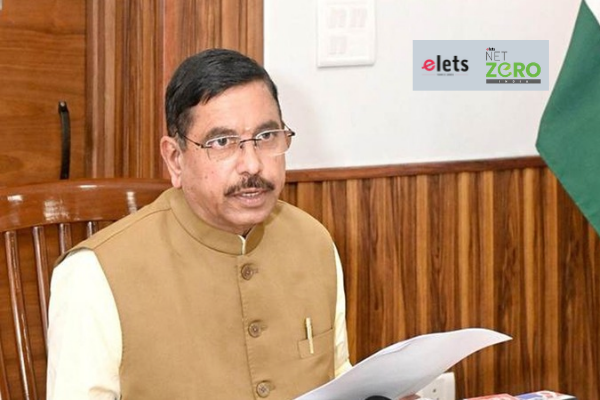
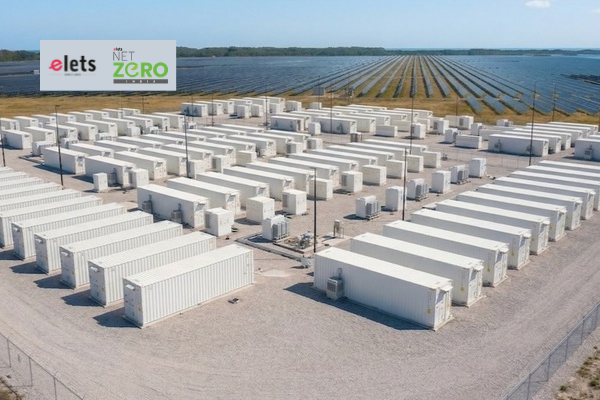
India currently possesses 5.3 GWh of active battery energy storage system (BESS) capacity, with an impressive 185 GWh of additional projects in the pipeline, as noted by Prashant Bhamu, the deputy director of integrated resources planning at the Central Electricity Authority (CEA), which operates under the Ministry of Power.
During his address at the Energy Storage Summit India 2026, Bhamu highlighted that the energy storage market in India is transitioning from merely creating demand and issuing tenders to focusing on construction, commissioning, and integrating with the grid. Key priorities for this next phase include enhancing transmission connectivity, ensuring efficient project delivery, and boosting domestic manufacturing capabilities.

India’s current installed power generation capacity is approximately 560 GW, with around 310 GW derived from non-fossil fuel sources. Bhamu emphasised that the nation has set an ambitious goal to elevate its non-fossil fuel capacity to 60% by 2035, with current figures indicating it has already reached about 55%.
The Central Electricity Authority (CEA) projects a significant need for energy storage, estimating that by 2035-36, India will require around 888 GWh, which includes roughly 80 GW of battery storage and 94 GW of pumped hydro storage.

These statistics underscore the increasing importance of energy storage in facilitating the integration of variable renewable energy sources, addressing peak demand, and delivering essential grid services as India enhances its solar and wind energy capabilities. The CEA anticipates that by 2031-32, the country will need around 236 GWh of storage capacity.
Government backing enhances energy storage development
Bhamu presented a range of strategic policy measures aimed at positioning energy storage as a commercially sustainable component of India’s electricity framework. These measures include viability gap funding (VGF), waivers on transmission charges, mandatory energy storage requirements, and structured procurement processes for battery and pumped hydro initiatives.
Through the government’s VGF initiative for battery storage, an initial budget of INR 90 billion (approximately US$947.6 million) facilitated the installation of 13.2 GWh of battery storage capacity, surpassing the original target of 4 GWh due to decreasing costs, as noted by Bhamu. The central government also allocated around INR 37.6 billion in capital grants.
He highlighted an additional initiative involving a 30 GWh battery storage project, backed by the Power System Development Fund (PSDF). Collectively, these two initiatives contribute to a total of 43.2 GWh of battery storage capacity, as detailed in his speech.
The government has also pinpointed essential infrastructure for pumped hydro storage, such as roads, bridges, and transmission lines, aimed at lowering project expenses. Bhamu noted that these initiatives could positively impact around 15 GW of pumped hydro projects.
Further actions include bestowing infrastructure status upon battery and pumped hydro storage, creating a legal framework for energy storage as a standalone service, and establishing procurement guidelines designed to foster competitive bidding.
Bhamu announced that the government has raised the energy storage requirements for distribution utilities from 1% to 4% of their electricity demand. Additionally, the CEA has recommended that future renewable energy tenders incorporate co-located storage of up to 10% of renewable capacity, ensuring a storage duration of two hours.
Challenges persist with transmission connectivity and cancelled bids
Despite the growth of the project pipeline, Bhamu pointed out that the market faces hurdles such as cancelled tenders and developers retracting their bids after submitting overly ambitious offers.
He noted that some developers proposed prices that were unsustainable, or their projects lacked the necessary grid connectivity, leading to stagnation after the bidding phase.
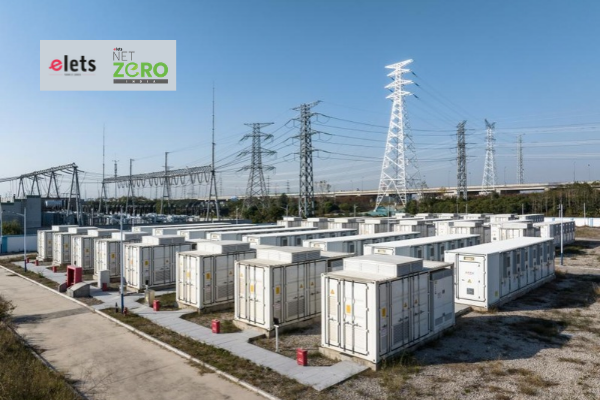
To tackle the connectivity issue, the Ministry of Power has identified approximately 30 GW of transmission capacity available during non-solar hours, according to Bhamu. Developers can leverage this capacity to connect their projects without needing to apply for new connectivity, which could help expedite the deployment of storage solutions.
Additionally, the government has rolled out safety provisions and construction standards for battery storage, which Bhamu indicated are designed to standardise project design, protection, and operational requirements. He mentioned that these standards are set to come into effect in April 2027.
Innovative Approaches to Domestic Manufacturing and Energy Storage
Bhamu said the government was also seeking to develop domestic manufacturing capacity across the battery storage value chain, including advanced chemistry cells (ACC).
He mentioned a newly announced tender for 10 GWh of battery storage manufacturing capacity, designed under a production-linked incentive framework to bolster local supply chains and diminish dependence on foreign technology.
Additionally, a green energy corridor initiative focused on intra-state transmission development is set to facilitate 50 GWh of integrated battery storage, with plans for implementation by 2032-33.
The government has also unveiled a strategic roadmap for around 100GW of pumped hydro storage projects, incorporating measures to support financing, manufacturing, and regulatory approvals.
Emerging Trends in Distributed Storage
Bhamu said the next phase of growth would increasingly involve storage deployed at the This evolution opens up various applications, such as battery systems at substations and distribution feeders, which can enhance asset utilisation and postpone necessary investments in transmission and distribution. Additionally, storage solutions in commercial and industrial settings can bolster grid stability and assist in managing energy consumption during peak demand times. nclude battery systems at substations and distribution feeders to improve asset utilisation and defer transmission and distribution investment. Storage at commercial and industrial facilities could also provide grid support and help manage consumption during peak-demand periods.
He pointed out that time-of-day tariffs could serve as an effective incentive for consumers to charge their storage systems during daylight hours when solar energy is abundant and utilise that stored energy during the pricier evening hours.
The government is actively exploring policy initiatives to promote rooftop solar installations paired with storage solutions, as well as strategies for aggregating distributed storage through cloud-based energy management and distribution system operators.
Bhamu emphasised that the demand for storage will increasingly permeate all segments of the electricity system—generation, transmission, distribution, and consumption—as India continues to ramp up its renewable energy capacity.
With operational battery capacity now quantified in gigawatts and a significant pipeline of projects underway, the emphasis is shifting towards ensuring that awarded projects achieve connectivity, progress to construction, and deliver the essential grid services needed for a robust power system.

Be a part of Elets Collaborative Initiatives. Join Us for Upcoming Events and explore business opportunities. Like us on Facebook , connect with us on LinkedIn and follow us on Twitter, Instagram.
"Exciting news! Elets technomedia is now on WhatsApp Channels Subscribe today by clicking the link and stay updated with the latest insights!" Click here!