 News




News
India Achieves Milestone as the Third-Largest Holder of Renewable Energy Capacity: Pralhad Joshi
India Achieves Milestone as the Third-Largest Holder of Renewable Energy Capacity: Pralhad Joshi
![]() By
Samuel Raj 28-October-2026


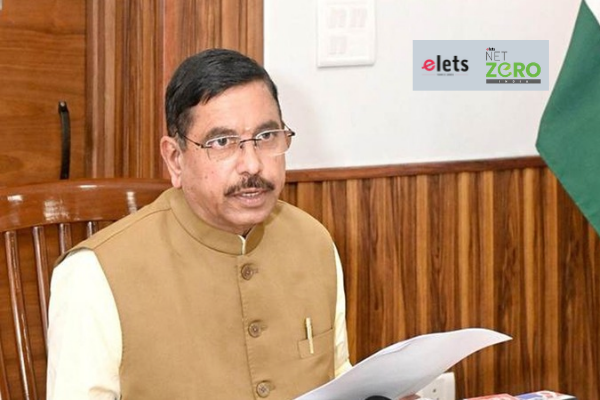
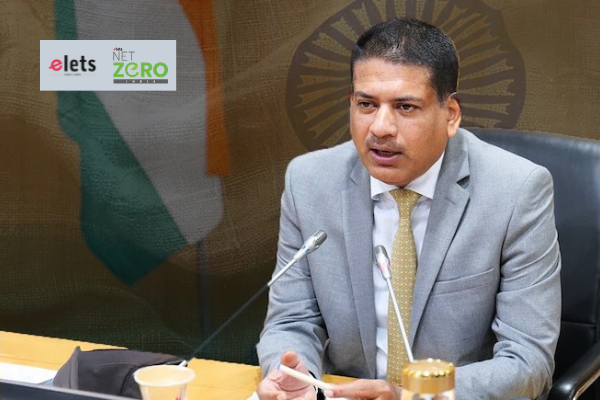
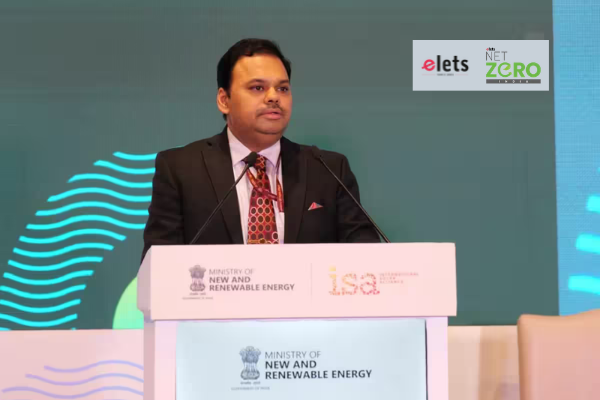
India has proudly claimed the title of the third-largest nation globally in terms of renewable energy installed capacity, surpassing Brazil, as announced by Union Minister Pralhad Joshi on Wednesday.
Referencing the most recent Renewable Energy Statistics 2026 published by the International Renewable Energy Agency (IRENA), the minister highlighted that India now stands in third place, following only China and the United States in overall renewable capacity.

Significant Advancements in Capacity and Energy Production
As of March 31, 2026, India has proudly reached a remarkable non-fossil fuel installed capacity of 283.46 GW, comprising 274.68 GW from renewable energy sources and 8.78 GW from nuclear power.

In the fiscal year 2025-26, the nation achieved an unprecedented addition of 55.3 GW in non-fossil capacity, marking the highest annual growth recorded so far and nearly doubling the previous year’s figures.
Moreover, in June 2025, India celebrated a pivotal achievement by attaining 50% of its total installed power capacity from non-fossil sources, accomplishing this milestone five years ahead of its 2030 goal set under the Paris Agreement.
Renewable Energy Surpasses Half of Peak Demand
In a remarkable milestone, Joshi announced that in July 2025, renewable energy sources fulfilled 51.5% of India’s electricity demand, which reached 203 GW – marking the highest share ever recorded.
In total, renewable energy (including large hydro) accounted for 26.2% of the overall electricity generation in FY 2025-26, while non-fossil sources made up 29.2%.
During this fiscal year, India’s total electricity generation reached an impressive 1,845.9 billion units (BU).
Solar and Wind Propel Growth
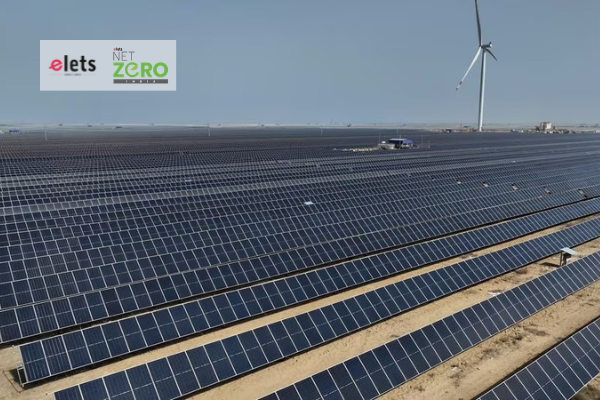
India’s renewable energy landscape is being transformed by solar power, which has skyrocketed to an impressive 150.26 GW—an astonishing increase of over 53 times since 2014. Wind energy has also made significant strides, reaching a capacity of 56.09 GW.
The fiscal year 2025-26 marked a historic peak in solar capacity additions, with a remarkable 44.61 GW added, fuelled by large-scale projects, rooftop solar installations, and initiatives like PM KUSUM.
Rooftop solar, in particular, has emerged as a key player, contributing more than one-third of the total capacity additions.
Wind energy also achieved a milestone with an annual addition of 6.05 GW, reinforcing India’s status as a frontrunner in global wind power.
Renewable Manufacturing and Self-Sufficiency Surge
India has made remarkable strides in enhancing its renewable manufacturing sector. The capacity for solar module production has skyrocketed from 2.3 GW in 2014 to an impressive 172 GW projected for 2026, while the manufacturing capacity for wind turbines has reached approximately 24 GW.
Supportive policy initiatives, including a reduction in GST on renewable energy equipment and incentives for local battery production, have fuelled this expansion, in line with the government’s vision for self-sufficiency.
Transformative Policy Initiatives and Sector Advancements
The Ministry of New and Renewable Energy has rolled out a series of groundbreaking policy measures for FY 2025-26, which include:
- A significant reduction in GST on renewable equipment, slashing it from 12% to 5%
- The introduction of the Renewable Energy Equipment Import Monitoring System (REEIMS) to streamline imports
- The establishment of Virtual Power Purchase Agreements (VPPA) to enhance market flexibility
- A pilot initiative for Contracts for Difference (CfD) to stabilise revenue for renewable projects
- A comprehensive national policy on geothermal energy to harness untapped resources
Additionally, regulatory reforms by the Central Electricity Regulatory Commission (CERC) have markedly enhanced grid accessibility and transmission efficiency.
Innovative Pathways in Green Hydrogen
India is swiftly advancing under the National Green Hydrogen Mission, with a budget of ₹19,744 crore targeting an impressive production of 5 million metric tonnes each year by 2030.
This ambitious initiative is projected to draw investments exceeding ₹8 lakh crore, generate over 6 lakh employment opportunities, and make a substantial impact on reducing carbon emissions.
Key milestones include unprecedented low pricing for green ammonia and hydrogen, the creation of hydrogen hubs, and the implementation of robust certification and safety standards.
Enhancing Infrastructure and Workforce Capabilities
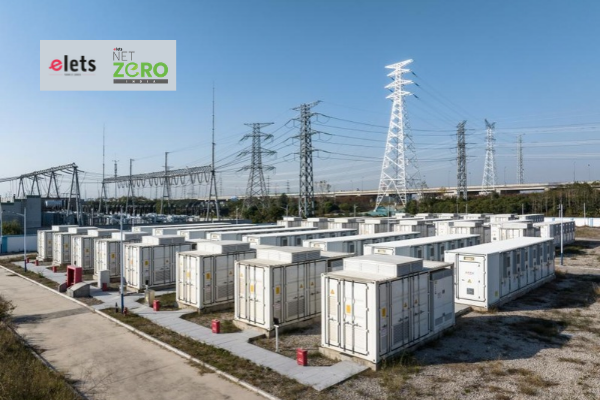
The government has made significant investments to bolster transmission networks via the Green Energy Corridor initiative and has pinpointed renewable energy zones with an impressive potential of 345 GW.
In terms of workforce development, more than 124,000 individuals received training in renewable energy sectors during FY 2025-26, facilitating the swift growth of the industry.
Future Prospects
India aims to reach an ambitious goal of 500 GW of non-fossil fuel capacity by 2030, positioning itself as a frontrunner in the global clean energy landscape.
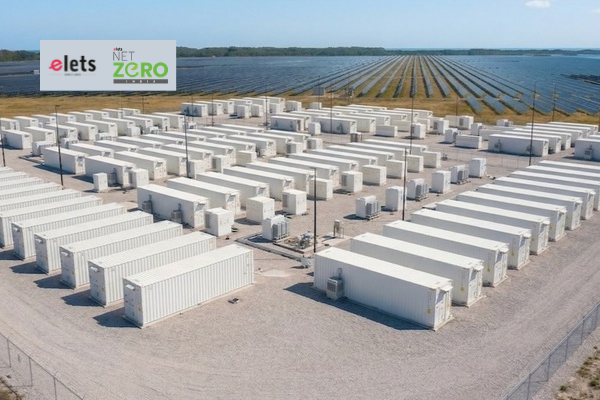
Despite facing hurdles like grid integration, energy storage, and supply chain issues, robust policy backing, innovative technologies, and increasing investments are anticipated to propel the nation’s progress in the renewable energy arena.

Be a part of Elets Collaborative Initiatives. Join Us for Upcoming Events and explore business opportunities. Like us on Facebook , connect with us on LinkedIn and follow us on Twitter, Instagram.
"Exciting news! Elets technomedia is now on WhatsApp Channels Subscribe today by clicking the link and stay updated with the latest insights!" Click here!