 News




News
What Happened to the Batteries? Addressing Localisation Issues in India’s Energy Storage Surge
What Happened to the Batteries? Addressing Localisation Issues in India’s Energy Storage Surge
![]() By
Samuel Raj 26-October-2026


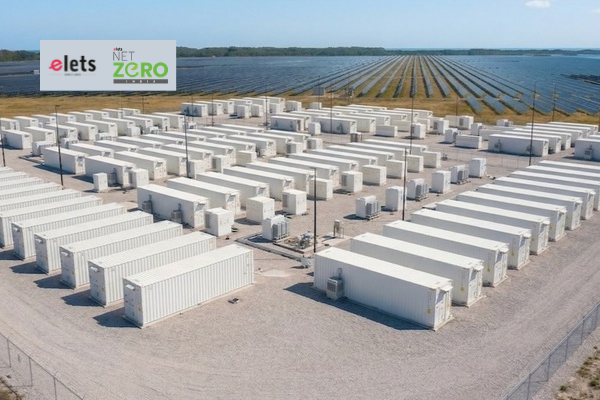
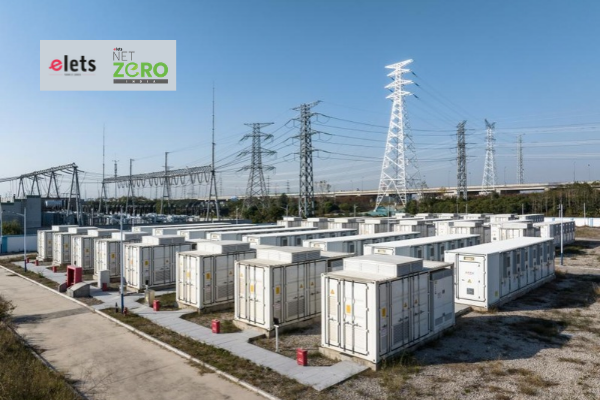
In 2026, India’s energy storage sector is set to experience a significant transformation. As highlighted by InfoLink’s Emerging Market Energy Storage Demand Database, the country is projected to add over 10 GWh of energy storage capacity this year alone—surpassing the total installed capacity from all prior years combined, with cumulative tender volumes exceeding 100 GWh. From the arid landscapes of Rajasthan to the bustling shores of Gujarat, energy storage facilities are emerging at an extraordinary rate.
Yet, a deeper examination of these new installations uncovers a concerning disparity between the rapid deployment and local manufacturing capabilities: essential components, especially battery cells, are predominantly produced outside of India.

The chasm between aspirations and actual outcomes
Recognising the critical need for local battery production, the Indian government took proactive measures. In 2021, it unveiled a substantial production-linked incentive (PLI) scheme worth INR 181 billion, with the ambitious goal of establishing 50 GWh of domestic advanced chemistry cell (ACC) manufacturing capacity. Fast forward five years, and the reality paints a stark picture: by mid-2026, only 3 GWh of cell manufacturing capacity had come online—merely a fraction of the intended target.

At the same time, government initiatives are significantly boosting market demand. As part of the third phase of the Green Energy Corridor (GEC-III) programme, the Indian government has allocated a substantial INR 500 billion (around USD 5.2 billion) to roll out 50 GWh of battery energy storage systems (BESS). This investment aims to facilitate the integration of renewable energy into the grid, with plans for implementation stretching through the fiscal year 2032–33. In a progressive move, the Central Electricity Authority (CEA) issued a draft proposal in September 2026, mandating that all new solar and wind projects launched after July 2027 must incorporate energy storage solutions. As demand driven by policy surges and domestic manufacturing capabilities grow at a sluggish pace, the disparity between these two aspects continues to expand.
Proposed Amendments to the Central Electricity Authority’s Technical Standards for Electric Plant and Line Construction, 2026
- Current Status: A draft has been released for public and stakeholder feedback. The deadline for comments has been extended from October 4 to October 15, 2026.
- Background: In the first quarter of FY2026–27, spanning April to June 2026, India faced a significant challenge as it curtailed 8,133 GWh of solar electricity. This decision stemmed from the grid’s inability to accommodate the excess solar output during midday hours. The resulting surplus during the day, contrasted with a power deficit in the evening, underscores a fundamental imbalance between electricity supply and demand.
Recommended Specifications:
- Energy storage requirements: Solar and onshore wind facilities installed after July 1, 2027, must incorporate on-site energy storage systems capable of delivering at least 10% of the facility’s total power output.
- Storage duration: A minimum of two hours would apply initially, requiring at least 10 MW/20 MWh for a 100 MW plant. For ground-mounted solar and onshore wind plants commissioned after July 1, 2029, and through June 30, 2031, the minimum duration would rise to four hours, requiring at least 10 MW/40 MWh.
- Grid-forming criteria: From July 1, 2027, all newly commissioned renewable energy facilities must ensure that a minimum of 15% of their inverters are outfitted with grid-forming capabilities. Additionally, every Battery Energy Storage System (BESS) power conversion system (PCS) will be mandated to incorporate grid-forming control.
Bridging the divides across various dimensions
In response to these challenges, India is embarking on a unified initiative throughout the entire supply chain, revealing three key components.
The initial focus is on refining the PLI scheme itself. Companies that have received awards are encountering challenges related to equipment imports, technology access, and domestic value addition (DVA) requirements. In response, the government has issued notifications that impose daily fines equivalent to 0.1% of the performance bank guarantee, while also considering practical limitations. In August 2026, the Ministry of Heavy Industries (MHI) approved updated timelines for Ola’s initial 20 GWh allocation and Reliance’s first 5 GWh allocation, extending their eligibility for incentives until 2031. Significantly, the MHI initiated a global tender in July for the remaining 10 GWh of cell manufacturing capacity under the PLI scheme, specifically designated for grid-scale stationary energy storage applications rather than electric vehicle (EV) uses. The deadline for bids has been pushed to November 10, from the original date of October 13. This strategic pivot indicates that New Delhi is acknowledging the unique requirements of stationary storage and electric vehicle batteries, highlighting the necessity for a focused approach.

Be a part of Elets Collaborative Initiatives. Join Us for Upcoming Events and explore business opportunities. Like us on Facebook , connect with us on LinkedIn and follow us on Twitter, Instagram.
"Exciting news! Elets technomedia is now on WhatsApp Channels Subscribe today by clicking the link and stay updated with the latest insights!" Click here!