 News




News
India must enhance battery storage in tandem with renewable energy, say experts
India must enhance battery storage in tandem with renewable energy, say experts
![]() By
Samuel Raj 25-October-2026


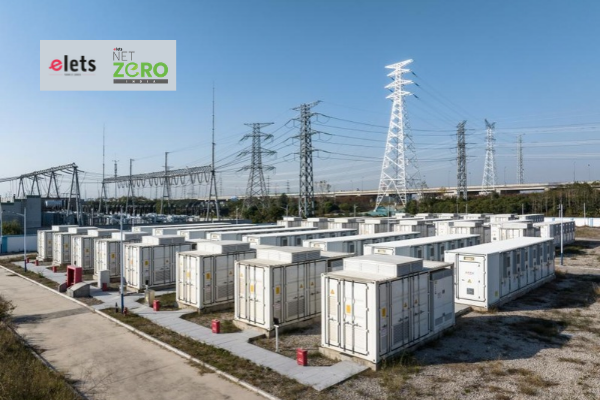
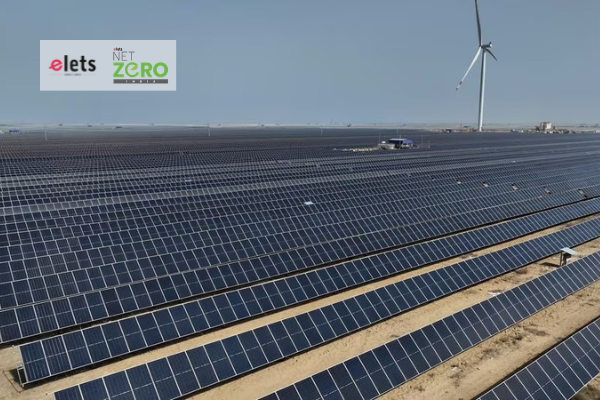
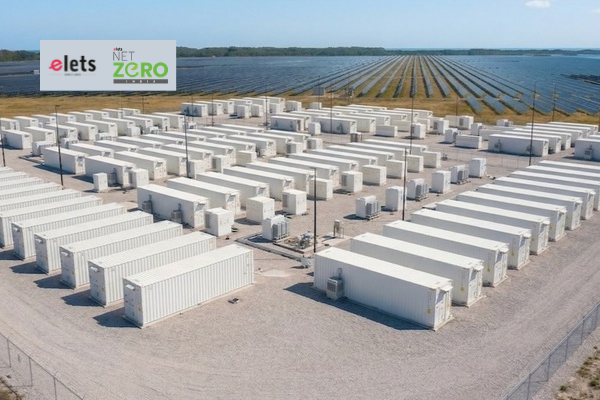
India must significantly enhance its battery storage and grid infrastructure in conjunction with expanding renewable energy capacity to secure a dependable power supply as it strives to achieve its ambitious goal of 500 GW of non-fossil fuel capacity by 2030, experts emphasised during a recent industry gathering.
Having surpassed 300 GW of installed non-fossil fuel capacity, the nation faces the challenge of integrating additional renewable energy into the grid. This integration will necessitate substantial investments in energy storage, domestic manufacturing, and research, according to Jai Asundi, executive director of the Centre for Study of Science, Technology and Policy (CSTEP).

These critical discussions unfolded at the Renewable Energy India Expo, which took place alongside The Battery Show India and the Energy Storage Summit India in Greater Noida.
Yogesh Mudras, the managing director of Informa Markets in India, emphasised the necessity for renewable energy generation and grid storage to develop concurrently as India’s clean energy sector evolves. “We are now in a phase of implementation where both generation and grid storage must grow together,” he remarked, noting that India’s renewable energy capacity is anticipated to hit 486 GW by 2030, while the battery storage market is projected to exceed $8.5 billion by 2031.

Anandi Iyer, director of the Fraunhofer Office in India, highlighted that the global landscape saw an addition of approximately 800 GW of renewable energy capacity in 2025, with worldwide battery storage installations reaching 108 GW, marking a 40% increase from the previous year. She suggested that India and Germany could collaborate on battery research, power electronics, and advanced engineering.
Philip Green, Australia’s high commissioner to India, highlighted the exciting opportunities for partnership between the two countries, combining Australia’s essential mineral wealth and solar innovations with India’s manufacturing capabilities to enhance clean energy supply chains. He emphasised that Australia plays a crucial role, producing more than half of the world’s lithium.
John Swinney, Scotland’s First Minister, expressed that Scotland’s knowledge and creativity could effectively align with India’s vast manufacturing capacity and market potential, aiding the transition to clean energy.
Manu Srivastav, additional chief secretary in Madhya Pradesh’s power and renewable energy department, remarked that decreasing technology costs and economies of scale are making renewable energy increasingly viable compared to traditional power sources.
The vibrant three-day event kicked off on Thursday, showcasing an impressive lineup of over 1,080 exhibitors and 1,400 brands, with contributions from more than 10 countries around the globe

Be a part of Elets Collaborative Initiatives. Join Us for Upcoming Events and explore business opportunities. Like us on Facebook , connect with us on LinkedIn and follow us on Twitter, Instagram.
"Exciting news! Elets technomedia is now on WhatsApp Channels Subscribe today by clicking the link and stay updated with the latest insights!" Click here!