 News
News






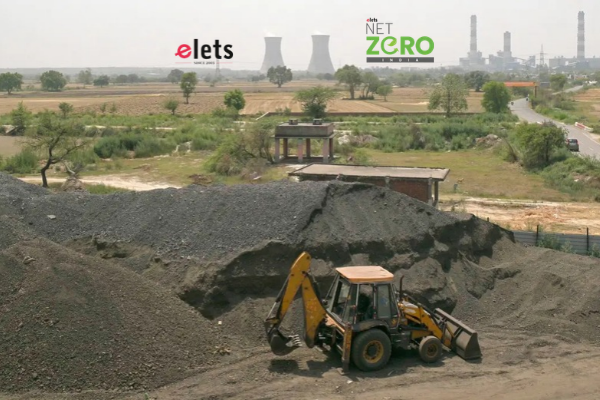
Indian factories, smelters, and households are being hit by blackouts and rising energy costs as the impact of plunging coal stockpiles at the country’s power stations ripples through the economy.
The weakest monsoon since 2015 has curbed hydropower output, while hotter-than-normal weather has buoyed demand for air conditioning and farm irrigation. That’s seen coal-fired power stations, which supply about two-thirds of India’s electricity, rapidly burn through their inventories.

Smaller factories, farmers, and households are facing power cuts as demand outweighs supply on the grid. Meanwhile, large industrial customers—in metals smelting, chemicals, and paper—can’t get enough fuel to produce electricity themselves due to state-owned miner Coal India Ltd. prioritizing deliveries to grid-connected generators.
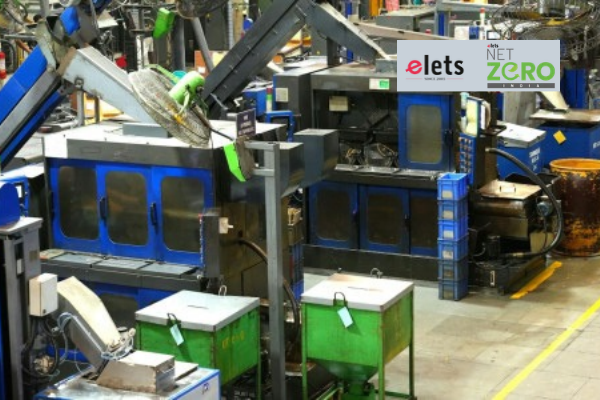
In the central state of Chhattisgarh, small steel mills are grappling with daily power outages lasting between 10 to 12 hours, compelling these facilities to scale back their production, according to Manish Dhuppad, the general secretary of the Chhattisgarh Mini Steel Plant Association.

Mills require an “uninterrupted supply of power,” he said. “Say we have hot metal inside the furnace, and just before we are able to take it out, the power supply goes. By the time it comes back, the material has solidified, and we need to melt it again.”
The ongoing power crisis underscores the growing impact of extreme weather on India’s economy, exacerbated by a notably weak monsoon linked to an unprecedented El Niño. This situation also reveals how the nation’s persistent dependence on fossil fuels hampers its capacity to adapt to climate change.
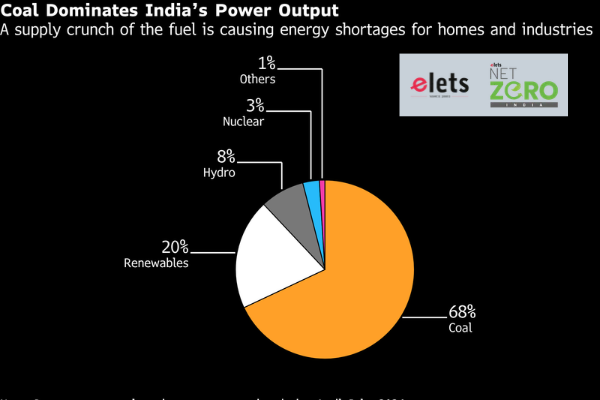
As of October 10, nearly half of India’s coal-fired power plants reported feedstock supplies dwindling to below 25% of what is necessary, according to the power ministry. A late surge of monsoon rains last month in the eastern coal-mining regions worsened the situation, disrupting production and hindering the transportation of coal by rail.
In Punjab, a northern state, both households and industries are grappling with prolonged power outages.
Badish Jindal, the owner of a steel wire factory in Ludhiana, an industrial hub in the region, expressed that the ongoing power outages lasting three to four hours have led to increased energy expenses, forcing his plant to rely on costly backup generators.
“The power cuts are unscheduled,” he said. “That makes it difficult to plan our operations and deliveries and affects product quality. The sudden stoppage and restart of machines as the power supply goes and comes back also raises the risks of accidents.”
The country’s electricity grid has faced an average shortfall of nearly 4 gigawatts a day in the first 10 days of October, data from the Grid Controller of India shows. That’s enough to power about 2 million rural Indian households, according to Bloomberg calculations.
The policy to favor grid-connected power stations has left companies that generate their own coal-fired electricity at a major disadvantage, said Rajiv Agarwal. The nation’s power grid has encountered an average deficit of nearly 4 gigawatts daily during the initial ten days of October, as reported by the Grid Controller of India. This shortfall is sufficient to supply electricity to approximately 2 million rural households in India, according to calculations by Bloomberg, major industrial users. from the grid, he noted. Additionally, they are experiencing delays of several months for rail transport, forcing those with limited operational funds to reduce their production, he added.
In September, the average premiums at Coal India spot sales surged to 94% above the base price, a stark increase from the 59% difference observed in August. Notably, two subsidiaries of the company—Northern Coalfields and South Eastern Coalfields—imposed premiums exceeding 200% at auctions last month, according to data from the miner.
Coal India has yet to respond to a request for comment.
For consumers relying on grid power, electricity bills have escalated across most Indian states in recent years. This increase has been influenced by various factors, including rising coal prices and the expenses associated with upgrading the national electricity infrastructure.
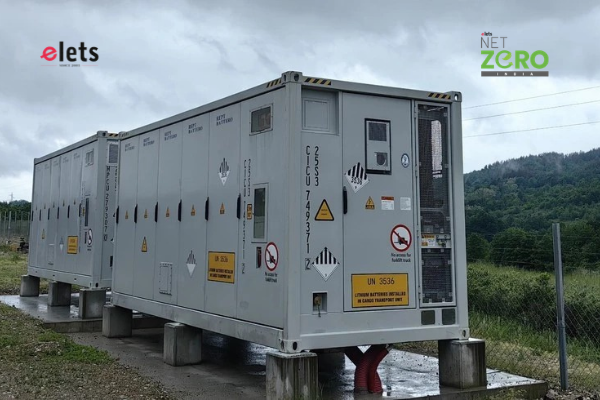
In Uttar Pradesh, the most populous state in India, some villages in the Shamli district are enduring blackouts lasting up to seven hours daily. This situation has led many residents to invest in backup systems capable of powering lights and fans, as shared by Devinder Singh, a local farmer specializing in grain and sugarcane.
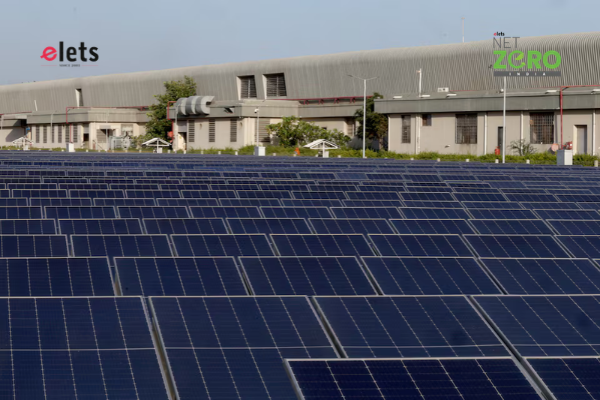
The rapid expansion of solar energy in the country over recent years has ensured that he can irrigate his fields during daylight hours, although challenges arise after sunset, he noted.
“We somehow adjust,” Singh said. “My bigger concern is the rising cost of electricity.”

Be a part of Elets Collaborative Initiatives. Join Us for Upcoming Events and explore business opportunities. Like us on Facebook , connect with us on LinkedIn and follow us on Twitter, Instagram.
"Exciting news! Elets technomedia is now on WhatsApp Channels Subscribe today by clicking the link and stay updated with the latest insights!" Click here!