 News
News





News
A report shows that India wastes 4% of solar power amid power shortages in the month of July and August
A report shows that India wastes 4% of solar power amid power shortages in the month of July and August
![]() By
Samuel Raj 13-October-2026
By
Samuel Raj 13-October-2026


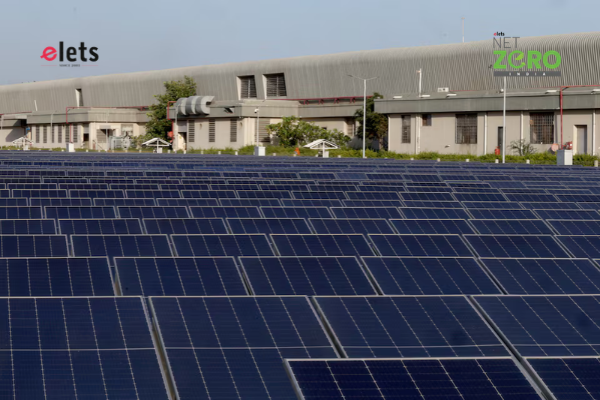
India rejected approximately 1.8 billion units of renewable electricity during July and August, despite facing power shortages and declining coal reserves at power plants amid unprecedented electricity demand, according to a report released on Monday.
Data from the Centre for Research on Energy and Clean Air (CREA) revealed that around 4.2% of total solar generation went unutilized by the grid in July and August, underscoring the shortcomings of the transmission infrastructure.

The findings underscore an escalating hurdle for India as it boosts its renewable energy capacity to achieve its ambitious clean energy goal of 500 gigawatts (GW) by 2030, up from the current 304 GW.
“Despite record renewable generation, significant volumes of renewable electricity continued to be curtailed because of grid and operational constraints,” CREA analysts said.

India, recognized as the third-largest solar power producer globally, experienced a significant reduction of 14% in its solar energy output from April to June, as reported by government statistics.
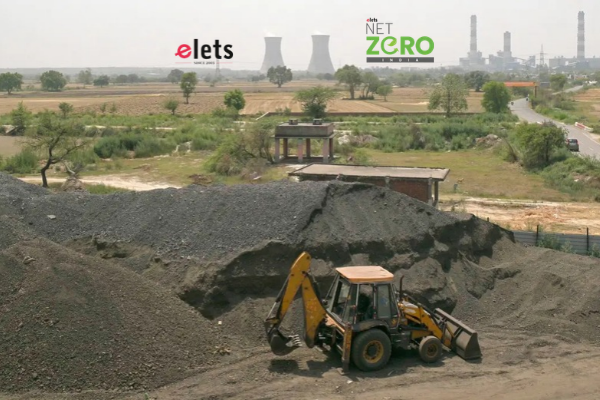
The country’s transmission infrastructure has faced challenges in adapting to the rapid growth of renewable energy, especially solar, which contributes approximately 168 GW—nearly one-third of its total power generation capacity, according to official data.
These limitations on clean energy production occurred despite peak electricity demand reaching 270 GW in July, alongside a notable decline in coal reserves at power plants, as highlighted by the energy research organization.
At the beginning of this month, nearly half of India’s coal-fired power plants reported coal stock levels insufficient for more than four days of operation.
India added renewable capacity at a rapid pace over the past year, helping non-fossil sources account for more than half of the country’s installed power capacity.
During the quarter ending in September, solar energy production surged by an impressive 39% compared to the same period last year, marking a significant milestone as renewable energy generation, excluding large hydro, surpassed 100 billion units for the first time.
Despite this remarkable growth in renewable sources, coal continued to play a crucial role in India’s energy landscape, providing approximately two-thirds of the nation’s electricity. This reliance on coal persisted even amid record levels of renewable generation, driven by increasing energy demands and a notable 20% drop in hydropower output attributed to the El Niño weather phenomenon, which heightened the dependence on fossil fuels, according to the report.

Be a part of Elets Collaborative Initiatives. Join Us for Upcoming Events and explore business opportunities. Like us on Facebook , connect with us on LinkedIn and follow us on Twitter, Instagram.
"Exciting news! Elets technomedia is now on WhatsApp Channels Subscribe today by clicking the link and stay updated with the latest insights!" Click here!