 News
News



News
Odisha Showcases Balanced Energy Strategy at India Energy Summit & Expo 2026
Odisha Showcases Balanced Energy Strategy at India Energy Summit & Expo 2026
State leaders highlight renewable energy expansion, thermal transition and grid modernisation as key pillars of Odisha's long-term energy roadmap
![]() By
Abhineet Kumar 19-August-2026
By
Abhineet Kumar 19-August-2026


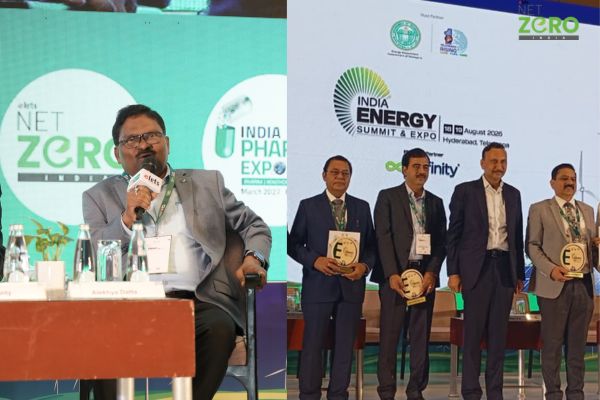
Hyderabad, August 19: Odisha presented its long-term vision for a balanced, reliable and diversified energy ecosystem at the 6th India Energy Summit & Expo 2026, highlighting the state’s strategy to strengthen energy security while accelerating the transition towards renewable energy.
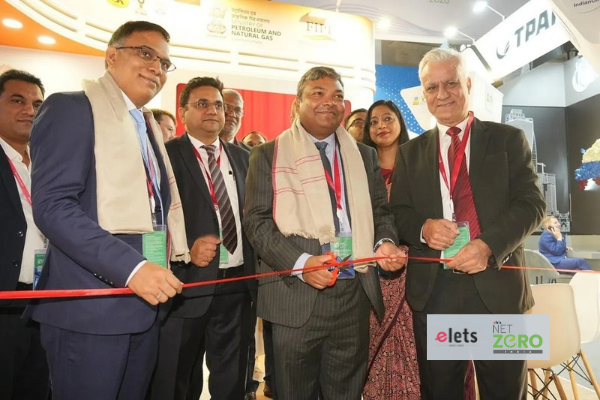
As the Prime State Partner of the summit, the Government of Odisha played a prominent role in discussions on India’s evolving energy landscape, with senior officials from the state’s power sector outlining policy priorities related to renewable energy, thermal power, energy storage and grid modernisation.

Odisha Targets 10 GW of Renewable Capacity by 2030
Speaking during the session, “India’s Energy Vision 2047: States Leading the Energy Transition,” Girish Tanty, Director (Trading & Business Development), GRIDCO Ltd., said Odisha has developed an energy roadmap extending to 2036, with a long-term vision aligned with 2047.
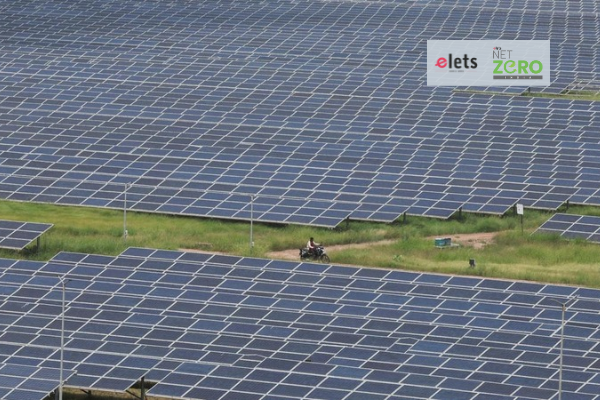
He said the state aims to add 10 GW of renewable energy capacity by 2030 while strengthening its electricity infrastructure to support future industrial growth. Highlighting Odisha’s resource base, Mr. Tanty said the state possesses an estimated 138 GW of solar potential, 13 GW of energy storage potential and nearly 2 GW of wind potential.
However, he noted that the next challenge lies in integrating large-scale renewable energy into the grid while ensuring system reliability.
According to him, achieving this objective will require significant investments in transmission and distribution networks, advanced grid management systems, energy storage technologies and digital solutions.
Balancing Thermal Power with Renewable Energy
Participating in the panel discussion on “Power Generation and India’s Energy Security: Thermal Transition, Hydrogen and Grid-Scale Storage,” Dr Satyapriya Rath, Managing Director, GRIDCO Limited, emphasised that Odisha’s energy strategy is built on maintaining a balance between conventional and renewable energy sources.
“Odisha’s energy strategy leverages its traditional strengths in coal and industrial development while simultaneously accelerating renewable energy deployment to build a balanced, diversified and reliable power system for the future,” he said.
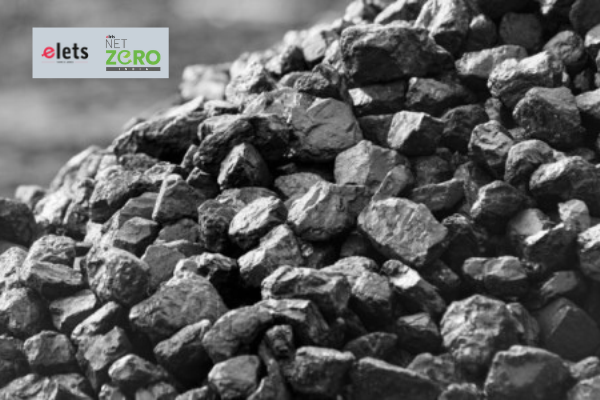
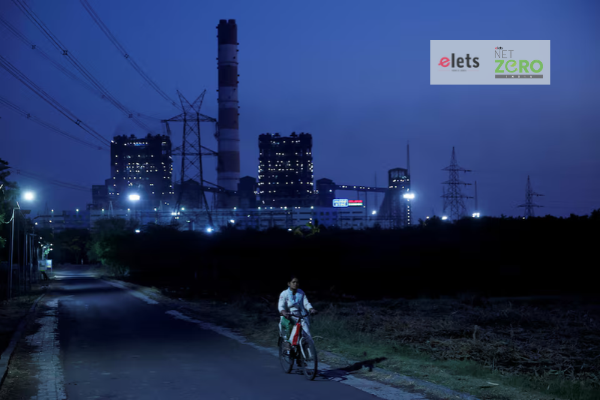
Dr Rath pointed out that Odisha accounts for nearly 35 per cent of India’s coal reserves, making it one of the country’s most important energy-producing states. He said the state currently has nearly 12 GW of captive thermal generation capacity, which continues to support energy-intensive sectors such as steel and aluminium.
At the same time, Odisha has already awarded 10.3 GW of renewable energy projects, bringing it close to its earlier target of 11 GW by 2030. He emphasised that thermal power would continue to play a critical role in maintaining grid stability while supporting the state’s expanding industrial economy.
Thermal Power Must Evolve Through Technology and Flexibility
Kedar Ranjan Pandu, Managing Director, Odisha Power Generation Corporation Limited (OPGC), highlighted the changing role of thermal power in India’s evolving energy ecosystem.
“Thermal power will remain a key part of the energy system for decades, but its future reliability will depend on greater flexibility, digitalisation, efficiency and the ability to operate alongside renewable energy and storage,” he said.
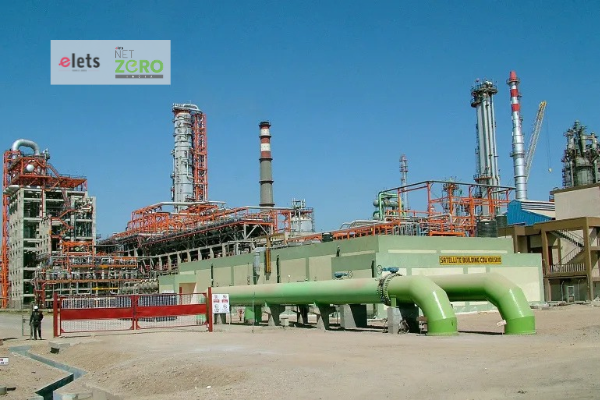
Mr. Pandu said Odisha plans to expand its thermal generation capacity to around 3,000-4,000 MW while improving plant flexibility to accommodate greater renewable energy integration. He noted that conventional power plants must become more adaptable by operating at lower plant load factors and improving their ability to ramp generation up or down in response to fluctuations in renewable energy output.
He also identified artificial intelligence, digitalisation, battery energy storage and pumped storage technologies as critical tools for improving grid management and addressing renewable energy intermittency.
Also Read: PM Modi Launches ₹47,000 Crore Projects in Odisha, Announces Pahadpur as Solar Village
Energy Security Remains Central to Odisha’s Industrial Growth
The discussions at the summit reflected Odisha’s dual approach to energy development: leveraging its vast coal resources to support industrial expansion while simultaneously investing in renewable energy, storage and modern grid infrastructure.
As one of India’s leading mineral and industrial states, Odisha continues to position energy security as a key enabler of economic growth, with policymakers and industry leaders advocating a pragmatic transition that balances sustainability, affordability and reliability.
The deliberations at the India Energy Summit & Expo 2026 highlighted how states such as Odisha are shaping India’s energy transition through policy innovation, infrastructure development and long-term planning.

Be a part of Elets Collaborative Initiatives. Join Us for Upcoming Events and explore business opportunities. Like us on Facebook , connect with us on LinkedIn and follow us on Twitter, Instagram.
"Exciting news! Elets technomedia is now on WhatsApp Channels Subscribe today by clicking the link and stay updated with the latest insights!" Click here!