 News




News
Renewable energy investments mitigated the effects of the West Asia crisis, says PM Modi
Renewable energy investments mitigated the effects of the West Asia crisis, says PM Modi
![]() By
Samuel Raj 03-November-2026


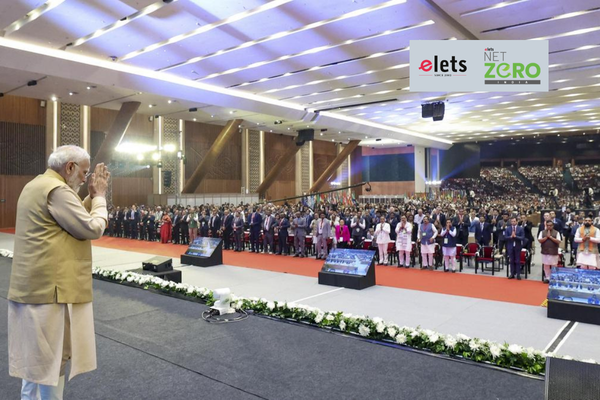
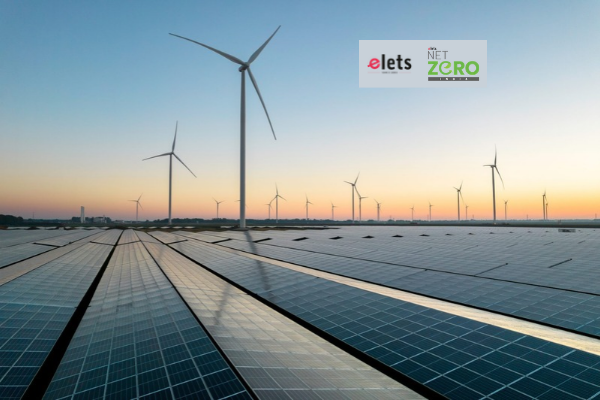
Had India not invested in renewable energy over the past decade, the repercussions of the West Asia crisis would have been significantly harsher compared to the global impact, stated Prime Minister Narendra Modi during the opening of the Bharat Renewable Energy Summit & Expo (2026) in New Delhi on Monday, November 2, 2026. He emphasised that these investments have played a crucial role in shielding the nation from the worst effects of the crisis, highlighting the importance of sustainable energy solutions in ensuring economic resilience.
“Without India’s significant investments in clean energy and the necessary infrastructure, the consequences of the crisis would have been much more devastating compared to other nations,” Mr Modi remarked during his speech. He further noted that India’s economy has managed to thrive even amidst the turmoil.

Renewable energy vision
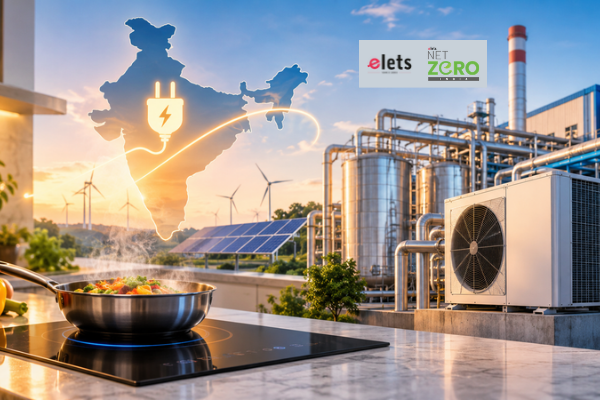
The Prime Minister articulated that the crisis in West Asia serves as a clear illustration of the intrinsic link between energy security and economic stability, asserting that the future of energy security lies in the realm of clean energy.

He cautioned that an overreliance on fossil fuels could heighten vulnerability to global disruptions.
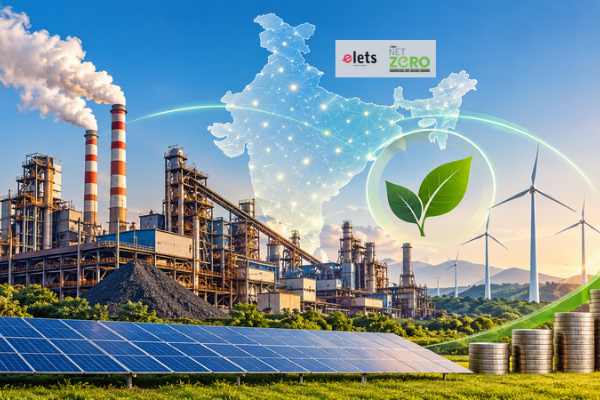
Mr Modi also projected that India’s renewable energy sector is poised to attract approximately $220 billion in investments by the decade’s end.
In his appeal to prospective investors, Mr Modi emphasised that the unique scale, scope, and demand present in India are unmatched in any other region, coupled with a stable political and policy environment.
Solar Transformation
Prime Minister Modi highlighted that the forthcoming stage of the solar transformation hinges on innovation.
He identified prospects in the area of local manufacturing of crucial hardware and battery storage systems, along with improving storage capabilities.
Articulating his vision, the Prime Minister stated, “We need to create an environment where the middle class has access to electric vehicles, enabling them to charge their scooters, bikes, or cars using solar energy. This would significantly reduce their expenses.”
He also noted that the nation will need strategies to promote solar energy use in the dairy industry, livestock management, and agriculture.
Prime Minister Modi noted the remarkable surge in India’s solar module manufacturing, which has escalated from a mere 2 gigawatts (GW) to an impressive 200 GW over the past ten years. Additionally, the capacity for producing solar cells has expanded to approximately 40 GW.
“We are now focused on boosting the local production of various other components as well,” he remarked.
Constructive rivalry
Mr Modi emphasised that India is on a fast track to achieve significant milestones.
“We cannot rest on our laurels; we must swiftly transition every government facility, educational institution, healthcare centre, and the complete street lighting system to solar energy,” he stated.
The Prime Minister also proposed that a spirit of constructive rivalry should be fostered among states and local authorities regarding their achievements in renewable energy implementation, thereby providing motivation for high achievers and inspiring others to catch up.
He mentioned that approximately 44,000 government structures in India now harness solar energy, leading to an impressive annual savings of around ₹700 crore.

Be a part of Elets Collaborative Initiatives. Join Us for Upcoming Events and explore business opportunities. Like us on Facebook , connect with us on LinkedIn and follow us on Twitter, Instagram.
"Exciting news! Elets technomedia is now on WhatsApp Channels Subscribe today by clicking the link and stay updated with the latest insights!" Click here!