 News




News
India Requires $220 Billion Investment to Achieve 500 GW Clean Energy Target by 2030: MNRE Secretary
India Requires $220 Billion Investment to Achieve 500 GW Clean Energy Target by 2030: MNRE Secretary
![]() By
Samuel Raj 27-October-2026


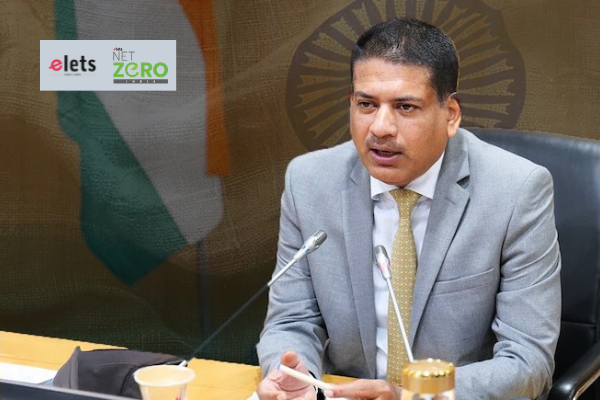
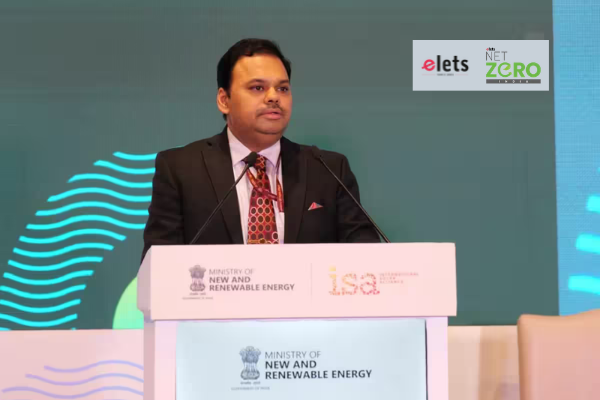
India will need an estimated $220 billion in investment to achieve its target of 500 gigawatts (GW) of renewable energy capacity by 2030, according to Ministry of New and Renewable Energy (MNRE) Secretary Santosh Kumar Sarangi. As reported by NDTV Profit, Sarangi stressed that attracting foreign direct investment (FDI), alongside mobilising domestic capital, will be critical to meeting the country’s clean energy ambitions.
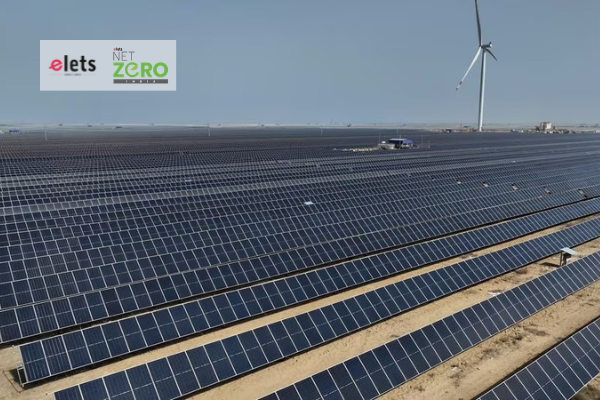
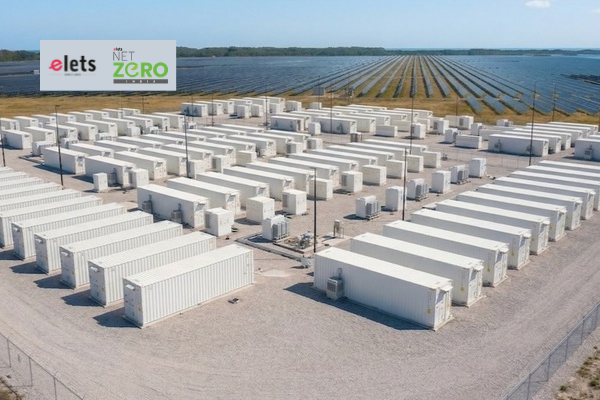
India has already made considerable progress in expanding its renewable energy infrastructure, with installed capacity reaching approximately 310 GW. However, achieving the 2030 target will require sustained investment in generation capacity, grid integration and transmission infrastructure. Managing the intermittent nature of renewable energy while ensuring a stable electricity supply remains a key challenge.

To encourage greater participation from global and domestic investors, the government is preparing to host its largest green energy summit. The initiative is expected to provide a platform for investment discussions, strengthen industry partnerships and accelerate the flow of capital into India’s clean energy sector. Sarangi underlined that foreign investment will be an important contributor, but domestic financing must also play a substantial role in closing the funding gap.
India Strengthens Domestic Renewable Energy Manufacturing

Alongside capacity expansion, the government is working to develop a more self-reliant solar manufacturing ecosystem and reduce dependence on imported components. Discussions between the MNRE and the Finance Ministry are underway to explore incentives for polysilicon manufacturing, an essential stage in the solar photovoltaic supply chain.
Sarangi pointed to India’s potential to develop a domestic polysilicon industry, noting that the country has yet to fully capitalise on its available silica resources. Greater domestic production could help strengthen the solar value chain, improve supply security and create opportunities for investment in advanced manufacturing.
The Production Linked Incentive (PLI) scheme has already supported the expansion of solar module manufacturing. Building on this progress, the government is extending the Approved List of Models and Manufacturers (ALMM) framework to cover more segments of the renewable energy supply chain.
New ALMM guidelines for solar ingots and wafers are scheduled to come into effect in June 2028. The framework is intended to give manufacturers greater visibility and predictability when planning investments. According to Sarangi, the ministry has received declarations indicating around 80 GW of capacity in this segment.
A similar localisation strategy is being pursued for polysilicon production. The government has also introduced ALMM requirements for selected wind turbine components, including generators and gearboxes, with the objective of enabling domestic suppliers to meet equipment requirements associated with 24 GW of wind energy capacity.
On India’s engagement with China, Sarangi highlighted the importance of addressing technology-transfer barriers while learning from China’s experience in scaling up renewable energy manufacturing and deployment. Building domestic technological capabilities will be essential to making India’s clean energy supply chain more competitive and resilient.
Rooftop Solar and Agrivoltaics Expand Clean Energy Opportunities
The government is revisiting the implementation of the PM Surya Ghar rooftop solar programme to encourage wider household participation, particularly among consumers who have yet to adopt rooftop systems.
Approximately 63 lakh households have benefited from the initiative so far, compared with its target of reaching one crore households. Nevertheless, participation is increasing in several states that have stepped up efforts to promote residential solar installations. Andhra Pradesh has recorded around 7.7 lakh participating households, while Bihar has reported approximately 2.5 lakh and Odisha more than three lakh.
Beyond rooftop installations, the government is also looking at agrivoltaics as a way to expand solar generation without necessarily displacing agricultural activity. The approach allows solar panels and farming to coexist on the same land, potentially creating additional income opportunities for farmers while increasing renewable energy production.
Agrivoltaics could be particularly relevant in states such as Bihar, Uttar Pradesh, Odisha, West Bengal, Chhattisgarh and Jharkhand, where the approach may offer opportunities to combine agricultural productivity with clean energy development.
Renewable Power for Data Centres and Emerging Industries
India is also seeking to position renewable electricity as a competitive energy option for electric vehicle (EV) charging infrastructure, global capability centres (GCCs) and data centres. While solar generation can support daytime EV charging, data centres and GCCs typically require reliable electricity around the clock, making consistent power availability a more complex challenge.
Sarangi expressed confidence that India can supply dependable renewable energy at competitive rates, citing a tariff of Rs 5.25 per unit. The availability of cost-effective, reliable clean power could strengthen India’s appeal as a destination for digital infrastructure and other energy-intensive businesses.
The government is also reviewing power purchase agreements signed before recent reductions in the Goods and Services Tax (GST) on solar equipment. The expected reduction in equipment-related costs could create scope for tariff adjustments, depending on the terms of individual agreements and the applicable contractual arrangements.
Green Energy Corridors to Support Future Capacity Growth
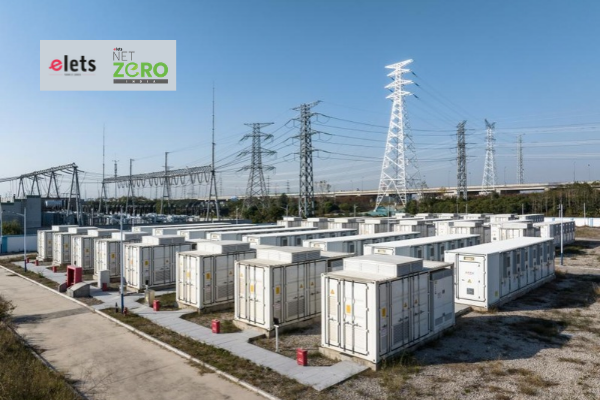
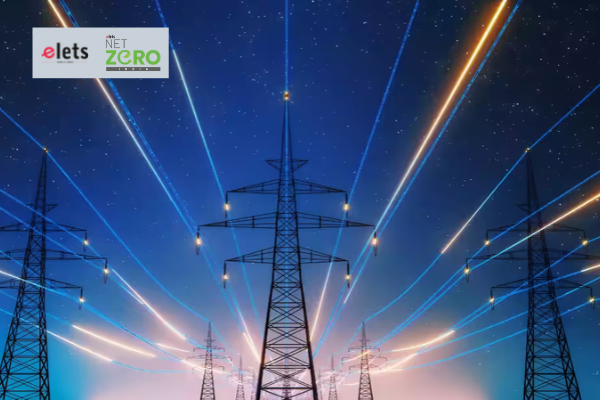
Expanding transmission infrastructure will be crucial to ensuring that new renewable energy capacity can be connected to the grid and delivered to consumers. As solar and wind installations increase, transmission systems must be developed to manage variable generation, reduce congestion and improve the movement of electricity across regions.
The Green Energy Corridor programme is a central part of this effort, with its third phase intended to strengthen intra-state transmission networks. The proposed investment of approximately Rs 54,000 crore is expected to support the transmission of 135 GW of renewable energy over the 2030–2035 period.
The initiative reflects the growing importance of grid infrastructure in India’s energy transition. Achieving the 500 GW target will depend not only on adding generation capacity but also on ensuring that transmission networks, financing mechanisms and domestic manufacturing capabilities develop at a comparable pace.
India’s clean energy ambitions therefore rest on a combination of investment mobilisation, industrial capacity-building and infrastructure expansion. Attracting international capital while strengthening domestic participation and improving grid readiness will be essential to translating the country’s renewable energy targets into reliable, affordable and sustainable power.

Be a part of Elets Collaborative Initiatives. Join Us for Upcoming Events and explore business opportunities. Like us on Facebook , connect with us on LinkedIn and follow us on Twitter, Instagram.
"Exciting news! Elets technomedia is now on WhatsApp Channels Subscribe today by clicking the link and stay updated with the latest insights!" Click here!