 News





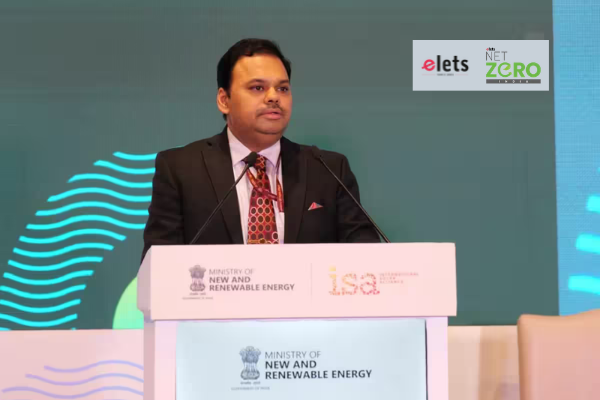
As India aims for its ambitious 500 GW non-fossil energy goal, challenges such as transmission bottlenecks, renewable energy curtailment, and fluctuations in power prices are drawing attention to the need for enhanced grid flexibility, storage solutions, and robust infrastructure. JVN Subramanyam, Joint Secretary at MNRE, shares insights on strategies to tackle these issues, increase battery storage capacity, and promote domestic renewable energy manufacturing. Here are the key points:
In September, renewable energy curtailment impacted 118.6 GW of capacity. What steps is the government taking to mitigate this through transmission upgrades and battery storage?

The issue of renewable energy curtailment is indeed significant, and both the ministry and the government are committed to addressing it. Our approach focuses on two main areas.
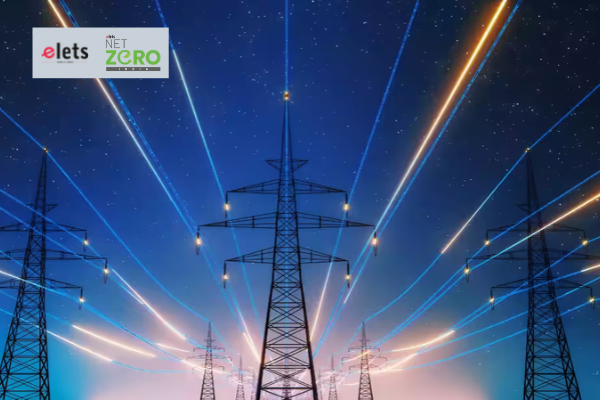
The initial priority is ensuring the prompt completion of transmission lines, especially for significant renewable energy hubs like Khavda. Typically, transmission projects require about 36 months for completion, whereas renewable energy initiatives can be operational in just 12 to 18 months. This discrepancy, along with challenges related to right-of-way and approval processes, has led to a temporary disconnect between renewable energy generation capabilities and the necessary transmission infrastructure.

Recently, new transmission lines have been brought online, and the government anticipates that this gap will diminish in the coming 18 months.
The second area of emphasis is energy storage. Over the last 10 to 11 months, India’s battery storage capacity has surged from approximately 0.7 GWh to nearly 10 GWh. This swift expansion is expected to significantly mitigate renewable energy curtailment.
Both central and state governments are actively investing in storage solutions, including at the distribution level. Collectively, the timely expansion of transmission and increased funding for battery storage are projected to enhance the integration of renewable energy and minimize curtailment.
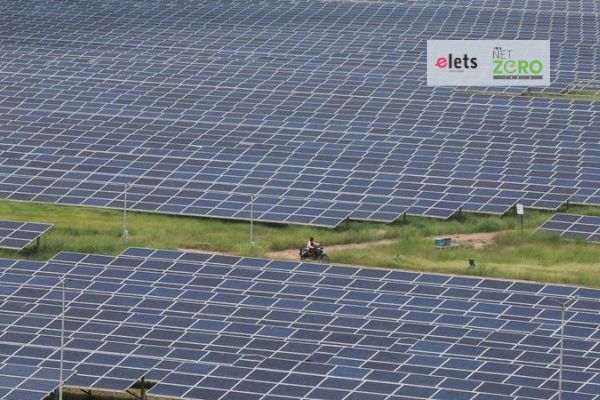
The consistent policy framework has fostered confidence among local and international investors, propelling the growth of the market. In the past year, the annual capacity for renewable energy installations surged from about 23 GW to an impressive 55 GW, with solar energy contributing around 44-45 GW. Both solar and wind sectors have experienced remarkable expansion.
The emphasis now extends beyond merely increasing capacity; it also involves enhancing the transmission, storage, and flexibility necessary for the seamless integration of renewable energy into the power grid.
Spot market electricity prices have experienced significant volatility, plummeting to nearly zero during sunny hours in February and surging to approximately ₹35 per unit in Tamil Nadu during peak demand. What factors contribute to this unpredictability, and in what ways can energy storage mitigate these issues?
Blaming renewable energy reflects a limited perspective. The government is investing in energy storage solutions to effectively shift surplus solar power generated during daylight hours to peak demand times, thus flattening the demand curve. These efforts are expected to bring benefits in the near to medium term, with even greater advantages anticipated in the long run.
When a state faces high electricity costs during a crisis, it highlights the need for better planning rather than a flaw in the technology itself. Such price fluctuations are temporary and reveal the complexities of energy management.
Energy plays a vital role in national security, and clean energy has transitioned from a mere climate necessity to an economic essential. More individuals are embracing clean energy due to its financial advantages, in addition to its environmental benefits.
Through the PM Surya Ghar scheme, approximately 6.3 million households have adopted rooftop solar, with nearly two million enjoying zero electricity bills. A recent independent evaluation indicated that at least 51 per cent of households with rooftop solar received a zero bill in at least one month.
The results clearly illustrate that clean energy offers real economic advantages to consumers, in addition to its role in lowering carbon emissions.
What is the global standing of India’s renewable energy manufacturing sector, especially in terms of decreasing reliance on China and bolstering local supply chains?
The international renewable energy supply chain is currently experiencing a transformation, as nations in the US, Europe, and the Middle East aim to lessen their dependence on China for energy security.
In recent times, India has made remarkable strides in renewable energy production. Notably, in the wind energy sector, the nation has achieved a commendable degree of self-sufficiency in nearly all critical components.
When India embarked on its solar manufacturing journey, it had a module production capacity of about 8 GW. Today, that figure has surged to nearly 200 GW. Although there is an excess of module capacity, this indicates the market potential spurred by increasing demand and favourable government initiatives.
The investments have proven fruitful. The cost of imported Chinese modules and those produced domestically are now largely on par, a situation influenced in part by customs duties and various trade regulations.

Be a part of Elets Collaborative Initiatives. Join Us for Upcoming Events and explore business opportunities. Like us on Facebook , connect with us on LinkedIn and follow us on Twitter, Instagram.
"Exciting news! Elets technomedia is now on WhatsApp Channels Subscribe today by clicking the link and stay updated with the latest insights!" Click here!