 News





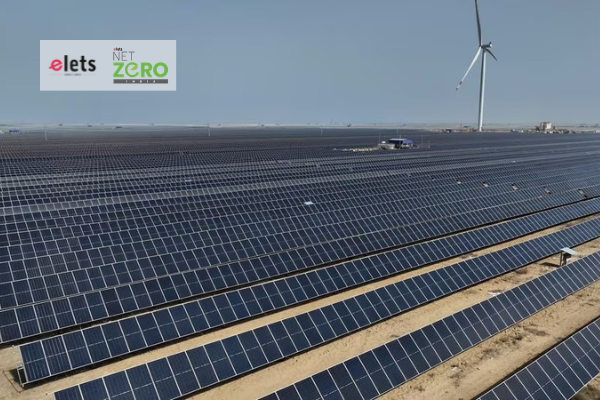
India is embarking on an exciting new chapter in its energy transition. The nation has made remarkable strides in boosting renewable energy capacity, but the next hurdle is to seamlessly integrate this capacity into the power grid. With electricity demand projected to soar to nearly 1,707 billion units in FY26 and peak demand hitting an unprecedented 270.8 GW, the intricacies of grid management are becoming increasingly complex. Notably, non-fossil energy sources now represent over 54% of the total installed capacity, showcasing India’s swift pivot towards cleaner energy alternatives. Consequently, the emphasis is shifting from merely increasing generation capacity to developing market mechanisms that can adeptly balance a more dynamic grid.
This shift is mirrored in the transformation of electricity markets. India’s short-term power market has experienced rapid growth, outpacing overall electricity consumption in recent years. The volume of exchange-traded power has surged from under 3 billion units in the early days of market development to over 168 billion units annually, establishing exchanges as vital platforms for price discovery and procurement. The increasing involvement of generators, distribution companies, traders, and open-access consumers underscores the growing significance of market-driven solutions in fulfilling India’s energy requirements.

As more participants engage in the market, the importance of achieving effective price discovery grows significantly. Currently, liquidity is spread across various power exchanges. Although the competition among these exchanges fosters innovation and enhances services, this fragmentation can lead to varying market results, even when the underlying supply and demand conditions are similar.
To tackle this issue, market coupling aims to unify bids from different exchanges through a shared market-clearing process. Rather than having prices set independently at each exchange, the market identifies a singular, efficient outcome derived from the collective pool of buyers and sellers. This approach enables a more effective allocation of available supply and contributes to maximising economic welfare throughout the market.

The advantages of this strategy have been clearly illustrated through CERC’s shadow pilot initiatives. The evaluation of day-ahead market coupling revealed welfare benefits of around ₹38 crore, along with an extra 52 million units of power successfully cleared during the pilot phase. Comparable assessments in the real-time market (RTM) demonstrated enhancements in market efficiency, effectively minimising price discrepancies and fluctuations. These results underscore the importance of advancing market integration as India’s power infrastructure continues to grow.
In a power system increasingly reliant on renewables, the significance of market coupling escalates. The production of solar and wind energy is inherently unpredictable, varying greatly with changing weather patterns. Concurrently, electricity demand experiences daily fluctuations, necessitating ongoing adjustments to align generation with consumption.
India is currently experiencing the unfolding of these market dynamics. The surge in solar energy production during daylight hours is driving down electricity prices, while peak demand in the evenings often leads to a sharp rise in costs. These price fluctuations highlight the growing importance of flexibility, energy storage, and responsiveness from consumers.
A coupled market enhances these signals by granting access to a broader and more dynamic pool of participants. Improved liquidity allows market players to adjust their positions more effectively and tap into available supply across an extensive network of buyers and sellers. This is especially crucial for integrating renewables, where prompt market reactions are vital for managing forecast discrepancies and adapting to shifting system conditions.
The swift expansion of the Real-Time Market (RTM) exemplifies this trend. RTM volumes have become one of the most rapidly growing segments of India’s electricity markets, as participants pursue increased flexibility to adapt to evolving grid conditions closer to the time of delivery. With the ongoing rise in renewable energy sources, the significance of liquidity in real-time and near-real-time markets is expected to escalate even further.
Market coupling plays a pivotal role in optimising the use of transmission infrastructure and generation assets across different regions. Often, renewable energy sources are clustered in certain states, while the demand for electricity may arise in entirely different areas. An integrated market facilitates a smoother flow of electricity from regions with surplus generation to those facing deficits, all within the constraints of the existing network.
As innovative technologies like battery energy storage systems, pumped-storage facilities, and demand-response solutions gain prominence in the energy landscape, the value of this integration becomes even more pronounced. Enhanced and more accurate price signals create stronger incentives for these technologies to operate at times when they can provide the most significant benefits to the grid.
In this context, market coupling transcends the simple goal of establishing a unified market-clearing price. It aims to foster a more expansive marketplace where energy, flexibility, and reliability are effectively recognised and valued as the electricity system evolves and becomes increasingly complex.
Market coupling is a crucial element in the ongoing transformation of India’s electricity markets. In conjunction with new initiatives like capacity markets, carbon credit certificate trading, virtual power purchase agreements (VPPAs), and electricity derivatives, it can lay the groundwork for the necessary market infrastructure for the next stage of power sector advancement.
To realise these advantages, it is essential to implement strong governance frameworks, standardised market processes, effective monitoring systems, and sustained investments in transmission networks, forecasting technologies, and digital infrastructure. Additionally, it is vital to maintain competition and foster innovation while ensuring trust in the fairness and transparency of market results.
India’s aspirations for clean energy hinge not just on the amount of renewable capacity installed but also on the effectiveness of its integration, trading, and consumption. As the power system expands, becoming more reliant on renewables and increasingly dynamic, well-structured electricity markets will be vital for ensuring reliability and economic efficiency.
Market coupling offers a significant opportunity to develop a more robust, liquid, and efficient market that can facilitate this transition. By enhancing price discovery, boosting liquidity, and enabling better integration of renewable energy sources, it can act as a crucial driver for a flexible, competitive, and progressively decarbonised electricity system in India.

Be a part of Elets Collaborative Initiatives. Join Us for Upcoming Events and explore business opportunities. Like us on Facebook , connect with us on LinkedIn and follow us on Twitter, Instagram.
"Exciting news! Elets technomedia is now on WhatsApp Channels Subscribe today by clicking the link and stay updated with the latest insights!" Click here!