 News
News




News
India Pushes Cleaner DME Fuel to Reduce LPG Imports and Strengthen Energy Security
India Pushes Cleaner DME Fuel to Reduce LPG Imports and Strengthen Energy Security
![]() By
eletsnetzerofinal2025 18-May-2026
By
eletsnetzerofinal2025 18-May-2026


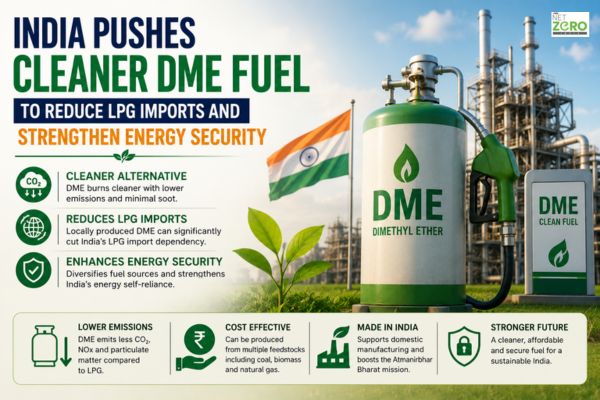
India is accelerating efforts to develop Dimethyl Ether (DME) as a cleaner alternative fuel, aiming to reduce dependence on imported Liquefied Petroleum Gas (LPG) and strengthen long-term energy security. The initiative is expected to support domestic fuel production while lowering the country’s import burden and foreign exchange outflow.
Researchers are working on creating a practical pathway for integrating DME into India’s existing energy ecosystem by using locally available resources.

CSIR-NCL Leading Development Efforts
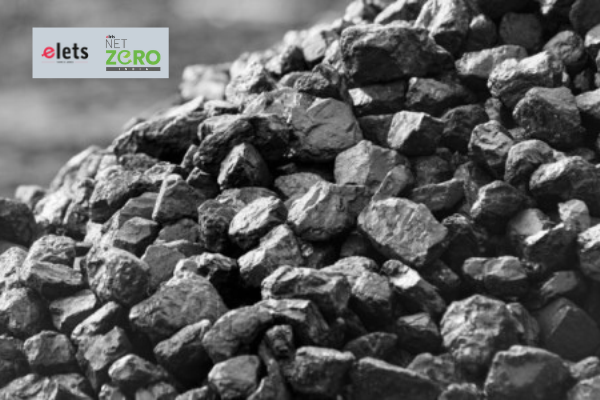
Scientists at the CSIR-National Chemical Laboratory in Pune are leading research on DME as a substitute for LPG. The fuel can be produced using domestic resources such as coal, biomass and methanol, opening new possibilities for indigenous energy production.

Researchers believe DME can be blended with LPG without significantly altering its performance for consumers.
Initial Rollout to Focus on Blended Fuel
The proposed approach involves blending:
- 20% DME
- 80% LPG
Officials involved in the project believe this strategy can help reduce fuel imports while allowing consumers to continue using existing LPG cylinders and cooking systems without major modifications.
The approach is expected to ease transition challenges and support gradual adoption.
Part of Broader Energy Security Goals
India’s push for DME aligns with wider efforts to promote energy independence and reduce import dependence through alternative fuel technologies.
The country has been investing in cleaner and domestically sourced energy options through multiple policy initiatives and research programmes. DME is now emerging as another potential addition alongside alternative fuels such as CNG and other clean-energy solutions.
Existing Infrastructure Could Support Adoption
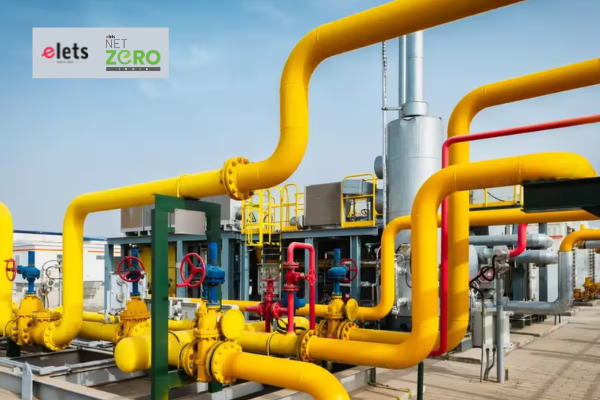
One major advantage for DME is that much of India’s existing LPG storage and distribution network may be used with limited changes.
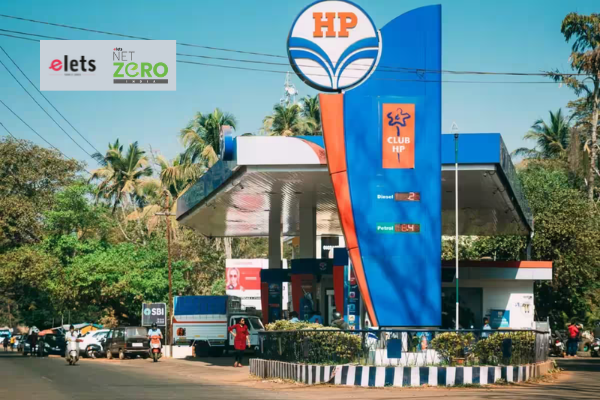
Major energy companies with large distribution systems could play an important role in future deployment and commercial adoption if production scales up successfully.
Challenges Remain for Large-Scale Adoption
Despite its promise, experts note that several hurdles remain before DME can be adopted widely:
- Establishing large-scale production facilities
- Safety certifications and regulatory approvals
- Investment requirements for manufacturing capacity
- Consumer awareness and pricing considerations
Industry observers also note that DME will compete with other emerging clean energy technologies in the years ahead.
Also Read | India Becomes World’s Third-Largest Renewable Energy Capacity Holder, Manufacturing Push Gains Momentum
Towards a More Self-Reliant Energy Future
The DME initiative reflects India’s broader vision of building domestic energy capabilities and reducing external dependence.
While large-scale deployment may still take time, continued research, policy support and investment could help position DME as an important component of India’s future energy mix and support the country’s long-term clean energy and self-reliance goals.

Be a part of Elets Collaborative Initiatives. Join Us for Upcoming Events and explore business opportunities. Like us on Facebook , connect with us on LinkedIn and follow us on Twitter, Instagram.
"Exciting news! Elets technomedia is now on WhatsApp Channels Subscribe today by clicking the link and stay updated with the latest insights!" Click here!