 News
News





News
Gujarat Proposes Virtual Net Metering Up to 4 MW, Expands Renewable Energy Framework
Gujarat Proposes Virtual Net Metering Up to 4 MW, Expands Renewable Energy Framework
![]() By
eletsnetzerofinal2025 02-June-2026
By
eletsnetzerofinal2025 02-June-2026


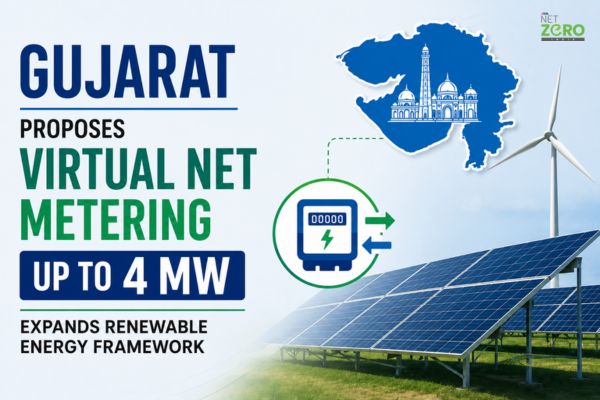
The Gujarat Electricity Regulatory Commission (GERC) has released draft regulations aimed at significantly expanding the adoption of distributed renewable energy across the state. The proposed regulations introduce new mechanisms for renewable energy deployment, expand project size limits, and bring battery energy storage systems into the regulatory framework.
The draft GERC (Grid Interactive Distributed Renewable Energy Sources) Regulations, 2026 will replace the existing rooftop solar net metering regulations introduced in 2016 and provide a broader framework covering multiple categories of renewable energy consumers.

Five Renewable Energy Mechanisms Proposed
Under the draft regulations, consumers will be able to set up renewable energy projects under five different mechanisms:

- Net Metering
- Net Billing
- Gross Metering
- Group Net Metering
- Virtual Net Metering
The proposal is designed to provide greater flexibility for residential, commercial, industrial and institutional consumers looking to adopt renewable energy solutions.
Net Metering Eligibility Expanded to 1 MW
One of the key proposals is the expansion of project size limits under various renewable energy mechanisms.
GERC has proposed allowing Net Metering and Net Billing projects from 1 kW up to 1 MW, significantly increasing the scope for larger rooftop and distributed renewable installations.
For Gross Metering and Virtual Net Metering, projects of up to 4 MW would be permitted, subject to technical feasibility and grid connectivity requirements.
Group Net Metering projects have been proposed for capacities ranging from 6 kW to 1 MW.
Virtual Net Metering Introduced for Larger Consumers
A major feature of the draft regulations is the introduction of Virtual Net Metering, which would allow renewable energy generated at one location to be allocated across multiple consumer connections belonging to the same tariff category within the area of a single distribution licensee.
Under the proposal, Virtual Net Metering projects can range from 100 kW to 4 MW and will require dedicated evacuation infrastructure up to the delivery point.
Industry experts believe the mechanism could encourage wider participation in renewable energy by consumers who may not have adequate rooftop space for solar installations.
Battery Storage Integrated into Renewable Framework
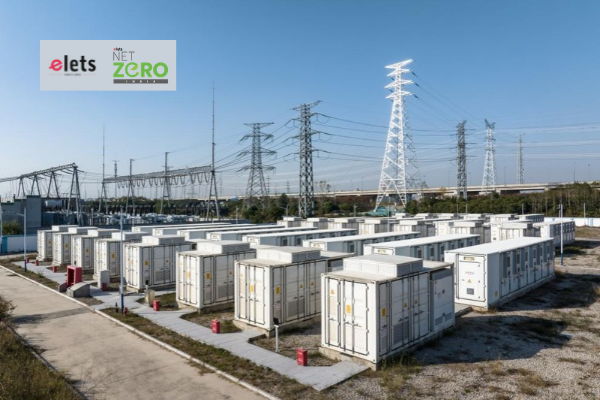
The draft regulations also formally incorporate Battery Energy Storage Systems (BESS) into Gujarat’s distributed renewable energy ecosystem.
To improve grid stability and support higher renewable penetration, GERC has proposed a storage-linked requirement for larger installations.
Consumers with a contract demand exceeding 100 kW and installing renewable capacity beyond their contracted demand would be required to deploy battery storage capable of at least two hours of charging and discharging, covering a minimum of 50 percent of the excess renewable capacity.
The move is expected to support better energy management and improve the integration of renewable power into the grid.
Continued Support for Residential Consumers
The draft regulations retain favourable provisions for residential consumers under the net metering framework.
Consumers will continue to receive full adjustment of exported energy during the billing cycle. In cases where surplus energy remains after adjustment, compensation has been proposed at ₹2.25 per kWh, or at rates determined by the Commission from time to time.
The provision is expected to encourage greater rooftop solar adoption among households across Gujarat.
Defined Timelines for Faster Implementation
To streamline project execution, GERC has proposed a structured approval process covering registration, technical feasibility assessment, connectivity approval, commissioning and meter installation.
The draft regulations prescribe defined timelines for distribution companies and implementing agencies to complete various stages of the process.
In cases of unjustified delays, distribution licensees may be required to pay compensation of not less than ₹500 per day to consumers.
Boost for Gujarat’s Renewable Energy Ambitions
The proposed regulations reflect Gujarat’s continued focus on expanding renewable energy adoption and supporting clean energy investments. By introducing Virtual Net Metering, integrating battery storage, and expanding project capacity limits, the state aims to create a more flexible and consumer-friendly renewable energy ecosystem.
If notified, the new regulations will apply to all future distributed renewable energy applications submitted across Gujarat and are expected to accelerate the state’s transition towards a more sustainable and resilient energy future.

Be a part of Elets Collaborative Initiatives. Join Us for Upcoming Events and explore business opportunities. Like us on Facebook , connect with us on LinkedIn and follow us on Twitter, Instagram.
"Exciting news! Elets technomedia is now on WhatsApp Channels Subscribe today by clicking the link and stay updated with the latest insights!" Click here!