 News




Blog
India’s Energy Sector in 2026: Record Capacity, Real Constraints and the Road to 500 GW
India’s Energy Sector in 2026: Record Capacity, Real Constraints and the Road to 500 GW
![]() By
Samuel Raj 21-October-2026


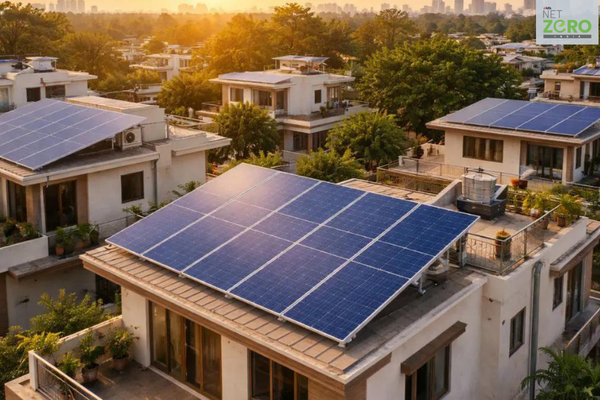
India’s energy story has reached an unusual moment. The country is adding clean power faster than ever, yet the real tests now lie beyond installation: moving that power, storing it and making it dependable around the clock. Here is where the sector stands and what will decide its next chapter.
A Milestone Year for Clean Capacity

The numbers are striking. India’s non-fossil capacity reached 300.5 GW as of 31 July 2026, which is more than 60% of the 500 GW target for 2030. That capacity comprises 164.59 GW of solar, 58.14 GW of wind, 57.24 GW of hydro, 11.75 GW of bio-power and 8.78 GW of nuclear.
The pace has also accelerated sharply. India added a record 55.3 GW of non-fossil capacity in FY 2025-26, against the previous high of 29.5 GW in the year before. Total installed power capacity stood at 552 GW in July 2026, with non-fossil sources making up over 54% of it. India has also overtaken Brazil to become the world’s third-largest renewable energy market, behind only China and the United States.

Capacity Is Not the Same as Generation
Installed capacity and actual electricity supply tell different stories. Of the 1,845.9 billion units generated in 2025-26, non-fossil sources supplied 538.97 billion units, or 29.2%. The gap exists because solar and wind run only when the sun shines and the wind blows, while coal and other thermal plants still carry much of the round-the-clock load.
This is why coal remains central to India’s energy security, even as clean capacity grows. The coming decade is less about replacing coal overnight and more about steadily changing the mix while keeping supply secure and affordable for a fast-growing economy.
The Bottleneck Has Moved to the Grid
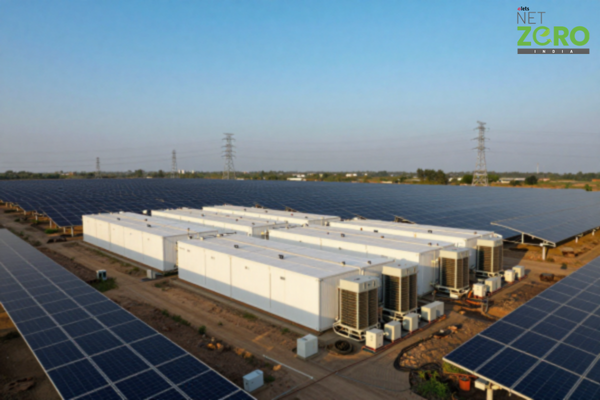
The most urgent challenge is no longer building renewable plants. It is connecting them. An Ember analysis found that India lost about 300 million units of renewable energy to transmission constraints in the first quarter of 2026. The report points to a growing mismatch between the pace of renewable development and the readiness of transmission infrastructure, noting that India has met only about 80% of its annual transmission targets over the past five years.
Around 20 GW of renewable capacity could face connectivity delays of more than four months in fiscal 2026-27. The regional picture varies too: the southern region recorded no transmission-related curtailment, reflecting better alignment between generation growth and grid expansion.
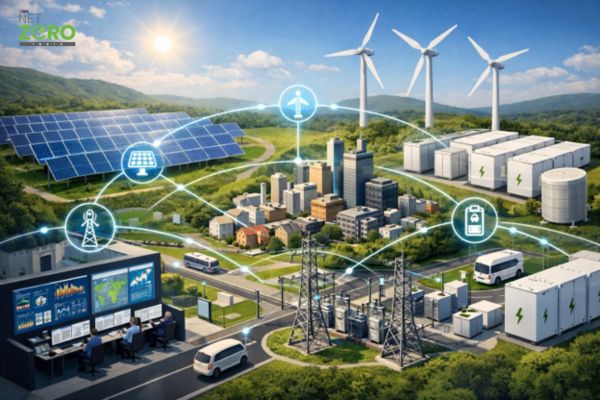
The lesson is clear. Generation, transmission and storage must be planned together, not one after another.
Storage Moves From Tenders to Execution
Energy storage is emerging as the most practical answer to this gap. India had tendered 224 GWh of storage capacity by the end of 2025, including 92 GWh of batteries and 132 GWh of pumped hydro, and 2026 is expected to be the year projects begin operating. Standalone storage accounted for almost 40% of the capacity sought in FY 2025-26 tenders, up from 9% the year before.
Batteries may also help with transmission itself. Ember recommends batteries at pooling stations as a “transmission-as-a-service” measure, calling them the fastest available fix, provided supportive regulation is in place. There are cautions, however. Industry bodies note that export restrictions on battery materials and tighter trade policies could undermine the assumptions behind the very low tariffs awarded in recent tenders.
Manufacturing and Self-Reliance
Building an energy system means building its supply chain. Capacity listed under the government’s approved list for solar PV modules crossed 200 GW as of July 2026, up from 2.3 GW in 2014. Wind turbine manufacturing capacity has reached about 24 GW. Still, analysts caution that the transition’s benefits for reducing external dependence will depend on how quickly India localises upstream segments such as solar cells, wafers and polysilicon.
Power to the People: Rooftop Solar and New Models
Clean energy growth is no longer only about large solar parks. Installations under the PM Surya Ghar: Muft Bijli Yojana are supporting capacity additions, and the Union Cabinet recently approved a programme to develop 5 GW of floating solar projects with co-located storage. Rooftop systems, floating solar and storage-linked projects spread generation closer to consumers and reduce pressure on land and transmission corridors.
What Will Decide the Next Phase
Five priorities stand out:
- Faster transmission. Closing the gap between generation and evacuation capacity is the single biggest near-term need.
- Firm clean power. Storage, hybrid projects and round-the-clock supply must scale from tenders to operating assets.
- Smarter grids. Digital monitoring, forecasting and automation will help operators manage variable supply and new loads such as EVs and data centres.
- Resilient supply chains. Domestic manufacturing and secure access to critical materials will protect both costs and timelines.
- Emerging fuels. Green hydrogen and green ammonia can decarbonise hard-to-abate sectors such as fertilisers and refining, using clean power that grids cannot easily absorb.
The Innovating Fertiliser Production in India Summit 2026, organised by Projects & Development India Ltd. (PDIL) in collaboration with Elets Technomedia, will be held on 27 October 2026 at Holiday Inn, New Delhi. The summit will provide a strategic platform to explore green urea production, green hydrogen and green ammonia, CO2 utilisation, enhanced-efficiency fertilisers, zinc and sulphur-based nutrients, circular economy solutions and the modernisation of fertiliser plants. Bringing together policymakers, fertiliser manufacturers, technology providers, EPC organisations, project developers, investors and industry experts, the summit offers valuable opportunities to exchange insights, showcase cutting-edge solutions and forge partnerships that will shape the future of India’s fertiliser sector. Organisations driving innovation in low-carbon fertiliser technologies are invited to participate as partners, exhibitors and knowledge contributors to engage directly with key decision-makers and industry stakeholders.

Be a part of Elets Collaborative Initiatives. Join Us for Upcoming Events and explore business opportunities. Like us on Facebook , connect with us on LinkedIn and follow us on Twitter, Instagram.
"Exciting news! Elets technomedia is now on WhatsApp Channels Subscribe today by clicking the link and stay updated with the latest insights!" Click here!