
 News
News





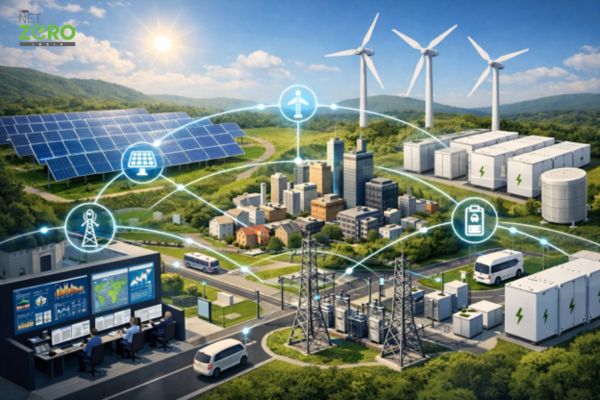
India’s electricity grid is entering a new phase of transformation. Rising electricity demand, rapid renewable energy integration and the expansion of digital infrastructure are reshaping how power systems are managed. Utilities are expected to deliver reliable, uninterrupted power while operating increasingly complex networks with greater efficiency, flexibility and security. Meeting these expectations requires a shift from conventional grid operations to intelligent, data-driven power systems.
India’s peak power demand has crossed 250 GW and is expected to rise steadily over the coming decade as electric mobility, manufacturing, data centres and clean energy deployments gather pace. Simultaneously, the country aims to achieve 500 GW of non-fossil fuel capacity by 2030, making real-time grid visibility and intelligent system management more critical than ever. Technologies such as Supervisory Control and Data Acquisition (SCADA), artificial intelligence (AI), the Internet of Things (IoT), digital twins and predictive analytics are becoming central to building a smarter and more resilient electricity network.
For states such as Telangana, where industrial expansion, IT infrastructure and renewable energy capacity continue to grow rapidly, strengthening grid intelligence is becoming as important as expanding generation and transmission infrastructure.
Telangana’s Digital Grid Journey

Telangana has built a reputation for maintaining one of the country’s more reliable power systems while simultaneously investing in transmission expansion and renewable energy integration. Behind this performance lies a steady shift towards digital monitoring, automated operations and data-driven decision-making.
TGTRANSCO, the state’s transmission utility, has been strengthening its transmission network with modern control centres, digital communication systems and advanced substation technologies. SCADA-enabled monitoring allows operators to observe transmission assets in real time, detect abnormalities quickly and coordinate system restoration with minimal delays. Instead of relying solely on manual inspections and field reporting, engineers now receive continuous operational data from substations spread across the state, enabling faster and more informed decisions.
The increasing integration of renewable energy has further reinforced the need for digital grid management. Solar generation can fluctuate significantly due to changing weather conditions, making real-time visibility essential for balancing supply and demand. Modern SCADA platforms provide operators with live information on voltage, frequency, transformer loading, and line conditions, allowing them to respond almost instantly to system disturbances.
Moving Beyond Traditional SCADA
While conventional SCADA systems were primarily designed for monitoring and remote control, today’s digital grids increasingly combine SCADA with intelligent automation and advanced analytics.
Artificial intelligence is enhancing operational efficiency by analysing large volumes of historical and real-time operational data. Machine learning models identify patterns that may not be immediately visible to operators, helping utilities forecast equipment failures, optimise power flows and improve restoration strategies following network disturbances.
Predictive maintenance has emerged as one of the most practical applications of AI. Instead of servicing transformers, circuit breakers and transmission equipment at fixed intervals, utilities can now use sensor data and AI-driven analytics to determine when maintenance is actually required. This approach reduces unnecessary inspections, lowers operational costs and minimises unexpected equipment failures.
For a rapidly growing state such as Telangana, predictive maintenance improves asset utilisation while extending the operational life of critical transmission infrastructure.
Digital Twins: Creating a Virtual Grid
Another emerging technology attracting attention across advanced utilities is the digital twin.
A digital twin is a dynamic virtual model of physical infrastructure that continuously receives data from field equipment through sensors and communication networks. Engineers can simulate different operating scenarios, study equipment behaviour under varying load conditions and evaluate contingency plans without affecting the actual grid.
As renewable penetration increases and electricity demand becomes more dynamic, digital twins can support planning for transmission upgrades, renewable integration, emergency response and long-term asset management.
Globally, digital twins are increasingly being integrated with AI and SCADA platforms to improve grid resilience and operational efficiency, and similar approaches are expected to become more common across Indian utilities.
Securing the Digital Grid
As power networks become more connected and data-driven, cybersecurity has become a key pillar of modern grid management. Digital substations, control centres and operational technologies constantly exchange large volumes of real-time data, making electricity networks faster and more efficient than ever before. At the same time, this growing connectivity has increased the need to protect critical infrastructure from cyber threats.
Utilities are therefore strengthening their cybersecurity frameworks by adopting secure communication protocols, network segmentation, advanced identity management, intrusion detection systems and continuous monitoring of operational technology (OT) networks. These measures help minimise cyber risks while ensuring uninterrupted grid operations.
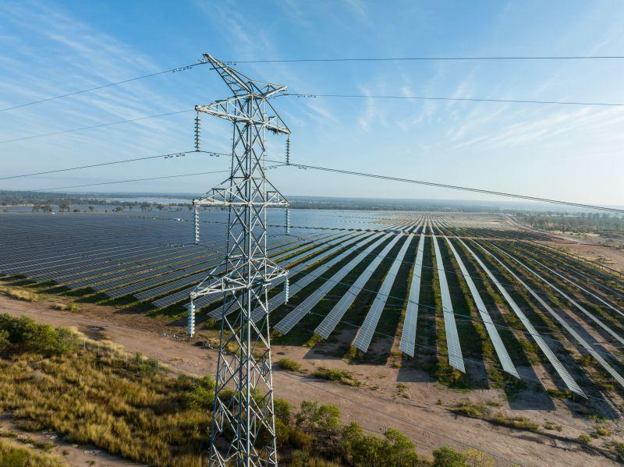
For Telangana, where reliable electricity powers a thriving IT sector, pharmaceutical manufacturing, electronics industries and a rapidly growing data centre ecosystem, cyber resilience has become just as important as physical infrastructure. As the state’s grid becomes more digital, protecting it from cyber risks will remain a critical priority.
India’s Digital Grid Evolution
The digital transformation taking place in Telangana reflects a much larger shift across India’s power sector. With electricity demand rising and renewable energy contributing an increasing share of the generation mix, utilities are investing in technologies that make grid operations smarter, faster and more reliable.
At the centre of this transformation is the Supervisory Control and Data Acquisition (SCADA) system. SCADA enables utilities to monitor generation plants, transmission lines and substations in real time, giving operators instant visibility into grid conditions. It also supports remote control of equipment, quicker fault detection and faster restoration of power during disruptions.
However, the modern electricity grid is no longer dependent on SCADA alone. Technologies such as artificial intelligence, IoT, predictive analytics, digital twins and advanced communication networks are working alongside SCADA to create an increasingly intelligent and automated power system.
Digital Substations
Digital substations are emerging as one of the most important building blocks of India’s next-generation power infrastructure. Unlike conventional substations that depend heavily on copper wiring and manual intervention, digital substations use Intelligent Electronic Devices (IEDs), fibre-optic communication, process buses and IEC 61850 standards to exchange information quickly and securely.
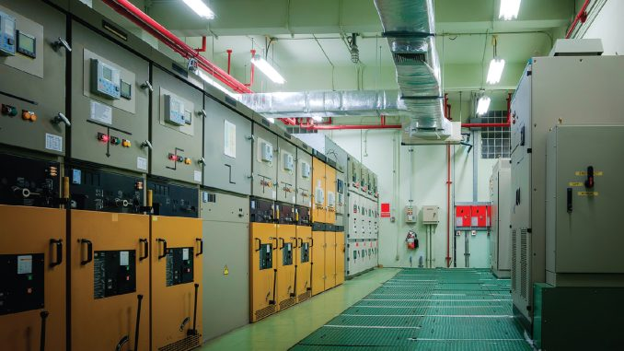
These technologies enable faster protection mechanisms, automated switching, remote diagnostics and seamless communication between different pieces of equipment. They also improve operational efficiency by reducing maintenance requirements, simplifying future upgrades and enhancing overall system reliability.
As India expands its transmission network to integrate renewable energy, strengthen interstate power transfers and support growing electricity demand, digital substations are becoming a critical part of building a more resilient, flexible and future-ready grid.
IoT Brings Real-Time Intelligence
The Internet of Things is rapidly changing the way utilities collect and use operational information. Thousands of connected sensors installed across transformers, transmission towers, switchgear and substations continuously measure temperature, vibration, oil quality, current, voltage, humidity and equipment health.
Instead of waiting for faults to occur, utilities can monitor asset conditions continuously and detect abnormalities long before failures happen. This constant stream of operational data significantly improves decision-making while reducing inspection costs and improving workforce productivity.
AI is Becoming the Grid’s Decision Support System
Artificial intelligence is evolving from an experimental technology into an operational tool for utilities. Across India’s power sector, AI applications now extend beyond demand forecasting to include:
- equipment health assessment,
- renewable generation forecasting,
- fault prediction,
- outage restoration,
- voltage optimisation,
- energy theft detection,
- consumer analytics, and
- operational decision support.
Recognising this opportunity, the Ministry of Power has encouraged utilities to accelerate the adoption of AI and machine learning technologies, highlighting applications such as digital twins, predictive maintenance, automated outage prediction and intelligent distribution management as critical components of future power systems.
Predictive Maintenance Reduces Downtime
Traditional maintenance schedules often result in unnecessary inspections or unexpected failures. Predictive maintenance changes this model by combining SCADA data, IoT sensors, and AI algorithms to estimate equipment health continuously.
Utilities can identify deteriorating transformers, overheating conductors, or ageing switchgear before failures occur, reducing repair costs while improving reliability.
For a country operating one of the world’s largest electricity networks, even modest improvements in asset reliability translate into significant operational and financial benefits.
Real-Time Grid Monitoring
Electricity Networks are becoming increasingly dynamic due to renewable energy, distributed generation, battery storage and electric vehicles. Also, real-time grid monitoring will enable operators to visualise system conditions, detect disturbances immediately, and initiate automated corrective actions.
Integrated Energy Management Systems (EMS), Wide Area Monitoring Systems (WAMS), Phasor Measurement Units (PMUs) and SCADA platforms now work together to provide grid operators with a comprehensive view of system performance.
This real-time situational awareness is becoming essential as India’s power system grows larger, more interconnected and increasingly dependent on renewable energy.
Building the Grid for Tomorrow
Digital SCADA and grid automation are no longer just technology upgrades; they are becoming essential for managing today’s fast-changing power networks. As electricity demand grows and renewable energy becomes a larger part of the energy mix, utilities need smarter systems that can monitor, analyse and respond in real time.
In Telangana, investments in digital transmission infrastructure, intelligent monitoring, predictive maintenance and cybersecurity are helping build a more reliable and resilient grid. These technologies are enabling the state to support industrial growth, integrate clean energy more efficiently and meet the needs of an increasingly digital economy.
In India, technologies such as SCADA, AI, IoT, Digital substations and digital twins are changing the way power systems are being planned and operated. Instead of just reacting to faults, utilities are using real-time data and analytics to predict issues, improve efficiency, and make better decisions.
While moving towards a cleaner and more connected energy future, the success of the Indian power sector will depend not only on generating more electricity but also on managing it more intelligently. A Smarter, secure, and digitally connected grid will play an important role in ensuring reliable power for millions while supporting the country’s long-term energy and economic ambitions.
The India Energy Summit & Expo 2026
As India’s power sector accelerates its digital transformation, collaboration between policymakers, utilities, technology providers and industry leaders will be essential to building smarter, more resilient electricity networks.
The India Energy Summit & Expo 2026 scheduled for 18-19 August in Hyderabad, will provide a strategic platform to explore the latest advancements in digital grid technologies, SCADA, grid automation, AI-driven asset management, smart transmission and distribution, energy storage and renewable integration. Bringing together senior government officials, power utilities, technology innovators and industry experts, the summit offers valuable opportunities to exchange insights, showcase cutting-edge solutions and forge partnerships that will shape the future of India’s energy ecosystem. Organisations driving innovation in digital grid technologies are invited to participate as partners, exhibitors and knowledge contributors to engage directly with key decision-makers and industry stakeholders.

Be a part of Elets Collaborative Initiatives. Join Us for Upcoming Events and explore business opportunities. Like us on Facebook , connect with us on LinkedIn and follow us on Twitter, Instagram.
"Exciting news! Elets technomedia is now on WhatsApp Channels Subscribe today by clicking the link and stay updated with the latest insights!" Click here!