 News





India’s proposed interim trade agreement with the United States could open new avenues for clean energy investment and technology cooperation, but commitments to purchase American energy products and coking coal may also pose challenges to the country’s long-term climate and industrial goals.
As New Delhi and Washington work towards finalising the agreement, energy and climate experts say the outcome will depend on whether the deal supports India’s growing renewable energy sector or creates fresh dependence on fossil fuels.

Greater access to US technology, investment and expertise could help India expand renewable energy, battery storage and industrial electrification. However, the proposed increase in energy trade, particularly involving natural gas and coking coal, has raised concerns about the potential impact on India’s energy transition.
A joint statement issued in February said India intended to purchase $500 billion worth of US energy products, aircraft and aircraft parts, technology products, precious metals and coking coal over five years.

The proposed agreement could increase the share of American oil and gas in India’s energy imports. However, analysts believe it may not necessarily lead to higher overall fossil fuel consumption, as US supplies could replace imports from other countries.
Neelima Jain, director of industrial and trade policy at the India Energy & Climate Center at the University of California, Berkeley, said the agreement should not result in long-term dependence on American fossil fuels.
She said take-or-pay contracts, which require buyers to purchase a predetermined volume of energy or pay penalties for failing to do so, could create difficulties if signed to meet trade targets.
Such commitments could limit India’s flexibility to shift towards cheaper renewable energy sources in the coming years.
Charith Konda, lead energy specialist at the Institute for Energy Economics and Financial Analysis (IEEFA), said US liquefied natural gas (LNG) would face challenges in competing with domestic energy sources and supplies from other countries.
He said a trade agreement could increase the proportion of US oil and gas in India’s import mix without necessarily raising total consumption.
Higher LNG imports would also require additional investment in regasification terminals and pipelines. This could complicate India’s efforts to diversify energy supplies and strengthen energy security amid disruptions linked to the Iran war.
The interim agreement remains subject to the US administration finalising its tariff framework and providing clarity on ongoing trade investigations. A US proposal to impose tariffs of up to 25% on Indian goods, with a reduced rate of 17% linked to a trade agreement, has added pressure to the negotiations.
Coking Coal Raises Concerns For Steel Industry
The proposed coking coal trade could have longer-term implications for India’s industrial emissions, particularly as the country plans to expand its steel production.
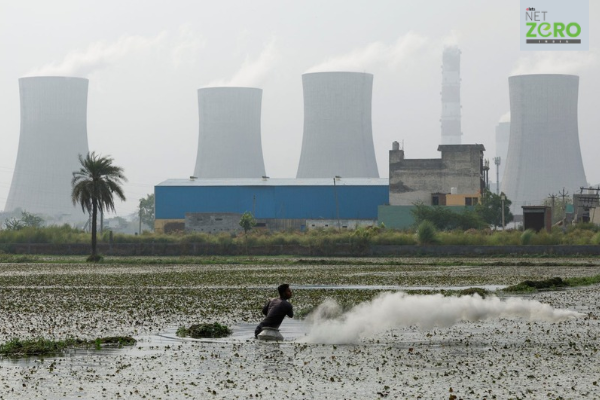
India is the world’s second-largest crude steel producer after China and relies heavily on imported coking coal for conventional steelmaking. Unlike thermal coal, which is primarily used for power generation, coking coal is used in blast furnaces to produce steel.
Jain said India imports around 90% of its coking coal requirements, with Australia accounting for approximately 45% of supplies.
If American coking coal becomes more competitive under the trade agreement, it could improve the economics of conventional blast furnace-based steel production.
This could influence investment decisions at a time when India is planning to increase steel capacity. New conventional steel plants may continue operating for decades, making it difficult to reduce emissions once the infrastructure is established.
Jain estimates that a conventional steel plant takes about six years to build and can operate for 40 to 45 years. Investment decisions taken now could therefore shape India’s industrial emissions and energy requirements well into the future.
Trade Deal Could Support Clean Energy Investment
The agreement could also create opportunities for US companies to participate in India’s expanding clean energy market.
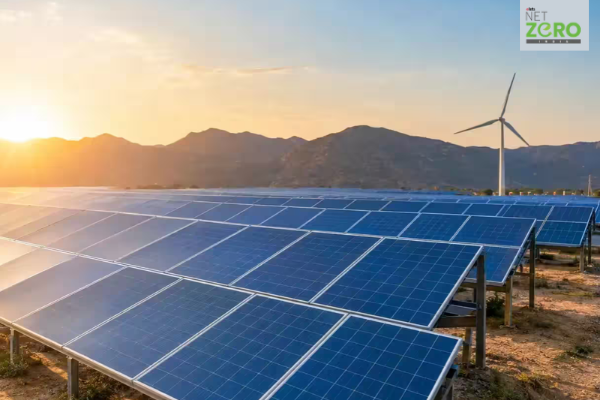
India has developed a significant solar manufacturing base, with solar module manufacturing capacity reaching around 233 GW by June 2026, according to IEEFA.
Indian manufacturers are seeking to expand exports, while US buyers are looking to diversify their supply chains and reduce dependence on Chinese suppliers.
Konda said nearly 97% of India’s solar module exports went to the US before tariff uncertainty disrupted trade. Greater clarity on tariffs could help restore confidence and encourage investment and trade between the two countries.
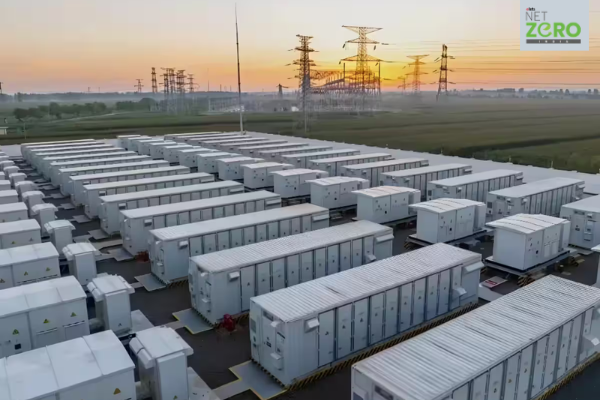
Battery storage is another area where cooperation could support India’s energy transition.
With solar capacity increasing, India needs storage systems to make electricity generated during the day available during evening demand peaks.
Jain said India would require at least 50-52 GW of battery storage capacity by 2030. US expertise in battery operations, project financing and electricity market design could help accelerate deployment.
Lower tariffs on equipment could also reduce project costs and improve the viability of storage investments.
Industrial Electrification Offers Another Opportunity
The potential for clean energy cooperation extends beyond electricity generation to industrial heat, which is used in processes such as steam production, kiln operations and drying.
Jain cited an April report that found manufacturing accounts for 48% of India’s natural gas consumption and 17% of its oil use.
India imports nearly half of its natural gas requirements and close to 90% of its crude oil needs, leaving industrial operations exposed to international energy prices and supply disruptions.
Replacing fossil fuel-based industrial heat with electricity generated from domestic renewable sources could reduce this dependence.
Jain said thermal batteries, which store electricity as heat, could help factories use solar power generated during the day for industrial heating after sunset.
Such technologies could provide an alternative to imported fuels while supporting the wider electrification of manufacturing.
Renewable Energy Growth Expected To Continue
Experts said the trade agreement is unlikely to determine the overall direction of India’s energy transition, as renewable energy and storage are becoming increasingly competitive in terms of cost and deployment speed.
Jain said renewable energy and storage were gaining ground because of their economic advantages.
However, she said the transition must also account for workers and communities dependent on coal mining and other fossil fuel industries.
Investment agreements should include paid training, opportunities for local suppliers and measures to ensure that new jobs are secure and accessible to workers in affected regions.
For India, the challenge will be to use the proposed trade agreement to attract technology, investment and manufacturing opportunities while protecting its long-term energy security and climate objectives.
The outcome, Jain said, should be technology partnerships and investment that benefit local communities, rather than arrangements that create lasting dependence on fossil fuels.

Be a part of Elets Collaborative Initiatives. Join Us for Upcoming Events and explore business opportunities. Like us on Facebook , connect with us on LinkedIn and follow us on Twitter, Instagram.
"Exciting news! Elets technomedia is now on WhatsApp Channels Subscribe today by clicking the link and stay updated with the latest insights!" Click here!