 News




News
India’s Energy Independence Boosted by Grid Storage and Critical Minerals: Insights from a Report
India’s Energy Independence Boosted by Grid Storage and Critical Minerals: Insights from a Report
![]() By
Samuel Raj 10-November-2026


India is poised to enhance its energy security and lessen its reliance on imported energy and essential minerals, driven by the government’s recent policy initiatives aimed at boosting grid-scale energy storage capacity and fostering local critical mineral processing, as highlighted in a report by ICICI Securities.
The report indicates that the Union Cabinet’s endorsement of a ₹14,500 crore viability gap funding (VGF) initiative for the development of 92 GWh of grid-scale energy storage capacity, along with a ₹2,800 crore capital expenditure support programme for critical mineral processing, represents a significant advancement in cultivating domestic expertise in these vital sectors.

In light of the ongoing energy crisis exacerbated by the West Asia conflict and the surrounding geopolitical uncertainties, the importance of these measures has become increasingly evident. They underscore the urgent need for India to bolster its energy and critical mineral supply chains.
The report expresses optimism, stating, “We view both initiatives as positive strides towards India’s goal of achieving self-reliance in energy and critical minerals.” However, it also warns that the effectiveness of these measures hinges on prompt implementation and the capacity to secure essential supplies of critical mineral ores and intermediates.

As part of the energy storage initiative, the government is set to facilitate the establishment of 92 GWh of grid-scale storage capacity that is yet to be commissioned, spanning a five-year period from FY2026-27 to FY2030-31. The projected investment for these projects is estimated at Rs 97,600 crore, with Rs 14,500 crore allocated as viability gap funding.
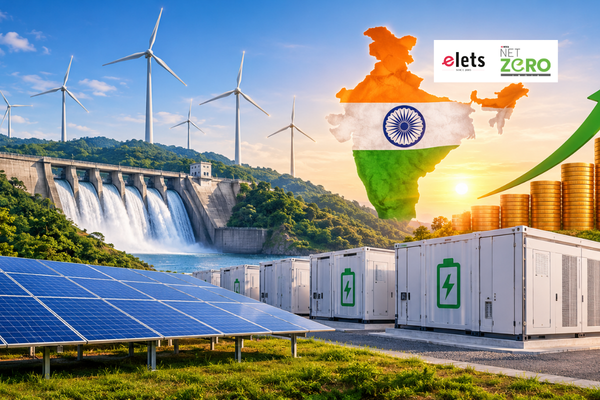
The envisioned capacity encompasses 60 GWh of hydro pumped storage initiatives, 30 GWh of battery energy storage systems (BESS), and 2 GWh dedicated to innovative and emerging storage technologies.
This proposed enhancement represents approximately 170% of India’s current energy storage capability and aims to fulfil the anticipated demand of 411 GWh by the fiscal year 2031-32.
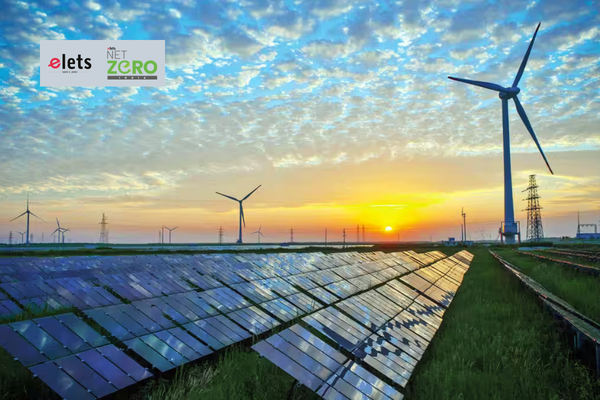
The report highlights that this initiative could significantly boost the integration of renewable energy sources, enhance grid reliability, and ensure a consistent and affordable power supply around the clock. Additionally, a stipulated minimum domestic content requirement of 40% for battery storage projects is expected to stimulate local manufacturing efforts.
In the realm of critical minerals, the ambitious Rs 2,800 crore capital expenditure support initiative is designed to foster the establishment of domestic processing facilities for lithium and nickel, while also anticipating the recovery of cobalt as a valuable by-product of nickel production.
This initiative outlines the creation of four processing plants, comprising two lithium facilities, each with a minimum capacity of 30,000 tonnes, and two nickel facilities, each with a minimum capacity of 50,000 tonnes. Investments that qualify will benefit from a capital subsidy of 30%, with financial support capped at Rs 500 crore for each lithium beneficiary and Rs 900 crore for each nickel beneficiary.
According to ICICI Securities, this initiative is geared towards enhancing domestic value addition, decreasing reliance on imports, and constructing robust supply chains for electric mobility, battery energy storage systems, electronics, defence, and speciality steel.
Emphasising the essential requirements for energy transition, the report revealed that India’s total final energy consumption reached 25,480 petajoules in FY25, with oil products making up 40% and natural gas contributing 9%. The remaining share was accounted for by coal and electricity.
Additionally, the report underscored the increasing significance of electricity in India’s energy landscape, with total electricity consumption soaring to around 16.23 lakh GWh in FY2024-25. This consumption exhibited a compound annual growth rate of 6% from FY2015-16 to FY2024-25.
In light of this, the recent policy measures are anticipated to facilitate India’s shift towards a more varied energy mix while bolstering domestic capabilities in the processing of critical minerals.
Nonetheless, the brokerage highlighted that effectively executing these initiatives, especially the prompt launch of storage projects and ensuring a steady flow of essential mineral ores and intermediates, will be vital for converting policy backing into real capacity development and lessening reliance on imports.

Be a part of Elets Collaborative Initiatives. Join Us for Upcoming Events and explore business opportunities. Like us on Facebook , connect with us on LinkedIn and follow us on Twitter, Instagram.
"Exciting news! Elets technomedia is now on WhatsApp Channels Subscribe today by clicking the link and stay updated with the latest insights!" Click here!