 News




News
India’s Energy Storage Initiative Aims for a $10 Billion Investment
India’s Energy Storage Initiative Aims for a $10 Billion Investment
![]() By
Samuel Raj 10-November-2026


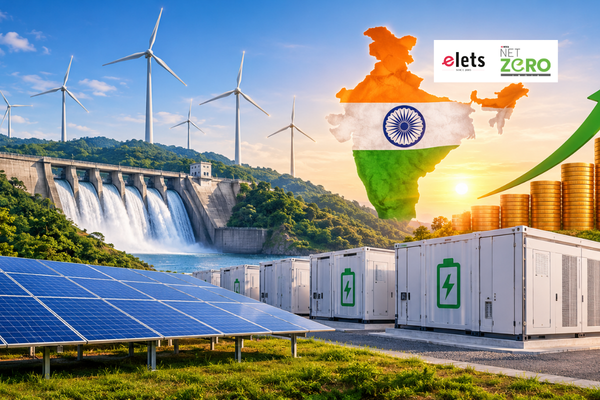
India has launched a groundbreaking $1.5 billion energy storage initiative, targeting the development of an impressive 92 GWh of grid-scale storage capacity from 2026-27 to 2030-31. The government is optimistic about attracting approximately $10 billion in investments, which will bolster energy security and enhance the integration of renewable energy sources.
This ambitious energy storage programme is poised to draw in around $10 billion in investments over the next five years, as India ramps up its commitment to fortifying energy security and seamlessly incorporating renewable power into its electricity grid. As reported by Khaleej Times, the government has greenlit a $1.5 billion plan to establish 92 gigawatt-hours (GWh) of grid-scale energy storage capacity during the specified period.

The initiative will encompass 60 GWh dedicated to pumped hydro storage, 30 GWh for battery storage, and 2 GWh allocated for emerging technologies. In announcing the Cabinet’s approval, Prime Minister Narendra Modi emphasised that this Rs 14,500 crore initiative will enhance power reliability, facilitate the integration of renewable energy, and significantly strengthen the nation’s energy security.
The planned capacity represents about 170% of India’s current grid-scale energy storage capabilities. This initiative is timely, as India grapples with increasing electricity needs and aims to lessen its exposure to global energy shocks. The nation has set an ambitious goal of reaching 500 GW of electricity capacity from non-fossil fuel sources by 2030, alongside a commitment to achieving net-zero emissions by 2070.

Energy Storage: A Key Player in Renewable Power Growth
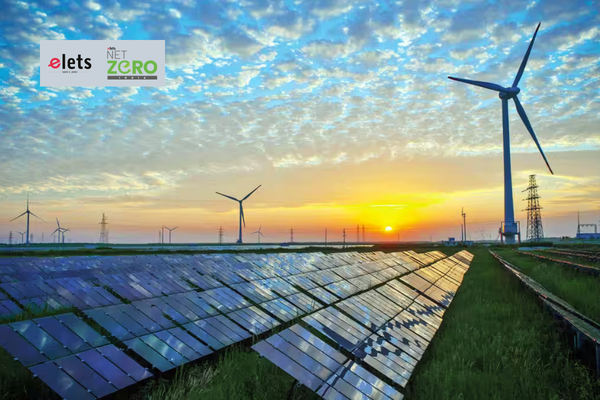
As solar and other renewable energy sources continue to surge, energy storage emerges as an essential component for ensuring a dependable electricity supply. Solar energy peaks during the day, yet electricity demand often spikes in the evening when solar production wanes.
Grid-scale storage solutions can effectively close this gap by capturing excess renewable energy for later use. They also minimise the waste of renewable resources and reduce reliance on coal-fired power plants.
According to a report by Khaleej Times, the Indian government anticipates a need for approximately 411 GWh of grid-scale energy storage by 2031-32. This projection includes 236 GWh from battery storage and 175 GWh from pumped hydro storage. The new initiative is expected to play a significant role in fulfilling this demand.
Domestic Production and Essential Minerals
This initiative seeks to boost local production of battery energy storage systems, lessen reliance on imports, and enhance long-term energy security. Projects for battery storage that receive support through this programme must achieve at least a 40% threshold of domestic content.
In addition, the government has sanctioned a $300 million initiative to set up four domestic processing facilities for lithium and nickel. These essential minerals are crucial components for batteries, energy storage solutions, and electronic devices. Collectively, these actions aim to fortify India’s domestic energy storage supply chain and advance its renewable energy goals.
India’s energy storage initiative marks a significant advancement in developing the infrastructure necessary for large-scale integration of renewable energy. With a target capacity of 92 GWh and an anticipated investment of $10 billion, this initiative has the potential to attract private investment, enhance local manufacturing, and bolster the reliability of India’s power grid.

Be a part of Elets Collaborative Initiatives. Join Us for Upcoming Events and explore business opportunities. Like us on Facebook , connect with us on LinkedIn and follow us on Twitter, Instagram.
"Exciting news! Elets technomedia is now on WhatsApp Channels Subscribe today by clicking the link and stay updated with the latest insights!" Click here!