 News





News
Renewable energy surpasses coal in capacity, yet coal remains the primary source of new power this summer: CREA
Renewable energy surpasses coal in capacity, yet coal remains the primary source of new power this summer: CREA
![]() By
Samuel Raj 12-November-2026



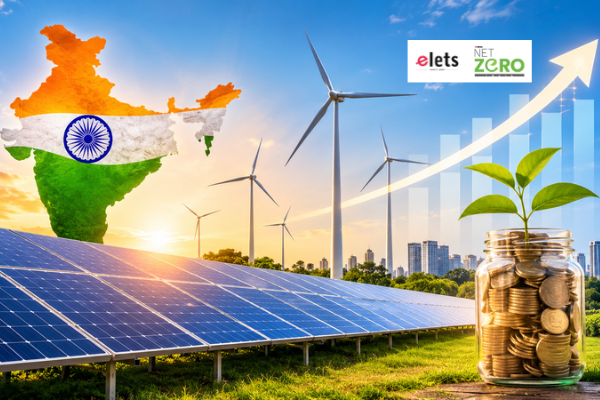
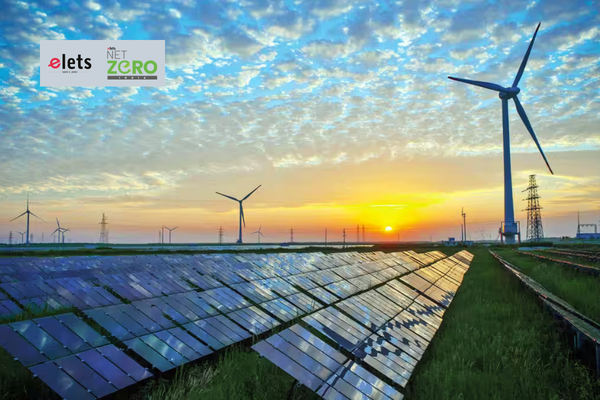
India’s renewable energy capacity has surpassed that of coal for the first time in several years. However, coal-fired power plants still provided nearly three-quarters of the additional electricity consumed by the nation this summer, as reported by the think tank Centre for Research on Energy and Clean Air.
As of August, renewable sources, excluding large hydro, achieved a capacity of 243 gigawatts (GW), accounting for 44% of the total installed capacity, compared to 231 GW (42%) for coal and lignite. This data comes from CREA’s India Energy Snapshot for the July-September quarter. In the same period last year, renewables represented 39%, while coal made up 45%.

In terms of electricity generation, the dynamics tell a different story. Coal and lignite generated a staggering 351 billion units (BU), constituting approximately 66% of the overall output, while renewables contributed 101 BU, or 19%. Notably, coal was responsible for 73% of the year-on-year growth in production, with solar and wind accounting for 27% and 19%, respectively. A decline in hydropower further diminished the total by 27% points.
Overall electricity generation surged by 11% compared to the previous year, reaching 536 BU, marking the fastest growth rate in six years of second-quarter data tracked by CREA. On July 16, peak demand soared to 270 GW, an 18% increase from 230 GW a year prior.

Large hydro generation experienced a significant drop of 20%, and its plant load factor—a metric indicating the intensity of capacity usage—fell to 50% from 61%. Meanwhile, solar’s utilisation factor averaged 18.3%, slightly trailing last year’s figures. Coal plants operated at 68% capacity, an improvement from 62%.
Renewables achieved remarkable milestones. For the first time, output excluding large hydro exceeded 100 billion units (BU), and solar energy reached an impressive daily peak of 705 million units on September 30. Solar generation surged by 39%, while wind and nuclear power increased by 29% and 26%, respectively. The total non-fossil generation, which includes hydro and nuclear, hit a record high of 177 BU.
This accounts for approximately one-third of the overall output, despite non-fossil sources representing around 55% of the total installed capacity.
The dependence on coal has proven costly. From June to September, power plants utilised approximately 79 million tonnes monthly, yet, according to CREA, “coal supply did not keep pace with this high level of consumption.”
Deliveries to power plants decreased from 74 million tonnes in May to 66 million in August. By September 30, stockpiles dwindled to 21 million tonnes, representing only 36% of the normative requirement of 58 million tonnes. As of October 1, 85 plants reported holding less than 25% of their necessary stocks, a significant rise from 32 on August 22, underscoring “growing pressure on the coal supply chain”, as noted by CREA.
India’s total installed capacity reached 555 GW in August, marking a 12% increase year-on-year. The share of coal has consistently declined from 56% in 2019, while solar energy has surged to 168 GW, accounting for 30% of the overall capacity.
Renewable energy sources like solar and wind generate significantly less power per installed gigawatt compared to coal, primarily because they only produce electricity when conditions are favourable—when the sun is shining or the wind is blowing. This variability explains the discrepancy between capacity share and actual generation share.
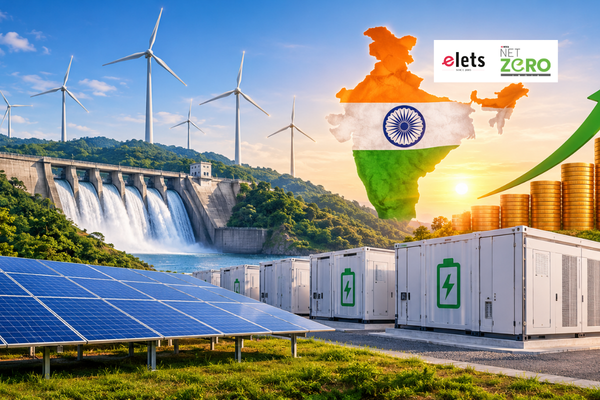
According to CREA, there was a notable decline in daily peak demand during solar hours on 62 out of the 92 days in the quarter, indicating a positive trend for solar energy. However, coal still predominantly meets the evening peak demand. Battery storage capabilities increased to 5.5 GW during nighttime peaks, up from 4.1 GW in the previous quarter, yet this only satisfies about 1-2% of the national energy demand. Currently, there are approximately 9.1 gigawatt-hours of battery capacity available.
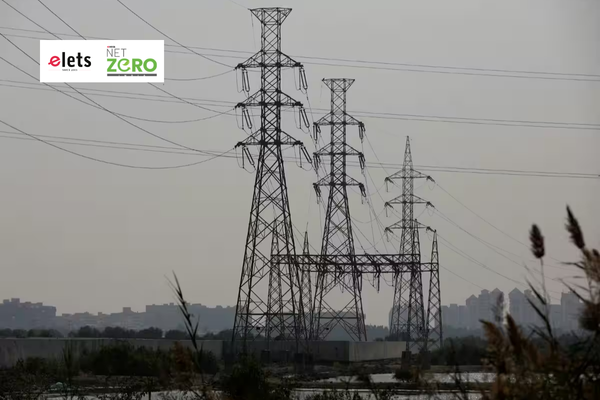
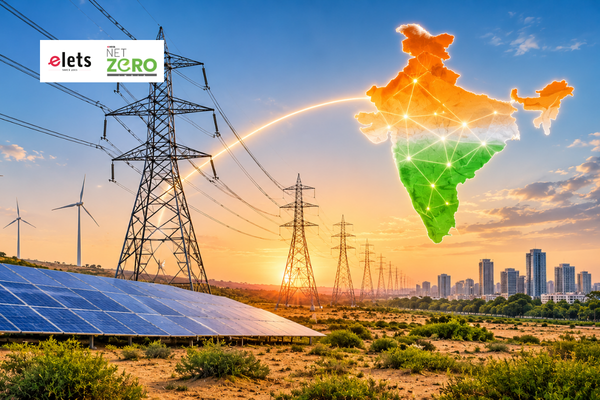
Moreover, grid limitations have restricted the amount of renewable energy that can be delivered to consumers. CREA reported that around 1,835 million units of solar and wind energy were curtailed in just July and August.

Be a part of Elets Collaborative Initiatives. Join Us for Upcoming Events and explore business opportunities. Like us on Facebook , connect with us on LinkedIn and follow us on Twitter, Instagram.
"Exciting news! Elets technomedia is now on WhatsApp Channels Subscribe today by clicking the link and stay updated with the latest insights!" Click here!