 News





News
India’s fossil fuel imports could drop by 40% by 2035 with green energy, a new report says
India’s fossil fuel imports could drop by 40% by 2035 with green energy, a new report says
![]() By
Samuel Raj 17-November-2026


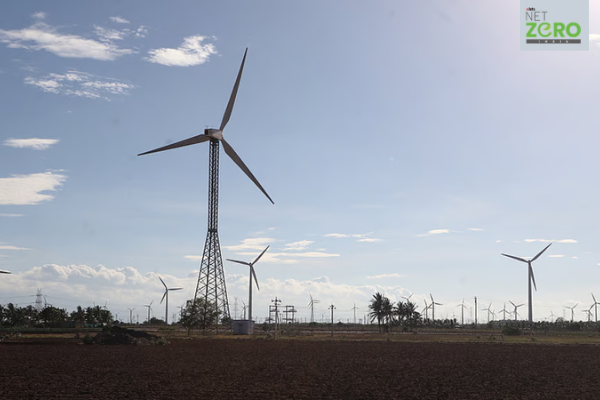
India stands to slash its yearly fossil fuel import expenses by over 40% by 2035 if it speeds up the shift from fossil fuels to electricity, green hydrogen, and bioenergy, as highlighted in a recent report from Climate Compatible Futures, a firm focused on climate and energy research.
The report suggests that by following an accelerated electrification route, India’s import costs for crude oil, natural gas, and coal could drop to Rs 7.4 lakh crore by 2035.

Conversely, if the current trajectory persists, these costs are expected to soar to Rs 17 lakh crore. This transition could lead to annual savings of Rs 9.6 lakh crore by 2035. By 2045, direct fossil fuel imports might be eliminated entirely, in stark contrast to a projected annual bill of Rs 23.3 lakh crore under normal circumstances.
The findings reveal that electrification has become an imminent reality for India. Indian Railways has successfully electrified an impressive 99.6% of its broad-gauge network. Furthermore, electric vehicles accounted for 13.11% of vehicle sales in September 2026, marking a remarkable 84% increase compared to the previous year. Currently, non-fossil energy sources represent over half of the total installed power capacity.

Consequently, even in a business-as-usual scenario, the proportion of electricity in India’s energy demand is projected to grow from 29% today to approximately 32% by 2035. This shift brings India closer to the global electrification benchmarks being discussed, all without necessitating new policy measures.
Should the existing trajectory persist, electricity’s share of overall energy consumption is anticipated to reach only 33% by 2045. In the meantime, total energy demand is expected to more than double, with fossil fuel imports likely to surge by 75%. The annual expenditure on these imports could nearly double as well, escalating from Rs 12.5 lakh crore to Rs 23.3 lakh crore, assuming prices remain stable at 2025 levels.
“India is already on the path to electrification, and there’s no need for persuasion,” stated Dr Manish Ram, Director of Climate Compatible Futures.
“The crucial issue is whether the pace of electrification can be accelerated enough to lessen dependency on imports. Currently, as the share of electricity rises, the costs associated with fossil fuel imports keep climbing. The scenario of rapid electrification is where we start to see a reduction in these expenses,” he explained.

Be a part of Elets Collaborative Initiatives. Join Us for Upcoming Events and explore business opportunities. Like us on Facebook , connect with us on LinkedIn and follow us on Twitter, Instagram.
"Exciting news! Elets technomedia is now on WhatsApp Channels Subscribe today by clicking the link and stay updated with the latest insights!" Click here!