 News




News
China Seeks to Expand Global South Partnerships Through Clean Energy and Energy Security
China Seeks to Expand Global South Partnerships Through Clean Energy and Energy Security
![]() By
Samuel Raj 27-November-2026


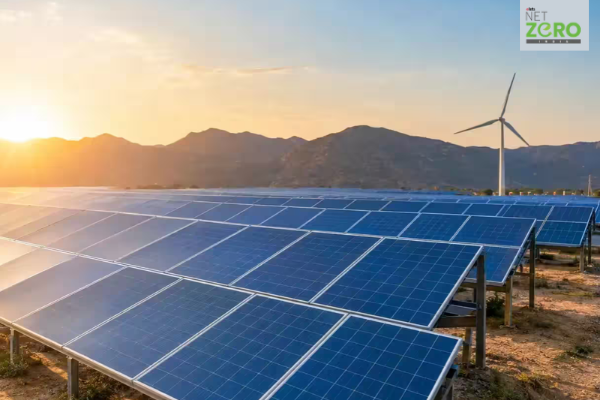
China is seeking to deepen its engagement with developing countries by combining clean energy technology with investments aimed at improving energy security and supporting economic growth.
The message emerged at a Belt and Road energy meeting in Qingdao on Thursday, attended by ministers and officials from several countries participating in China’s infrastructure and investment initiative.

Wang Hongzhi, head of China’s National Energy Administration, said Beijing was ready to support other countries in their energy transitions without prescribing a common approach. He said national policies should reflect differences in natural resources, economic conditions and stages of development.
Wang said countries needed to work together amid uncertainty in global energy markets, adding that China would support transition strategies suited to individual national circumstances.

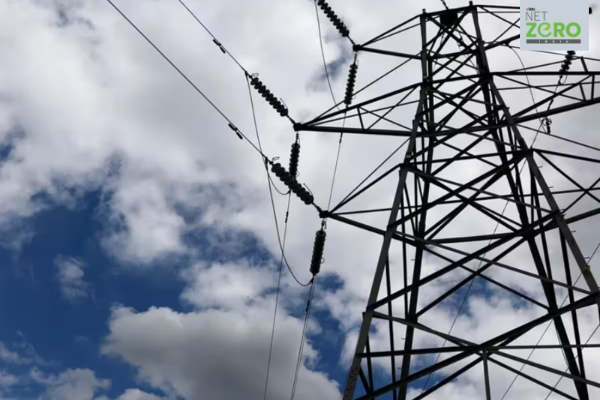
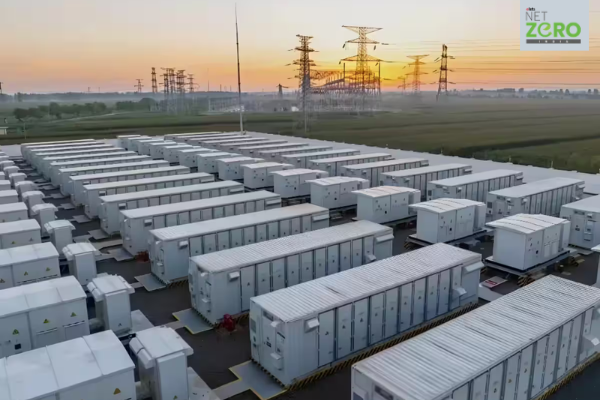
Energy has been a central part of President Xi Jinping’s Belt and Road Initiative since its launch in 2013. While the programme initially focused on projects such as pipelines, power plants and transmission networks, its investments have increasingly included solar, wind, battery storage and electricity grids.
However, China has continued to support fossil fuel development alongside its clean energy push. Wang said the shift towards low-carbon energy was irreversible, while also announcing plans to increase oil and gas exploration and diversify imports over the next five years.
The approach reflects China’s position that countries should pursue cleaner energy while maintaining reliable supplies and supporting economic development.
Energy Security and Development Take Centre Stage
The Qingdao meeting took place after the breakdown of COP31 climate negotiations in Turkey, highlighting challenges in international cooperation on climate and energy.
Participants emphasised the need to continue the energy transition while addressing concerns over affordability, supply security and development.
Adnan Amin, chair of the World Energy Council, said energy crises should not lead countries to suspend the transition but should prompt adjustments to maintain progress.
Developing countries also called for greater access to technology, support for domestic manufacturing and investment in workforce training. They said energy partnerships should contribute to industrial development rather than focus solely on infrastructure construction.
Kgosientsho Ramokgopa, South Africa’s minister of electricity and energy, said the transition should serve as a means of building domestic industries.
Reliable electricity remained a priority for several countries seeking Chinese investment. South Sudan, where only 8% of the population has access to electricity, highlighted its untapped energy resources as an opportunity for international investors.
Petroleum Minister Awow Daniel Chuang invited Chinese companies, including PowerChina, China Energy and Huawei, to invest in dams, solar farms, wind projects and geothermal energy in the country.
Most participants avoided political issues in their addresses. However, Iranian Energy Minister Abbas Ali Abadi criticised the United States and Israel over attacks on civilian and energy infrastructure and called for international condemnation.
He said electricity was essential to daily life, healthcare, education and human security, and should not be treated merely as a commercial commodity.

Be a part of Elets Collaborative Initiatives. Join Us for Upcoming Events and explore business opportunities. Like us on Facebook , connect with us on LinkedIn and follow us on Twitter, Instagram.
"Exciting news! Elets technomedia is now on WhatsApp Channels Subscribe today by clicking the link and stay updated with the latest insights!" Click here!