 News
News




News
PM Modi Announces Opening of India’s Nuclear Sector to Private Players
PM Modi Announces Opening of India’s Nuclear Sector to Private Players
![]() By
Kavya Verma 28-November-2025
By
Kavya Verma 28-November-2025


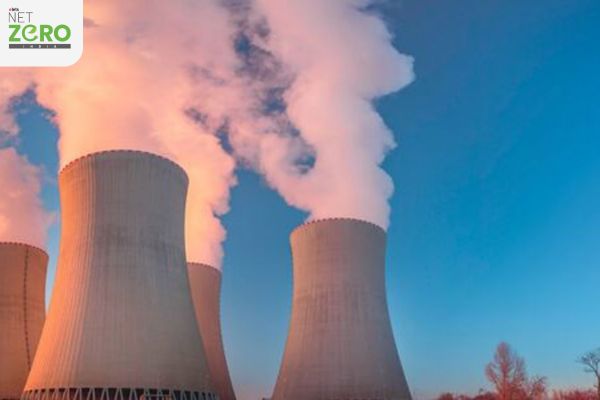
Prime Minister Narendra Modi has announced that India will open its civil nuclear energy sector to private companies. This historic policy shift will end the long-standing state monopoly in atomic power. The announcement was made during the inauguration of Skyroot Aerospace’s Infinity Campus in Hyderabad on November 27, 2025.
According to the Prime Minister, the move will allow private participation across the full value chain of nuclear power, including the development and operation of nuclear plants, advanced reactor technology, and next-generation systems such as small modular reactors (SMRs). He emphasised that this reform aims to spur innovation, enhance technological capabilities, and strengthen India’s long-term energy security.

India’s current installed nuclear power capacity is approximately 8.8 GW. With private-sector inclusion, the government is targeting a significant scale-up, with a vision of reaching 100 GW of nuclear capacity by 2047. The expansion is considered crucial to meeting the country’s rising electricity demand, especially for round-the-clock clean power, as India accelerates industrial growth and renewable energy adoption.
Also Read: Maharashtra Becomes First State to Join Centre’s Nuclear Power Initiative

To operationalise private participation, the government is expected to introduce major legislative amendments under the upcoming Atomic Energy Bill, 2025. These changes are likely to revise key provisions of the Atomic Energy Act, 1962 and the Civil Liability for Nuclear Damage Act, 2010, which currently restrict nuclear energy production to government-owned entities. The proposed framework aims to create a transparent and investment-friendly regulatory ecosystem.
Officials believe that the reform will encourage faster deployment of advanced nuclear reactors, reduce project timelines, and bring global best practices in safety and execution. Industry experts also note that it will diversify India’s clean energy portfolio, reduce dependence on fossil fuels, and support the nation’s climate commitment milestones.
During his address in Hyderabad, the Prime Minister drew parallels with the space sector, highlighting how opening it to private players led to rapid innovation and global recognition. He expressed confidence that a similar transformation could take place in the nuclear power sector, making India a major hub for nuclear innovation and technology in the coming decades.

Be a part of Elets Collaborative Initiatives. Join Us for Upcoming Events and explore business opportunities. Like us on Facebook , connect with us on LinkedIn and follow us on Twitter, Instagram.
"Exciting news! Elets technomedia is now on WhatsApp Channels Subscribe today by clicking the link and stay updated with the latest insights!" Click here!